Technology
How Amsterdam’s Broadband Backbone Fuels a Unique Global Tech Ecosystem
From gigabit speeds in De Pijp to pioneering citywide initiatives, Amsterdam stands out for connectivity that powers innovation.
How we reported this
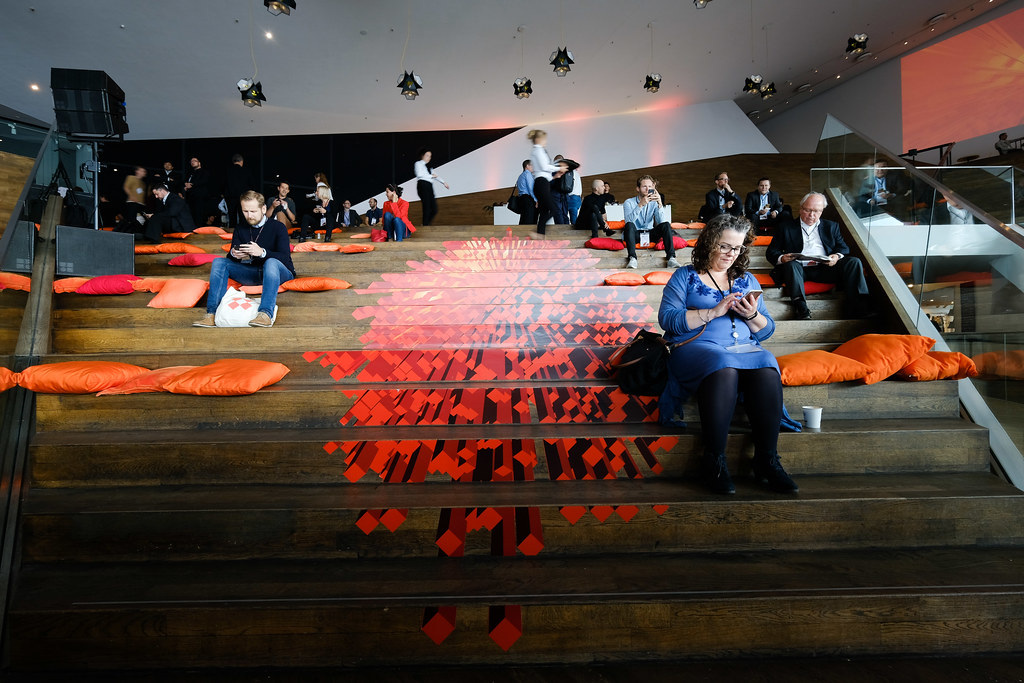
Amsterdam continues to cement its reputation as a global tech hub, supported by an extensive broadband infrastructure that offers one of the fastest and most reliable internet ecosystems in Europe. The city’s tech sector thrives on connectivity solutions that combine public investment and private innovation, distinguishing Amsterdam on the world stage.
With rising demands for remote work, cloud computing, and data-intensive applications, broadband connectivity has become central to the Netherlands’ tech ambitions. Amsterdam, housing over 3,000 ICT companies and startups, is recognized not only for its talent pool but also for its robust digital infrastructure. Improved digital access is integral to maintaining the city’s competitiveness amid growing pressure from other top-tier European tech destinations such as Berlin and Stockholm.
City-wide Networks and Innovation Hubs
Amsterdam’s commitment to connectivity is exemplified by projects like the Amsterdam Internet Exchange (AMS-IX), situated in the Science Park along the Science Parkweg. AMS-IX is a cornerstone in global internet traffic management, handling over 13 terabits per second during peak hours in 2025, making it one of the largest internet exchanges worldwide. This hub dramatically reduces latency for local startups and multinational firms alike.
Meanwhile, the publicly funded Glasvezelnet Amsterdam Noord initiative has rolled out fiber-optic broadband across the Noord neighbourhood, including the NDSM Wharf area, enabling businesses and residents access to symmetrical gigabit connections for under €40 per month. This affordability combined with high-speed capacity fosters an ecosystem where artificial intelligence startups, digital media firms, and fintech enterprises flourish.
Data Backing Amsterdam’s Digital Edge
According to 2025 figures from the Amsterdam Economic Board, over 92% of the city’s homes and businesses now have access to fiber-optic broadband, compared to the national average of 75%. Additionally, the average broadband speed in Amsterdam hits 1,200 Mbps, approximately triple the European Union average of 400 Mbps. This infrastructure robustness supports the city’s 27,000 ICT professionals and an increasing number of data centers, notably SkyPort Amsterdam near Schiphol, which houses major cloud providers.
Further pushing the tech ecosystem’s distinctiveness is Amsterdam’s focus on sustainable connectivity solutions. Investments in energy-efficient network technologies and integration of smart city data platforms position the city as a leader in combining green technology with high-performance digital resources.
Looking ahead, Amsterdam’s regional government plans to expand the fiber network to peripheral boroughs like Sloterdijk and Zuidoost by 2028, aiming to achieve 98% fiber coverage. For startups and established tech companies seeking a competitive edge, leasing office space in tech clusters such as the Zuidas financial district, which benefits from direct access to high-capacity broadband, remains a strategic priority.
For entrepreneurs and remote workers eyeing Amsterdam, affordable fiber-optic subscription packages starting at €35 a month and city initiatives supporting digital inclusivity provide fertile ground to build and scale. Keeping connected in Amsterdam means tapping into an ecosystem that is not only technically advanced but also strongly supported by both public and private sectors dedicated to future-proof digital development.