Technology
Amsterdam Residents Master Digital Skills, Transform Daily Life
From learning new skills at local hubs to smart home tech, digital literacy is reshaping how Amsterdammers live and work.
How we reported this
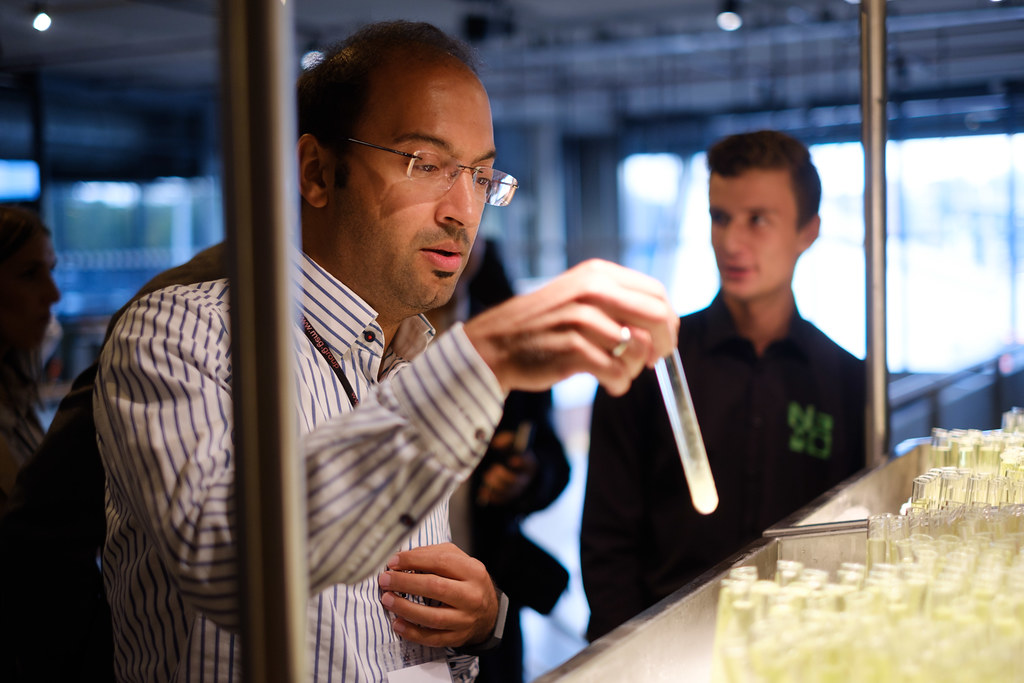
With Amsterdam expanding its digital literacy initiatives, residents are increasingly integrating new technology into their everyday routines, from managing household energy use to navigating online government services. Recent city data highlights a 28% rise in participation at digital skills workshops within six months, underscoring a swift transformation in how locals interact with technology.
The momentum behind Amsterdam’s drive for enhanced digital literacy comes amid rising dependence on digital tools in daily life. With government services shifting online, and smart tech becoming more affordable and accessible, basic digital skills are no longer optional but essential for full participation in society. This shift is especially urgent given the city’s diverse population-where older adults and low-income households have traditionally faced digital exclusion.
Local Hubs Leading the Digital Shift
In Amsterdam’s Nieuw-West district, the BuurtLab on Osdorpplein serves as a vital space where residents can attend free digital literacy classes focused on practical skills like navigating the DigiD platform or managing online finances. The initiative, launched in partnership with the municipality, has reported over 1,200 attendees since January 2026, including many seniors and immigrants learning Dutch digital services for the first time.
Meanwhile, the De Hallen Amsterdam community center located at Hannie Dankbaarpassage in Oud-West incorporates digital learning with creative workshops, where participants experiment with coding and smart device setups. This local resource helps demystify technology by linking it to residents' passions, like music and media, further embedding digital know-how in daily life.
Digital Skills Impact and What Comes Next
According to the latest city report, roughly 65% of Amsterdam households now own at least one smart home device-with prices steadily dropping since 2024, when a basic smart speaker could cost upwards of €100. Today, beginner models are available for under €40, making these technology opportunities accessible even in working-class neighborhoods like Bijlmer. Equally significant, digital services usage among residents aged 60 and above has jumped by 15% over the past year, demonstrating a narrowing digital divide.
Looking ahead, the Amsterdam municipality plans to expand funding for neighborhood digital hubs and promote partnerships with local libraries, such as Openbare Bibliotheek Amsterdam branches throughout the city, to provide ongoing support for individual learners. For residents seeking to level up their digital skills, signing up for free municipal workshops or visiting community centers offering personalized guidance can be the first step toward greater independence and opportunity. As the technology landscape continues to evolve, Amsterdam is poised to ensure that its citizens are not just passive users, but active participants in the city’s digital future.