Technology
Why Amsterdam's Green Tech Ecosystem Stands Apart in a Global Race for Climate Solutions
Combining centuries of water management expertise with cutting-edge venture capital and policy innovation, the Dutch capital has become an unexpected powerhouse in sustainable technology.
How we reported this
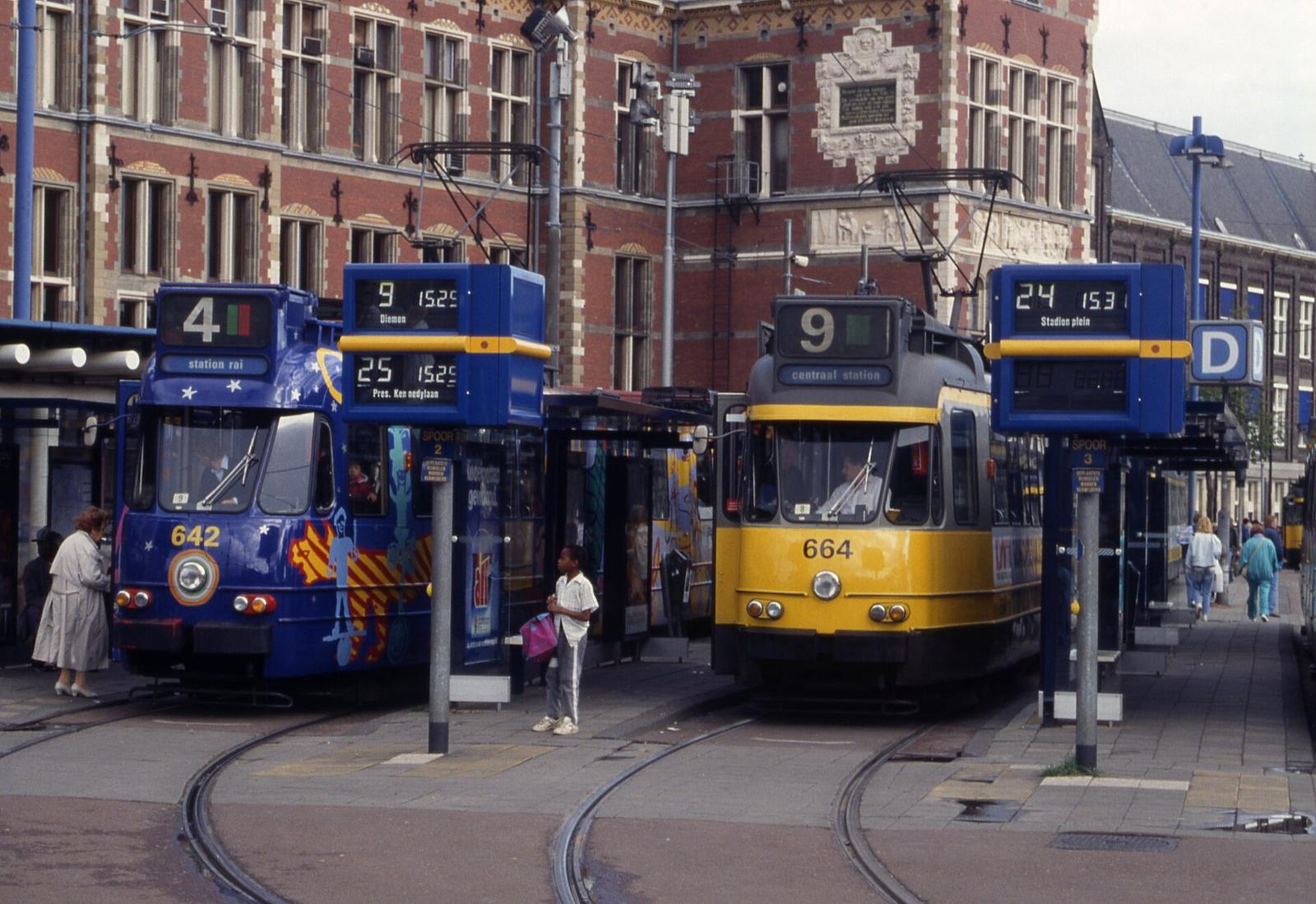
Amsterdam's approach to clean energy and green technology differs fundamentally from silicon valleys elsewhere. Rather than chasing moonshot ventures in isolation, the city has woven sustainability into the fabric of its entire innovation network-creating something globally distinctive.
The numbers tell part of the story. Amsterdam hosts over 450 climate tech startups, according to recent ecosystem mapping. Compare that to Berlin's 380 or Stockholm's 220, and you see a city that has quietly become Europe's green tech capital. But statistics alone miss what makes this ecosystem work differently.
Walk through Amsterdam Noord, and you'll find companies like Lightyear and The North One Building occupying former shipyards, their headquarters literally built on Amsterdam's legacy of maritime engineering. That's not accidental. The city's 400-year history managing water, dikes, and complex infrastructure has created an institutional memory around systems thinking-something that translates directly into designing grid-scale renewable solutions rather than consumer gadgets.
The venture capital backing reflects this too. Firms like Norrsken VC and Sustainable Ventures have anchored themselves here rather than London or Frankfurt, attracted by Amsterdam's particular combination: serious engineering talent, access to European policy makers, and a population that votes with its wallet for sustainability. A Dutch household spends roughly 8 percent of income on utilities compared to the EU average of 6.5 percent-meaning Dutch consumers are viscerally aware of energy costs and eager for solutions.
The policy environment matters more than outsiders realize. Amsterdam's 2025 target to become Europe's first carbon-neutral major city isn't marketing-it's a binding municipal commitment that has created predictable demand for green infrastructure. Companies can build business models around known municipal procurement cycles rather than speculating on government interest.
Institutions like the Amsterdam Institute for Advanced Metropolitan Solutions (AMS), based near Centraal Station, explicitly connect academic research with commercial applications. This middleman role-translating laboratory work into market-ready technology-is precisely where many other cities fail.
The result is an ecosystem that emphasizes reliability and scale over disruption. You won't find many Amsterdam green tech startups promising to revolutionize everything. Instead, they're incrementally improving heat recovery systems, optimizing district heating networks, or refining soil carbon measurement. Unglamorous work. But globally, these are the technologies that will actually move the needle on emissions.
In 2026, when climate commitments increasingly demand implementation over rhetoric, that distinction matters enormously.