Technology
Amsterdam's Remote Work Boom: Coworking Spaces Transform Job Market Strategy
As coworking spaces proliferate across the city and hybrid work becomes the norm, navigating Amsterdam's fragmented workspace ecosystem requires strategy-and an understanding of where the real opportunities lie.
How we reported this
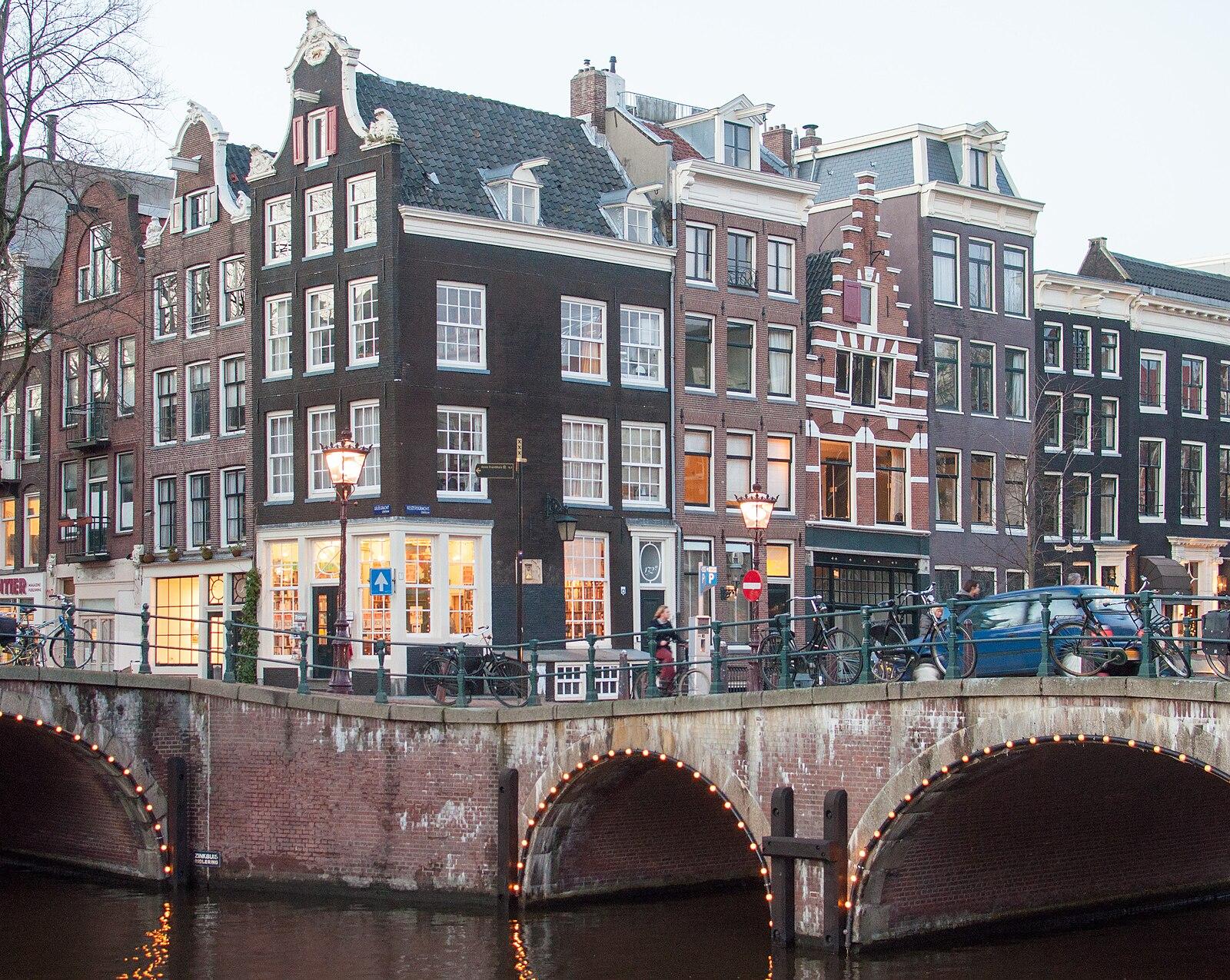
Amsterdam's workspace landscape has transformed dramatically over the past two years. Walk through De Pijp or around Centraal Station and you'll spot coworking operators on nearly every block-from established chains like Spaces and WeWork to boutique operators in converted warehouses along the Amstel. But for job seekers and remote professionals, this abundance masks a more complex reality worth understanding.
The numbers tell a revealing story. According to recent Dutch employment surveys, roughly 35% of Amsterdam's knowledge workers now operate in hybrid arrangements, up from just 12% in 2021. Yet salaries haven't kept pace with rising office costs. A desk at a premium coworking space in the Canal Ring runs €400-€600 monthly, while hot-desking in less central areas like Amsterdam Noord or Oost costs €150-€300. For freelancers and early-stage job seekers, this represents a genuine barrier to entry.
The competitive advantage increasingly goes to those who understand the ecosystem strategically. Professionals securing permanent roles at major tech firms-including the growing number of companies establishing European hubs in Amsterdam-typically gain subsidised workspace access. Independent consultants and startup founders are learning to leverage community-based spaces and emerging neighbourhood hubs in areas like Oud-West, where younger operators are undercutting central-city prices.
What's shifting most dramatically is employer expectations around presence. While full remote remains possible, job postings increasingly emphasise "collaborative culture" and "in-office days." For job seekers, this means calculable commute costs and workspace expenses should factor into salary negotiations. A €45,000 role requiring three days weekly at an office on Weteringschans carries different net value than a fully remote arrangement.
The institutional response is still catching up. Amsterdam's municipal government has begun exploring subsidies for workspace access in outer districts, recognizing that centralised coworking costs risk creating a two-tier job market. Simultaneously, neighbourhood initiatives in areas like De Baarsjes are experimenting with community-managed spaces, offering cheaper alternatives to commercial operators.
For professionals navigating this landscape, three strategic principles emerge: first, understand your real workspace costs before accepting roles; second, recognise that hybrid flexibility often correlates with lower total compensation; third, explore emerging neighbourhood alternatives before defaulting to premium central locations. The future of Amsterdam's workspace isn't being written by the major operators alone-it's being shaped by professionals making informed choices about where and how they work.