property
Amsterdam Property Renovations Drive Investor Returns Through Sustainable Upgrades
Sustainable upgrades and design choices are shaping how properties perform for investors in the city.
How we reported this
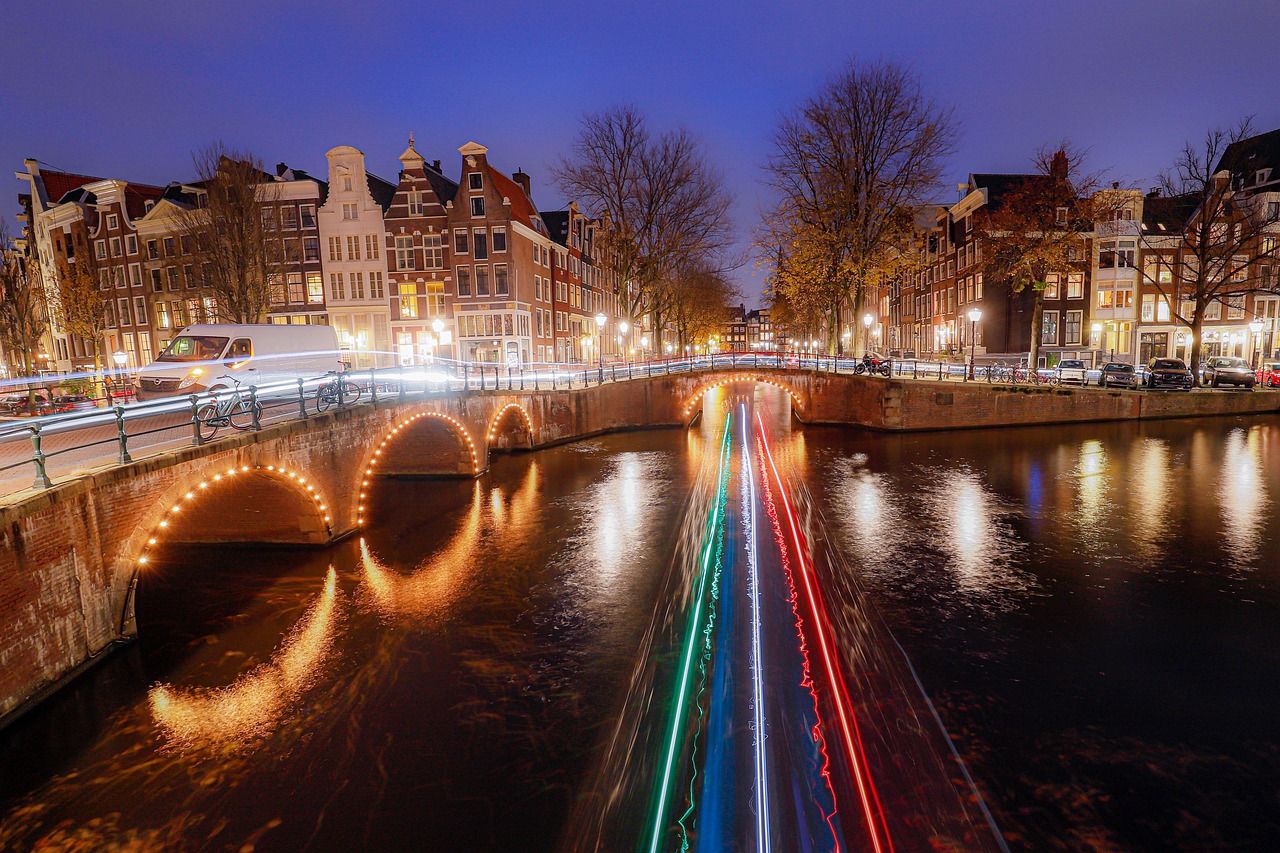
Sustainable renovation has become the norm in Amsterdam, with homeowners prioritizing energy-saving upgrades such as better insulation, solar panels, heat pumps and triple-glazed windows. These measures aim to reduce CO₂ emissions while supporting higher home value, a combination that directly informs investor thinking on long-term yields.
Energy Upgrades and Value Retention
Investors note that properties incorporating these upgrades tend to hold stronger appeal in a market where energy performance influences buyer decisions. The focus on insulation, solar panels, heat pumps and triple-glazed windows provides a clear path to lower operating costs and improved market positioning, even without precise yield figures available in current reporting.
Approvals and Project Constraints
Protected facades and canal-side properties require approval from Monumentenzorg for any material changes, profiles and sightlines. VvE co-op buildings add another layer, needing consent for structural interior work. These steps affect timelines and costs, requiring investors to factor regulatory reviews into return calculations from the outset.
Design Trends That Support Market Position
The dominant interior approach blends vintage-modern elements with rich teak woods, layered textiles and curated vintage finds that merge European heritage and modern simplicity. Premium work often includes custom-built furniture and bespoke cabinetry to make the most of compact spaces, paired with soft minimalism that uses open layouts, tactile fabrics and warm lighting. Such choices can enhance rental or resale desirability in a competitive setting.
Adaptive Reuse as an Investment Route
Projects that convert outdated offices, industrial silos and old flats into sustainable community spaces show how heritage buildings can gain new roles in workspaces and hospitality. This approach preserves existing structures while opening fresh functional uses, offering investors an alternative route to value creation through thoughtful adaptation rather than new builds.
Practical next steps involve consulting Monumentenzorg early on protected sites and reviewing VvE rules before committing to structural work. Investors can align choices with the established preference for energy upgrades and vintage-modern finishes to match current demand patterns in Amsterdam.
This article is general information only and is not personal financial or investment advice. Consider your own circumstances and seek licensed professional advice before making financial decisions.
References Sourced but Not Limited to:
- arcam.nl · The future is already built 17 amsterdam renovations that inspire europe
- tommysservice.nl · News 0 1768126697680
- tommysservice.nl · Premium renovations in amsterdam trends and inspiration for discerning...
- househomeco.com · Amsterdam inspired interior design how to bring vintage modern dutch...