property
Amsterdam Renters Buy Property Elsewhere as Canal Rents Soar Above €500K
With Canal Belt apartments averaging well above half a million euros, a growing number of Amsterdam renters are choosing to stay tenants in the city while buying investment property in cheaper Dutch markets.
How we reported this
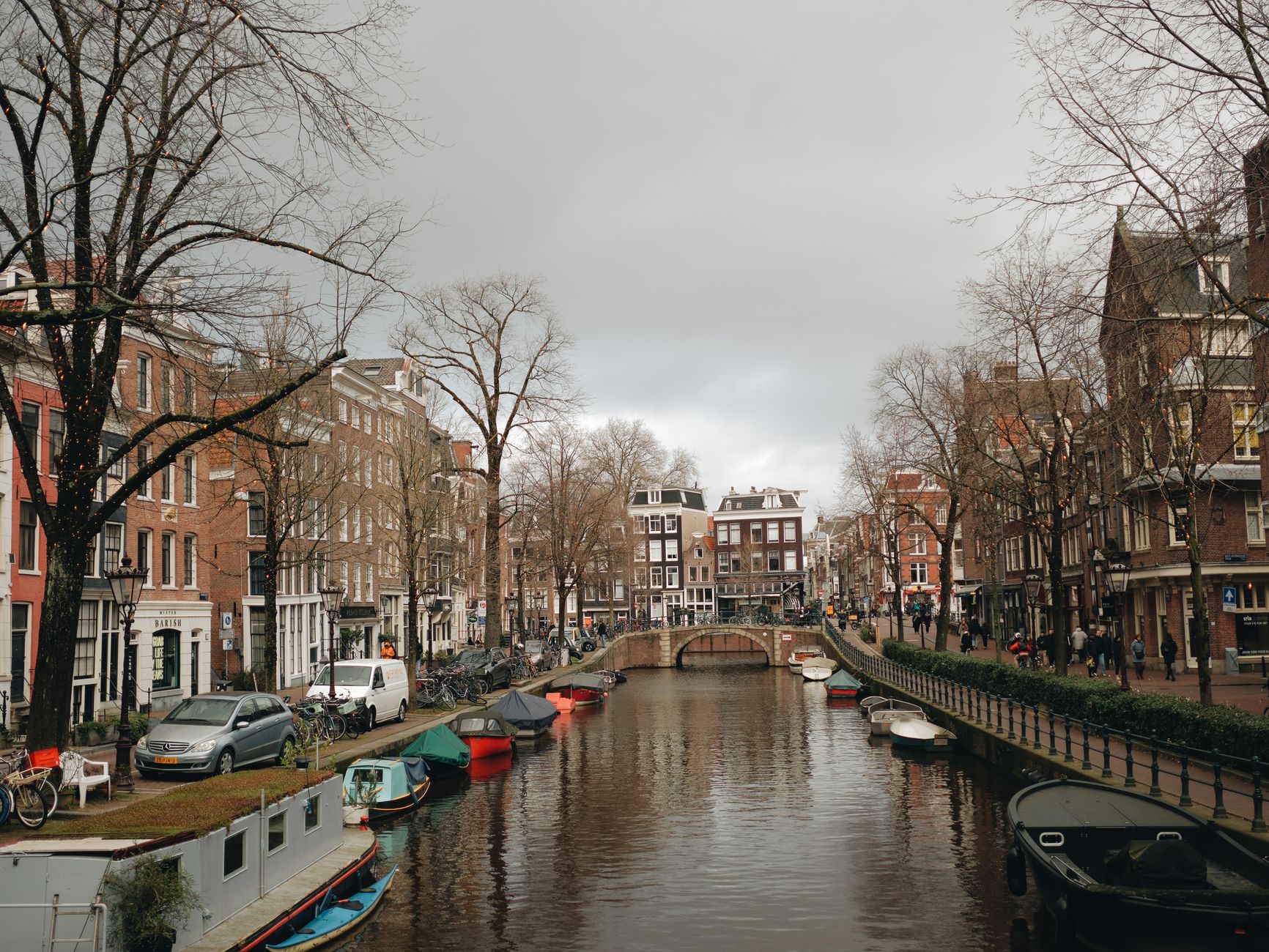
The numbers are blunt. The average asking price for a home in Amsterdam hit roughly €580,000 in mid-2026, pricing out most single-income buyers and a significant chunk of dual-income households who refuse to sacrifice location for ownership. A two-bedroom in the Jordaan routinely clears €650,000 at auction. In De Pijp, anything with a south-facing balcony and less than a 15-minute cycle to the Heineken Experience moves inside a week. For workers who want to live in those neighbourhoods and build equity at the same time, a strategy borrowed loosely from property markets in London and Berlin is gaining traction: rent-vesting.
The idea is straightforward. Instead of stretching a mortgage to breaking point to buy the apartment you actually want to live in, you rent that apartment, often at a price that undercuts the true cost of ownership, while using your saved deposit to buy a smaller, cheaper property somewhere else in the Netherlands. That second property earns rental income, builds equity, and sits on your balance sheet as an asset. You stay in Amsterdam. You stay in the Jordaan. You just don't own it.
Why the Amsterdam Market Makes Rent-Vesting Look Rational
The calculus only works if renting is genuinely cheaper than buying, and in Amsterdam's current market, for many households, it is. The Dutch central bank, De Nederlandsche Bank, has flagged repeatedly in its financial stability reports that residential property in the four major cities remains structurally overvalued relative to incomes. Meanwhile, the social housing body Woningcorporatie AFWC manages a waitlist for regulated rentals in Amsterdam that stretches, for many applicants, beyond a decade. That pushes middle-income residents into the private rental sector, where a two-bedroom in Oud-West or on the Haarlemmerdijk might rent for €2,200 to €2,600 per month, steep, but still typically below the monthly cost of servicing a €550,000 mortgage at current rates above 4 percent.
For a household with €90,000 to €110,000 in savings, enough for a 20 percent deposit in a cheaper market, cities such as Heerlen, Almelo, or Dordrecht offer buy-to-let entry points between €180,000 and €250,000. Gross rental yields in those markets can run to 6 or 7 percent annually, according to data published by the Dutch property research bureau ABF Research in its Socrates housing model updates. That income stream, reinvested or used to offset Amsterdam rent costs, is the engine of the strategy.
The friction points are real. The Dutch transfer tax, overdrachtsbelasting, sits at 10.4 percent for buy-to-let purchases as of 2023 rules that remained in place through 2026, adding tens of thousands of euros to acquisition costs upfront. Box 3 taxation, the Dutch wealth tax framework that taxes assumed returns on assets including investment property, underwent significant legal scrutiny after the landmark Hoge Raad ruling of December 2021, and the revised system that emerged still catches property investors. Anyone pursuing rent-vesting needs a belastingadviseur, a Dutch tax adviser, on speed dial before signing anything.
Making the Numbers Work Across Two Cities
The practical architecture of a rent-vesting plan in this market involves a few moving parts. Mortgage provider Obvion and several regional Rabobank branches have begun fielding enquiries specifically from Amsterdam renters seeking buy-to-let mortgages in secondary cities, a pattern that mortgage brokers at firms like Van Bruggen Adviesgroep have acknowledged is growing. Buy-to-let mortgages in the Netherlands typically cap at 70 to 80 percent loan-to-value for non-owner-occupied property, meaning the deposit requirement is higher than for a primary residence.
Amsterdam Noord adds a local wrinkle worth noting. As the neighbourhood north of the IJ continues to densify, new builds along the Hamerkwartier development zone are selling at prices that still lag the Canal Belt by roughly 20 to 25 percent, some rent-vesters are choosing Noord as their buy market rather than looking out of the city entirely. It is a middle path: closer to the action, slightly lower entry point, arguably stronger long-term capital growth prospects than Dordrecht.
The strategy is not passive. Landlord responsibilities under the Dutch Wet betaalbare huur, the Affordable Rent Act that tightened rent regulation for mid-market properties in 2024, apply to anyone letting property. Void periods, maintenance costs, and the possibility of further regulatory change all eat into returns. But for Amsterdam residents convinced they will never comfortably afford to buy where they want to live, rent-vesting offers something the housing market currently does not: a way onto the property ladder without leaving the Haarlemmerdijk behind.
This article is general information only and is not personal financial or investment advice. Consider your own circumstances and seek licensed professional advice before making financial decisions.