Politics
Amsterdam's New Housing Policy Will Reshape Life for Thousands
Local advocates and urban planners say the municipality's updated approach to affordable housing allocation and street-level public space management will reshape daily life for tens of thousands of Amsterdammers over the next three years.
How we reported this
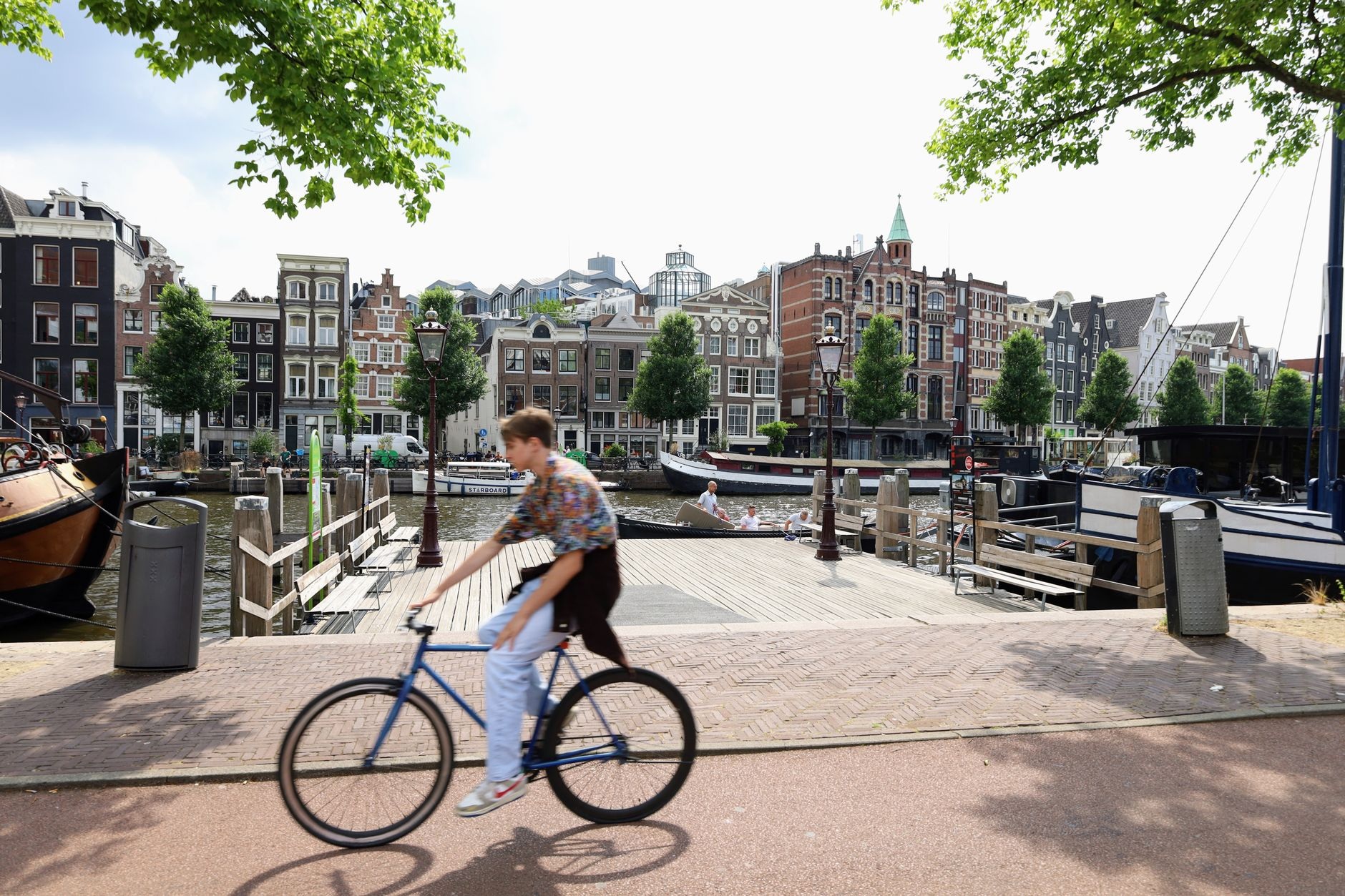
Amsterdam's municipal government is pressing ahead with a package of housing and public space measures outlined in the 2026-2029 coalition agreement, and the debate over who benefits and who bears the cost is sharpening. The policies centre on two linked priorities: expanding the social housing waitlist reform introduced under the Woonakkoord framework, and tightening rules on commercial use of public squares and canal-side terraces. Together, they directly affect an estimated 90,000 households currently registered on the city's social housing list, as well as the hospitality and retail sectors concentrated in districts including De Pijp, Centrum and Oost.
The timing matters. Amsterdam's housing market remained among the most pressured in the Netherlands through 2025, with average private sector rents in the city exceeding 1,600 euros per month for a two-bedroom apartment according to figures published by the Dutch national statistics office, CBS. Community organisations that work with lower-income residents say the waitlist for social housing has in some cases stretched beyond 15 years, a figure the municipality itself has cited in internal policy documents. Urban policy researchers at the University of Amsterdam note that the coalition agreement's target of adding 7,500 new social and mid-market homes by 2028 is ambitious given current construction costs and nitrogen-deposition regulations that continue to slow building permits across Noord-Holland province.
What the Policy Changes Mean on the Ground
For residents on the housing waitlist, the most immediate change is a revised priority-points system expected to take effect in early 2027. Under the new framework, people who have lived and worked in Amsterdam continuously for more than ten years will receive additional allocation points. Local advocates working with families in Nieuw-West and Zuidoost say this could meaningfully shorten waiting times for long-term residents, though they caution that the overall shortage of available units means the practical effect will be modest unless construction targets are met. Housing support workers also note that residents in temporary or emergency accommodation will face a separate, faster-track process, which the municipality says is designed to reduce pressure on crisis shelter provision.
The public space measures are generating more friction. The municipality is proposing to cap the number of licensed terrace extensions on 23 designated canal-side streets in the Centrum district and to introduce new hourly fees for commercial filming and photography in public squares such as Leidseplein and Museumplein. Hospitality sector representatives have told the city council's economic affairs committee that the fees, projected to raise approximately 4.2 million euros annually for the municipal budget, amount to a disproportionate burden on small operators still recovering from post-pandemic trading losses. Pedestrian and cycling advocacy groups, by contrast, argue that freeing pavement space from terrace overflow will improve accessibility for people with mobility needs, a point echoed by disability rights organisations based in the city.
Experts Urge Caution on Delivery Timelines
Policy analysts at the Amsterdam Institute for Metropolitan and International Development Studies (AMIDST) say the housing targets depend heavily on a functioning partnership between the municipality and housing corporations such as Ymere and Rochdale, which together manage more than 100,000 social rental units in the greater Amsterdam area. Researchers there point out that the corporation sector faces its own financial constraints, partly driven by the national landlord levy that was reformed under The Hague's 2024 budget but whose effects on investment capacity are still working through the system. Without confirmed financing agreements in place before the end of 2026, they say, the 7,500-unit goal looks difficult to reach on schedule.
Community voices in the city's outer districts are watching the terrace and public space measures for signs of whether the revenue generated will be reinvested locally. Neighbourhood councils in Noord and West have written to the wethouder for public space asking for a commitment that at least a portion of the new commercial licensing income fund neighbourhood green space improvements. The municipality has not yet published a detailed spending allocation for that revenue stream. The next formal progress review of the coalition agreement is scheduled for September 2026, when updated housing construction figures and the final terrace licensing rules are both expected to be presented to the city council.