Politics
Amsterdam’s Housing and Planning Policy: How the City Stacks Up Against European Peers
New development rules and planning restrictions are shaping where and how Amsterdam grows, influencing housing availability and costs for local residents.
How we reported this
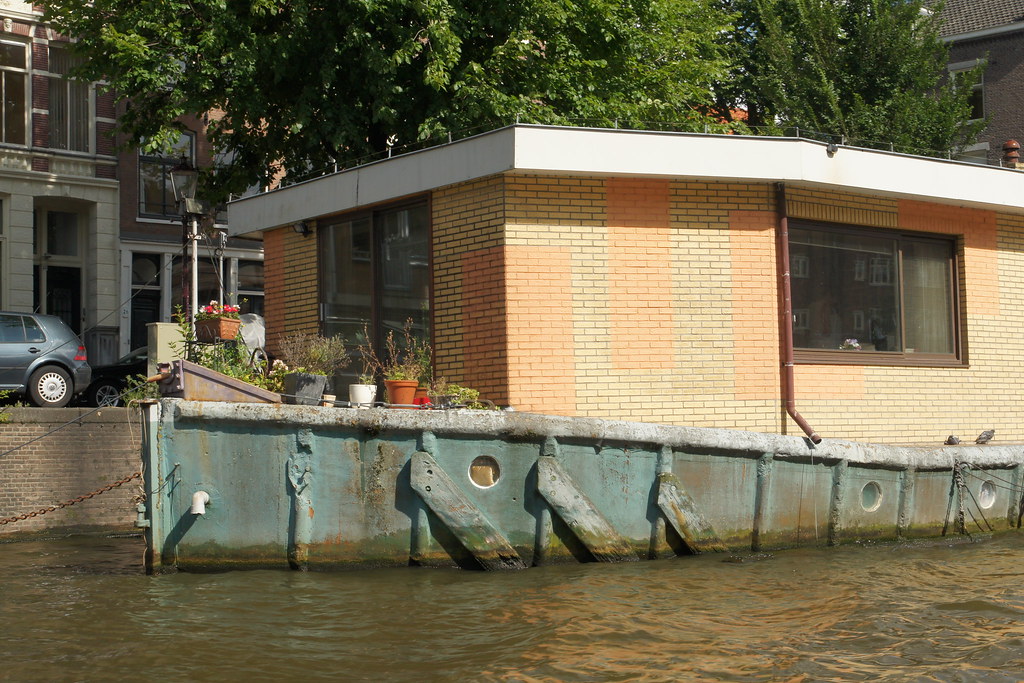
This year, Amsterdam’s municipal council introduced a suite of new housing and planning regulations intended to manage rapid growth and address rising demand for affordable homes. The policy affects developers, renters and buyers by tightening guidelines for new construction, limiting speculative investment and adjusting zoning to encourage sustainable neighbourhood development.
Policy Pressures: Why Housing Rules Are Under Scrutiny
The changes come as Amsterdam faces mounting pressure from escalating rents and a shortage of accessible housing options. With more people moving to the city for work and study, local advocates point to crowded rental markets and rising costs for first-time buyers. In recent council sessions, housing policy has become a flashpoint, with debates around balancing historic preservation, green space, and the need for new homes. Amsterdam’s experience echoes challenges seen in other high-demand European cities such as Berlin, Paris and Copenhagen, which have also initiated stricter planning controls and rent regulation in recent years.
Local Impact: What Residents Can Expect
For Amsterdam residents, the new policies translate into tighter rules on short-term rentals and investment properties aimed at improving the supply of long-term homes. Local analysts note that city planners are prioritising mixed-use developments in the outer boroughs to disperse growth beyond the historic core. At street level, this could mean more construction in areas like Amsterdam Noord and the city’s west, and fewer tourist-oriented short stays in the canal district.
Those seeking to buy a home may encounter stricter eligibility checks and new requirements for permanent residency, which the council says are designed to support long-term community stability. Tenants are expected to benefit from stronger protections against excessive rent rises and a more transparent application process. The council’s latest budget papers outline a commitment to invest in sustainable construction and support affordable housing initiatives for families and key workers.
Evidence and Next Steps
Council documents cite rising housing demand and the city’s limited land supply as key reasons for the policy shift. The Netherlands Bureau for Economic Policy Analysis (CPB) has reported that national housing shortages are especially acute in Amsterdam and surrounding municipalities. City authorities have allocated additional funding to support new social and mid-market rental projects, with a focus on expanding access in neighbourhoods currently under strain.
Looking ahead, the city government says it will review the effects of the policy at regular intervals, in line with local consultation requirements. Authorities are expected to release their first progress report next year, with further adjustments possible based on public feedback and market conditions. For now, Amsterdam’s approach marks a significant moment in the city’s ongoing effort to balance growth, affordability and liveability for current and future residents.