news
Amsterdam Residents Use 112 for Life-Threatening Emergencies, Following Europe Standards
The city's system routes non-critical cases through GPs and after-hours posts to keep emergency rooms focused on urgent needs.
How we reported this
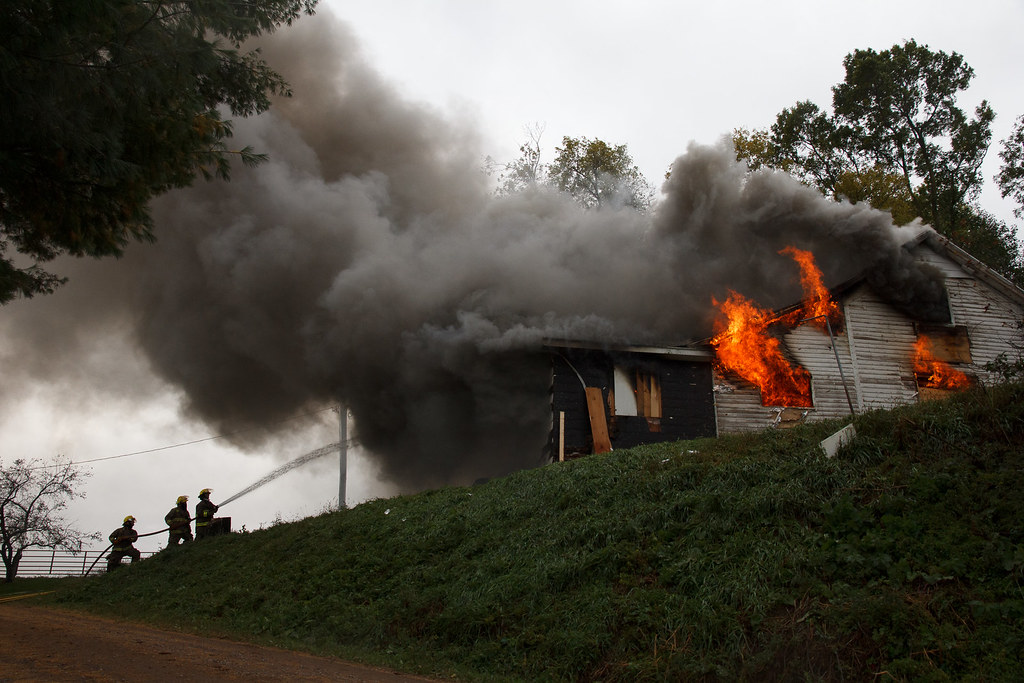
Amsterdam residents facing immediate threats to life now know to call 112 first, the single number that dispatches ambulances, fire crews or police across the city and surrounding area. The service, updated on the official tourism and resident portal last May, also provides a text line at 0800 8112 for people who are deaf or hard of hearing. Operators handle calls in English alongside Dutch and sometimes French or German.
Why the routing matters for daily life here
Amsterdam draws thousands of international workers each year to its tech offices and research hubs, many of whom arrive without local medical routines. Directing non-life-threatening complaints away from hospital accident-and-emergency departments prevents overload on specialist teams and avoids unexpected insurance costs for patients. The approach mirrors the Europe-wide 112 system, the functional equivalent of 911 in the United States or 999 in the United Kingdom, yet it adds a local filter that keeps general practitioners at the centre of first contact.
City officials and health insurers emphasise that the accident-and-emergency department at any Amsterdam hospital exists strictly for cases needing immediate specialist care. In every other situation the first step remains a call to a regular doctor or the after-hours GP post, known locally as the huisartsenpost. Those posts are staffed by the same physicians who rotate night, weekend and holiday shifts, so callers receive an initial phone assessment before any further step.
Practical steps residents follow
When someone rings the huisartsenpost, staff decide whether advice over the phone suffices, whether a doctor should visit the home, or whether an ambulance is required. Only a GP or the 112 line can summon an ambulance; residents cannot call one directly. Treatment at the GP post carries no deductible charge, while a visit to the hospital accident-and-emergency unit normally triggers the patient’s annual excess under Dutch health insurance rules. The source material stresses that identification and an insurance card should travel with anyone heading to hospital.
Police contact follows the same split. Life-threatening incidents still go through 112, but non-emergency reports use 0900 8844. A separate text line, 0900 1844, serves deaf or hard-of-hearing callers for those matters, and an anonymous crime tip line operates at 0800 7000. For dental pain outside normal hours, registered patients first ring their own practice; otherwise the number 085 105 0757 covers Amsterdam and nearby Haarlem, while residents in the wider Noord-Holland and Flevoland provinces check tandarts.nl for rotating emergency dentists.
Anyone new to the city benefits from noting these routes before an urgent need arises. The same single-point entry for true emergencies, followed by GP gatekeeping for everything else, keeps the system aligned with other major European capitals that also rely on 112 while protecting capacity in specialist units. Residents who keep the numbers handy and understand the GP-first sequence reduce both response delays and out-of-pocket costs when something unexpected occurs.