news
Amsterdam's Three-Tier Government System Shapes Housing and Traffic Decisions
The city's council, executive and district bodies divide responsibilities in ways that differ from many other major urban centers worldwide.
How we reported this
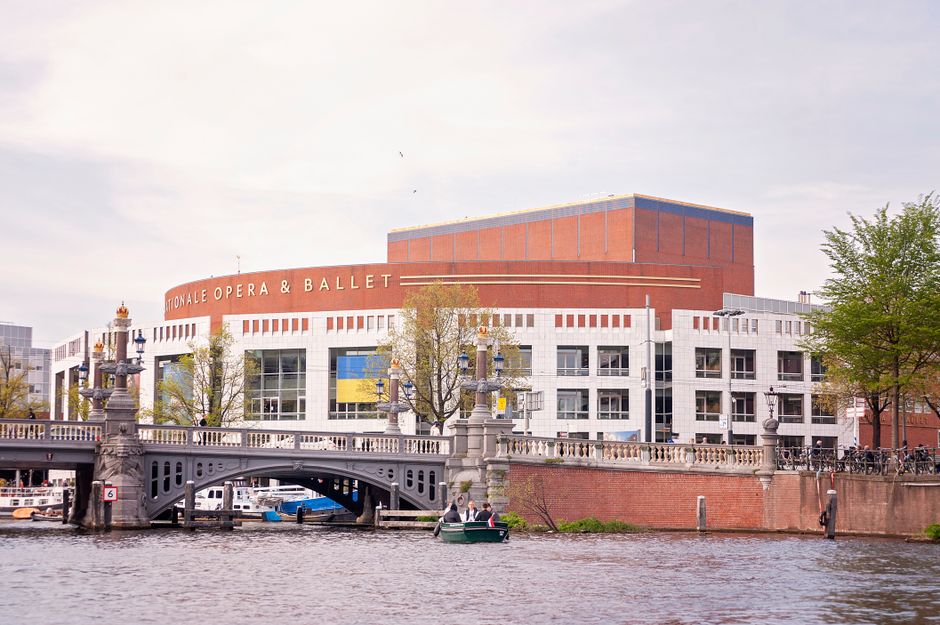
Amsterdam residents elect a 45-member city council every four years to set broad policy on topics such as housing, traffic, climate and care, while an executive team and neighborhood committees handle day-to-day work and local advice.
The structure separates strategic choices from implementation and neighborhood input, a division that some other large cities manage through fewer layers or stronger central control. Recent coalition talks among PvdA, GroenLinks and D66 produced an agreement that the council approved, showing how party negotiations feed into formal decisions.
City council sets direction, executive carries it out
The council serves as the highest authority and reviews how the mayor and deputy mayors execute approved plans. Deputy mayors, nominated by coalition parties and appointed by the council, develop detailed measures and oversee daily administration. The mayor chairs both the council and the executive, creating a direct link between policy approval and operational delivery.
This arrangement gives elected representatives explicit oversight powers that some global cities assign to appointed managers rather than political coalitions. Amsterdam's council members come from multiple parties, reflecting the outcome of the most recent city-wide vote.
District committees add local voice
Each of the city's districts maintains an executive board and a committee whose members are chosen by residents alongside the main council election. The Weesp area follows the same pattern with its own administrative committee. These bodies advise on neighborhood-specific matters before plans reach the municipal executive.
The committees draw on residents' familiarity with local conditions, a step that central administrations in comparable cities often skip. Their recommendations support the executive without replacing its final responsibility for city-wide policy.
Residents who want to follow or influence upcoming choices can review council agendas and contact district committee members through the channels listed on the city website. The next council election remains scheduled on the standard four-year cycle.
Source: https://www.amsterdam.nl/en/governance/governing-bodies/