news
Amsterdam City Council Drives Housing, Traffic, Care Decisions Through Three Levels
The city's three-level structure channels input from elected representatives down to district boards on daily matters.
How we reported this
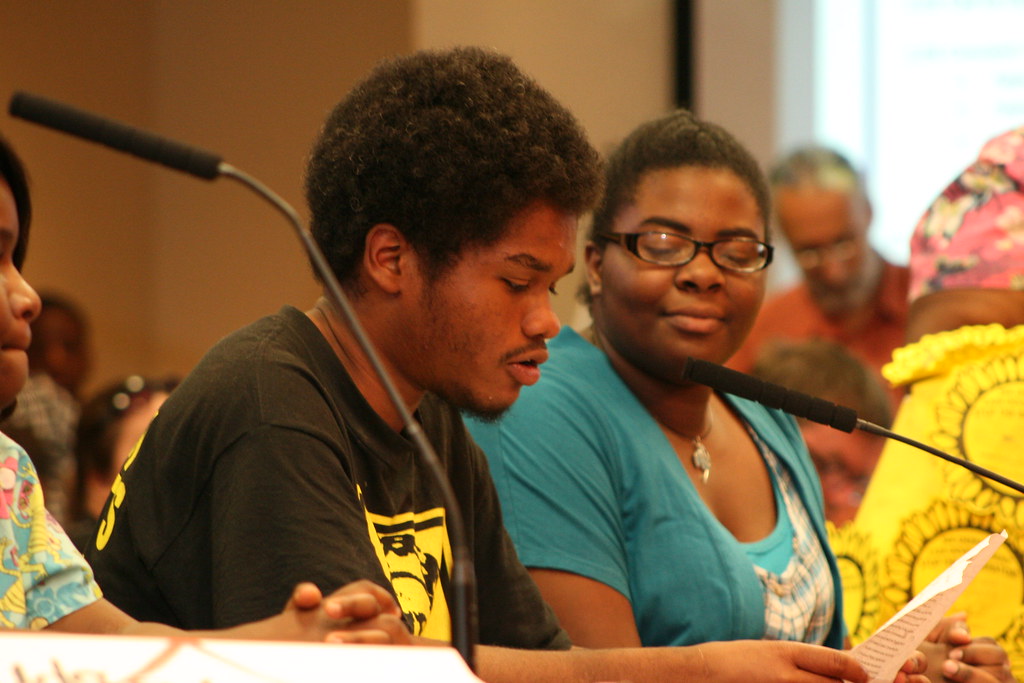
Amsterdam’s city council holds final authority on major policy choices, with its 45 elected members setting direction on housing, traffic, climate and care. Residents choose those members every four years, and the council also monitors how the mayor and executive team put those choices into practice.
How the structure operates day to day
The municipal executive, made up of the mayor and deputy mayors, turns council decisions into working plans and handles routine administration. Current coalition partners PvdA, GroenLinks and D66 nominated the deputy mayors, after which the council formally appointed them. The mayor chairs both the council and the executive, giving one person oversight of the full chain from debate to delivery.
Each of the city districts maintains its own executive board and district committee, while Weesp runs a parallel administrative committee. Voters elect committee members alongside the main council, and those committees advise their local boards on neighbourhood-specific issues. The boards then carry out approved plans and feed information back to the central executive.
Where residents fit in
Because the district committees are drawn from people who live in the areas they represent, they supply local knowledge when the executive boards consider plans. This arrangement lets the central bodies focus on city-wide questions while the districts manage implementation closer to the ground.
Anyone wanting to follow or influence a decision can track items through the council agenda or contact their district committee for advice on local matters. The same official channel that outlines these roles also lists contact details for the mayor and deputy mayors.
The framework remains the same regardless of the topic under discussion, whether the council is debating a new climate target or the executive is rolling out a traffic measure. District committees continue to review proposals that affect their streets and report findings upward.