news
Amsterdam’s 2022-2026 Local Government Decisions: Implications for Residents and Community
The city council’s focus on housing, social foundation, and digital autonomy shapes day-to-day life and future development in Amsterdam.
How we reported this
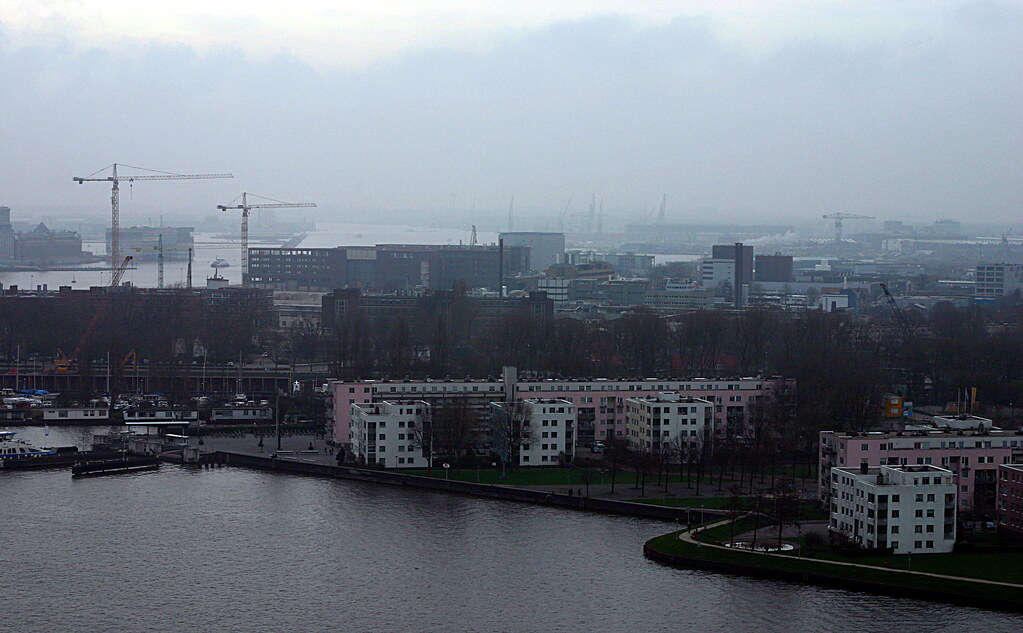
Amsterdam’s local government is approaching the final months of its 2022-2026 term with policies targeting housing, social welfare, and digital independence that will directly affect residents and the broader community. Governed by 45 elected city council members and guided by the coalition agreement known as the 'Amsterdam Agreement,' the city aims to balance affordable housing needs, social stability, and technological self-reliance by 2035.
Why These Priorities Matter Now
The housing shortage in Amsterdam remains acute, making the coalition's commitment to a specific housing mix crucial. The 'Amsterdam Agreement,' formed by PvdA, GroenLinks, and D66 parties, mandates that newly built housing projects should consist of 40% social rental homes, 40% for middle-income groups (rental or ownership), and 20% private-sector housing. This policy reflects an effort to diversify housing to ensure affordability while accommodating different income brackets.[1]
At the same time, the city faces modern challenges in governance. Experts describe the 2026 focus as managing issues to achievable scales rather than pursuing total resolution. This pragmatic approach aims to stabilize the urban environment while promoting a business-friendly climate vital for Amsterdam's economic health.[5]
Steps Toward Digital Autonomy and Community Impact
In a significant move announced at the start of 2026, Amsterdam launched its Multiyear Digital Autonomy Strategy 2026-2035. The city plans an annual investment of approximately €4.6 million to build infrastructure that reduces dependence on global technology giants. The digital strategy is intended to secure more control over data, services, and digital platforms used in municipal operations, which directly impacts city services and residents’ daily digital interactions.[2]
This investment signals Amsterdam’s ambition to safeguard privacy, improve service reliability, and foster local innovation. As city administration digitizes essential functions, campaigning for digital self-determination has implications for jobs, local technology sectors, and residents relying more on online municipal interactions.
The municipal agenda in 2025-2026 highlights three pillars: housing (guided by Koers 2025 plans), strengthening Amsterdam’s social foundation, and advancing digital autonomy. Housing initiatives under Koers 2025 aim to accelerate development while maintaining social cohesion amid rising demand and urban pressures.[4]
Governance Structure and Community Outcomes
The governing coalition’s policies are implemented through the city's municipal executive (College van B&W), consisting of the mayor and seven alderpersons, while the city council of 45 members sets policy and oversees execution. These structures work together to translate coalition priorities into concrete action affecting neighborhoods across Amsterdam.[3]
Large-scale housing targets (40% social rental, 40% middle-income, and 20% private sector) promise more accessible homes, aiming to ease the long-standing housing pressure in the city. Meanwhile, digital autonomy efforts seek to reduce reliance on major tech companies, which could influence how public services are designed and delivered. The combined result is expected to reinforce community resilience by addressing both material needs like housing and future-facing infrastructure for better governance.
For residents, this means potential new housing options aligned with income groups, improved digital interactions with municipal services, and a steady focus on social welfare. Amsterdam’s leadership signals a preference for manageable progress, which could lead to incremental but sustained improvements in quality of life.
Looking ahead, the city council’s decisions in these final months will set the foundation for the next electoral term starting in late 2026. Residents can expect continued emphasis on these three priorities, with accountability maintained through regular city council meetings open to the public every four weeks at Amsterdam City Hall.[1]
Citizens interested in housing development plans or digital services are encouraged to follow council updates and participate in community consultations, which remain an integral part of governance transparency. As Amsterdam balances growth and innovation with social stability, residents stand to benefit from policies that seek both immediate relief and long-term digital and social empowerment.