news
Amsterdam Residents Navigate 1.6% Growth: Benefits and Ongoing Challenges Coexist
Despite a projected GDP growth of 1.6% in 2025, residents and workers in Amsterdam experience a complex mix of economic benefits and ongoing challenges.
How we reported this
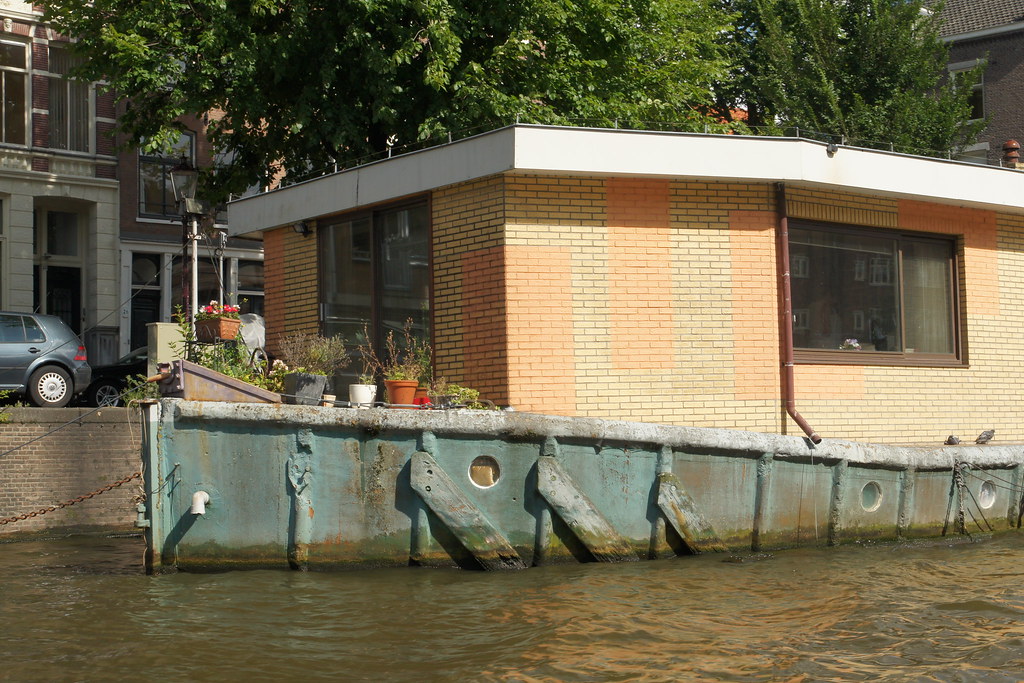
Amsterdam's local economy, forecast to grow by 1.6% in 2025, presents a mixed picture for those living and working in the city. While business services and ICT sectors drive growth, many residents and workers face daily struggles amid housing shortages and a tight labor market that complicate their economic prospects.
Why Amsterdam's Economic Growth Matters Now
As the city pushes toward economic expansion, concerns persist over who truly benefits. The local government projects 1.6% GDP growth for 2025, fueled largely by ICT and business services, but this growth has not translated into widespread wealth for many residents. Household wealth in Amsterdam lags behind the national average, and unemployment rates remain elevated compared to other Dutch cities.
The metropolitan region also faces serious labor shortages, with 44 unfilled vacancies per 1,000 jobs, partly due to an aging population. This tight labor market affects both businesses and workers, complicating recruitment while limiting opportunities for employment stability.
Local Realities: Housing and Employment Pressures
Across Amsterdam's neighborhoods, people encounter acute housing pressures. The severe housing shortage has made it difficult for workers to find affordable places near their jobs, which decreases job accessibility and quality of life. This also impacts foreign businesses: the number of new companies attracted to the region dropped to 49 in 2024, a sharp decline from previous years, due largely to housing and infrastructure constraints.
The city's nightlife economy offers over 5,000 jobs and supports 541 night venues, with 90% of residents engaging in nightlife activities as of 2025. Yet, even in this vibrant sector, challenges are noted: venues operate under strict regulations with budgets that typically range from €50-80 covering entry, drinks, and transport, making nights out potentially expensive for some. This highlights the economic tightrope residents and employees balance daily.
Data Underscores Uneven Benefits and Labor Market Tightness
Evidence from economic reports reveals a labor market stretched thin, with only one short-term unemployed person available for every six vacant positions in 2022. This gap exacerbates recruitment woes for businesses while limiting opportunities for the unemployed to fill jobs, potentially perpetuating inequality in employment access.
While Amsterdam's economy surpassed a 4.5% growth rate in 2022, courtesy of a post-pandemic tourist surge, growth is slowing and not impacting all sectors or residents equally. Wealth gaps and employment instability remain entrenched despite the outward signs of economic vitality.
What Comes Next for Amsterdam's Workforce and Residents?
The city government's commitment to sustainability and circular economy goals, aiming for a 50% reduction in raw material use by 2030 and full circularity by 2050, may open new avenues for green jobs, which already constitute 11% of employment in the metropolitan area. However, addressing housing shortages and labor market imbalances remains critical to ensuring that economic growth is inclusive.
For residents and workers navigating these challenges, accessing local support programs and staying informed about evolving employment opportunities, especially in ICT and sustainable sectors, may prove beneficial. Meanwhile, policymakers face mounting pressure to balance city growth with livability and access for all Amsterdamers.