news
Amsterdam Officials Cautiously Optimistic New Governance Tackles Housing, Transport, Environment
City leaders and experts highlight potential and challenges in addressing housing, transportation, and environmental concerns under current coalition policies.
How we reported this
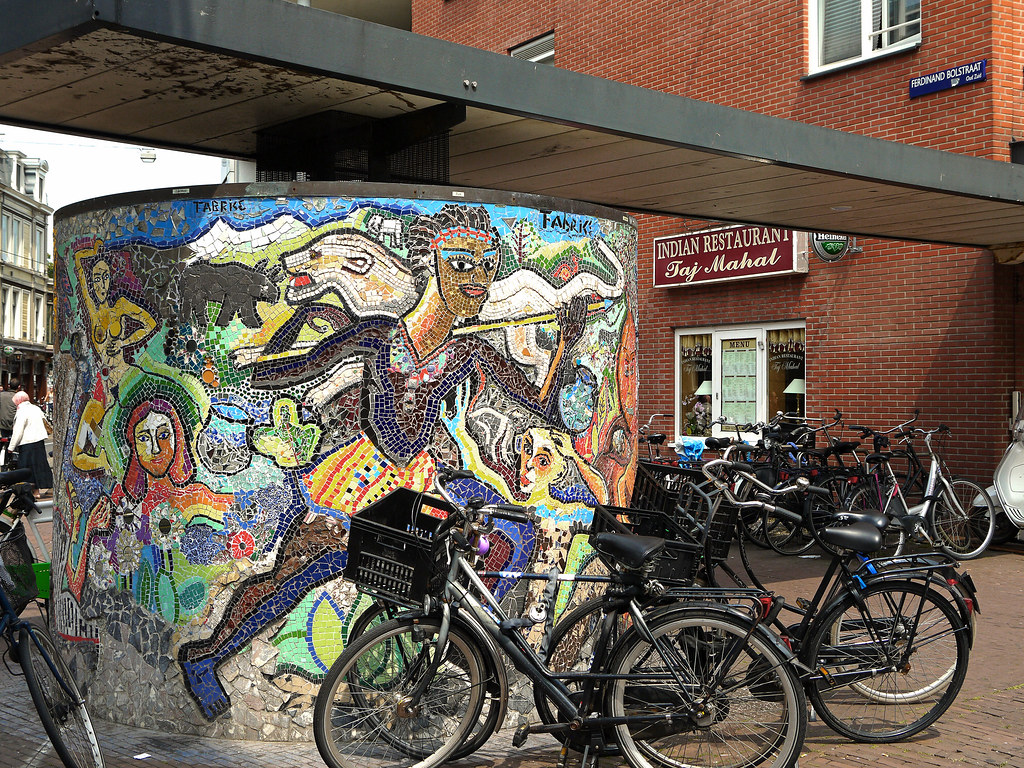
Amsterdam’s local government officials and urban planning experts today weighed in on the recent initiatives announced by the city’s D66-led coalition. The measures aim to tackle pressing issues including the severe housing shortage, expansion of cycling infrastructure, and the impact of nitrogen policies on farmers and residents.
Context and Current Challenges
The pressure on Amsterdam’s housing market has intensified, compounded by the ongoing nitrogen policy protests affecting agricultural supply chains and surrounding regions. City governance is striving to balance environmental regulations with the urgent demand for affordable living spaces. At the same time, heightened concerns over overtourism have propelled the implementation of a cruise ship ban to preserve Amsterdam’s historic areas and quality of life.
Experts stress that this juncture represents a critical phase for the city, as choices made now will reverberate through the next decade of urban development. Cycling infrastructure expansion remains a visible priority to address both commuter needs and environmental goals.
Voices from City Hall and Urban Planning Circles
Officials involved in Amsterdam’s coalition administration acknowledge the complexity of these intertwined issues. A senior city planner described the nitrogen restrictions as "a necessary but tough adjustment," noting ongoing dialogues with farmers' groups to mitigate economic disruptions. Simultaneously, municipal transport authorities are rolling out new lanes and improved bike parking facilities in key districts to encourage cycling uptake, part of a broader strategy to reduce car dependency.
Local environmental advocates underline the importance of the cruise ship ban, emphasizing it as a step toward sustainable tourism management. However, they caution that enforcement and alternative economic strategies for port operators must be robust to ensure community support.
Meanwhile, housing experts highlight the difficulty of creating sufficient affordable units amid rising construction costs and regulatory constraints. They stress coordinated efforts with national authorities and private developers will be vital to accelerate housing projects while maintaining quality standards.
Evidence of an Evolving Policy Landscape
While specific statistics on housing starts or nitrogen emissions reductions have not been released recently, stakeholders broadly recognize an evolving policy environment characterized by cautious experimentation under close public scrutiny. The coalition government’s balanced approach reflects a willingness to adjust policies as real-world data and community feedback accumulate.
For instance, cycling infrastructure development shows qualitative improvements with increased bike lane connectivity observed in several neighborhoods. Farmers’ protests continue to underscore the contentious nature of environmental policy, yet municipal engagement efforts signal openness to compromise.
Looking Ahead: What Amsterdam Residents Can Expect
Residents should anticipate incremental changes rather than sweeping reforms in the near term. Continued expansion of cycling networks will likely improve urban mobility options over time. Meanwhile, efforts to ease housing shortages may gradually influence affordability and availability as new constructions come online.
Public dialogue remains essential, with officials and experts encouraging constructive participation from community members and stakeholders. The city’s response to nitrogen policy challenges and overtourism management will remain under close watch, influencing future decisions and adjustments.
In summary, Amsterdam’s leadership and experts maintain a cautiously optimistic tone regarding the effectiveness of current measures. They affirm that success will depend on sustained collaboration across government, civil society, and the private sector as the city navigates these complex priorities.