news
Amsterdam Economy Shows Signs of Strain Amidst Global Instability
A snapshot of recent economic developments highlights challenges for the city’s key sectors this week.
How we reported this
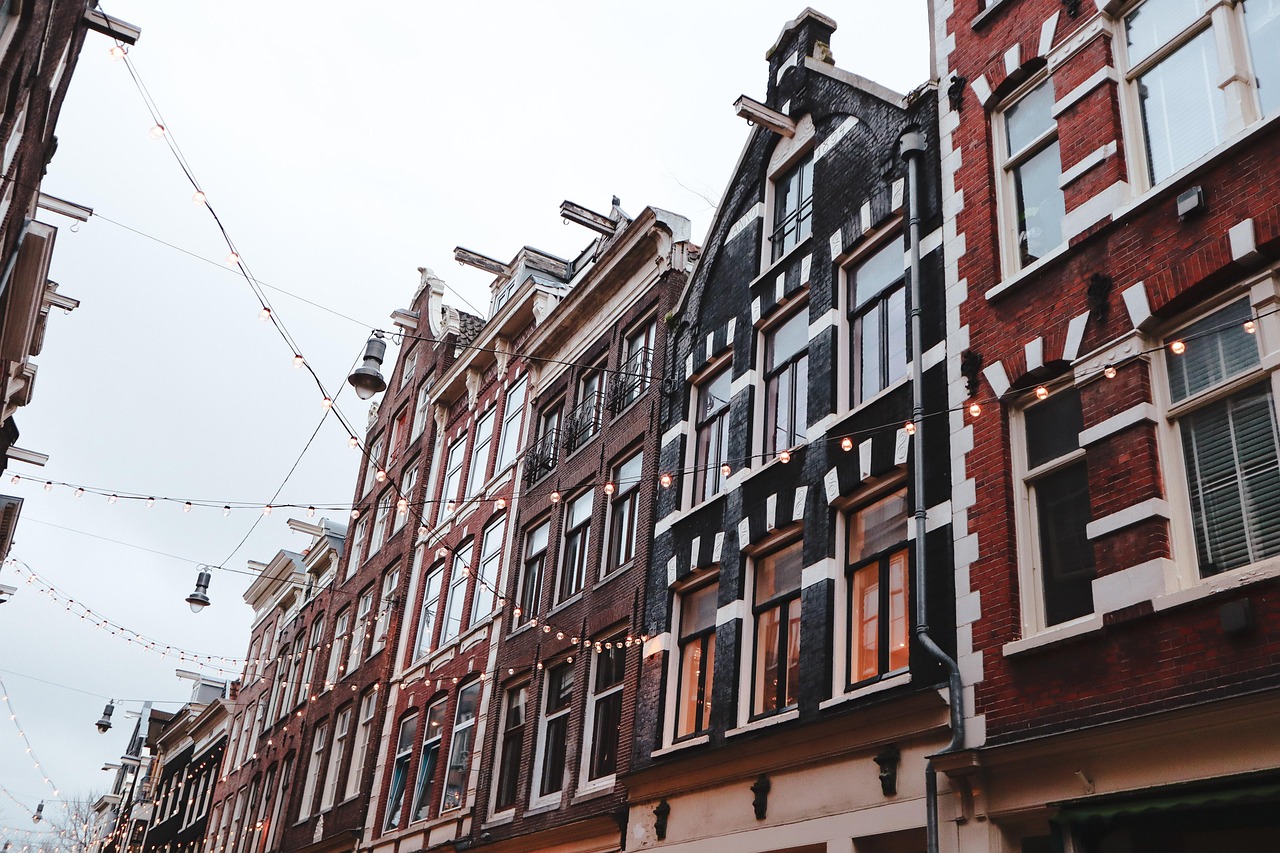
This week, Amsterdam's local economy has faced continued pressure against the backdrop of international uncertainties and domestic policy challenges. While there is no single event dominating the news cycle, the cumulative impacts of global geopolitical tensions and local regulatory policies have created a complex environment for businesses and residents.
Context: Why This Matters Now
The recent escalation of conflict in the Strait of Hormuz and the resumption of US blockades against Iranian ports have disrupted global trade flows, increasing risks for supply chains that indirectly affect Amsterdam’s ports and logistics sectors. Meanwhile, the city’s ongoing nitrogen regulation policies and farmers’ protests continue to complicate agricultural supply chains feeding into Amsterdam’s markets.
Locally, the city government led by D66 is managing a delicate balancing act: implementing stringent environmental and housing policies while trying to sustain economic vitality. The housing shortage and overtourism management, including the cruise ship ban, place further strain on the urban economy, potentially dampening consumer spending and tourism-driven revenues.
Local Developments and Impact on Key Sectors
Amsterdam’s efforts to expand cycling infrastructure are progressing but represent a longer-term investment rather than immediate economic stimulus. The technology sector maintains a strong international presence, but hiring freezes and cautious growth strategies are reported throughout leading firms, reflecting a cautious approach amidst global headwinds.
On the ground, the Port of Amsterdam faces headwinds as international shipping lanes adjust in response to geopolitical instability, although no major disruptions have yet been reported locally. The city's prominent cultural venues and tourist hotspots have seen steady but unspectacular attendance, influenced partly by continued travel hesitancy and broader economic uncertainty.
Evidence and Economic Indicators
While this week lacks granular statistical releases specific to Amsterdam, qualitative evidence points to slower growth in retail and hospitality sectors. The continued decrease in demand for luxury goods, as signalled by global figures like De Beers halting work in South Africa, mirrors cautious consumer behavior among Amsterdam residents and visitors alike. Industry sources note moderated activity levels across sectors reliant on discretionary spending.
Looking Ahead
Businesses and city officials should brace for prolonged uncertainty. Residents and entrepreneurs alike may face continued challenges related to housing availability and inflationary pressures, affecting disposable income and investment capacity. The cautious optimism among tech companies suggests that innovation-driven growth opportunities remain, but these will require supportive policy frameworks and flexibility amid unpredictable global conditions.
For now, Amsterdam’s economy is in a holding pattern, influenced by external shocks and internal policy shifts. Stakeholders are advised to monitor global developments and local regulatory changes closely while preparing for a gradual adaptation to the evolving economic landscape.