news
Amsterdam residents face mounting pressures as housing and environmental policies collide
Key local developments highlight growing challenges for quality of life and urban sustainability in Amsterdam.
How we reported this
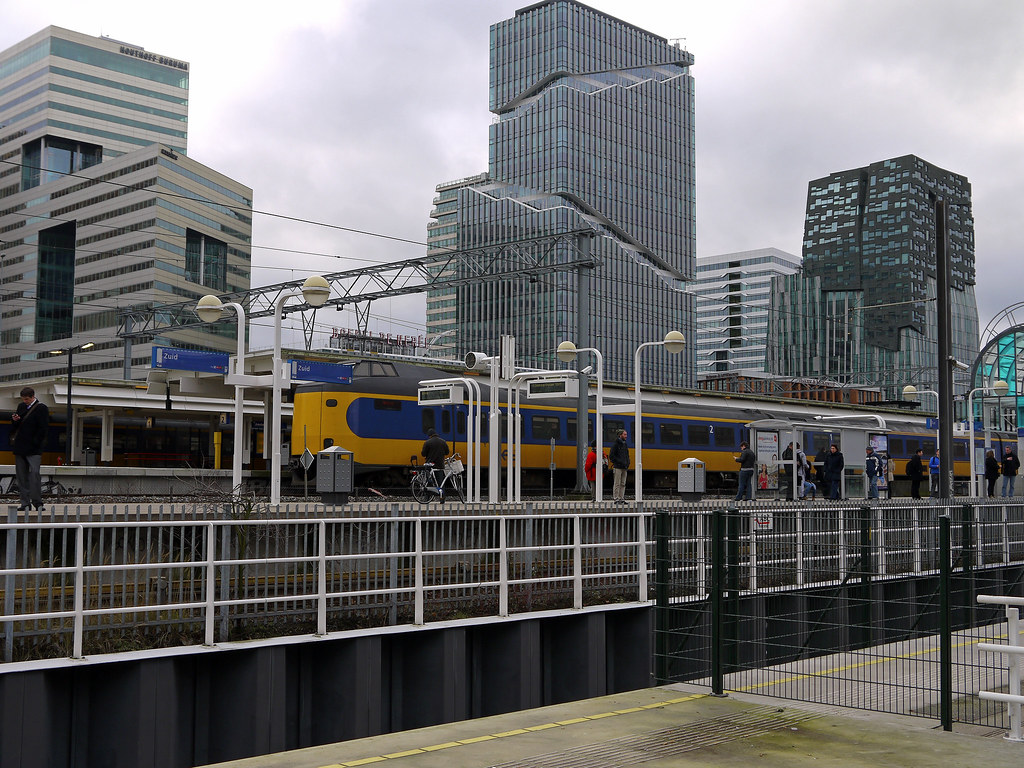
Amsterdam continues to grapple with intertwined challenges stemming from its chronic housing shortage and stringent environmental policies, impacting residents’ daily lives and the city’s future development.
Housing shortage compounds stress on community
The city’s housing crisis remains acute, with a severe shortage of affordable homes fueling frustration and making it harder for many to find a place to live. While D66-led coalition efforts focus on easing this pressure, rising demand amidst limited new construction drives prices upward and exacerbates displacement issues. The scarcity affects neighborhoods differently, but overall adds strain on social cohesion and access to essential services.
This shortage matters now more than ever as population growth and urbanization sustain rapid momentum. The lack of affordable housing options places unique hardships on young adults, families, and lower-income groups who struggle alongside rising rents.
Efforts to expand cycling infrastructure and impose a cruise ship ban aim at managing overtourism and improving livability, but these must be balanced carefully with residents’ housing needs. The nitrogen policy, designed to reduce farm emissions outside the city, further complicates matters by influencing land use and agricultural sectors linked to Amsterdam’s food supply chains.
Environmental regulations and urban planning intersect
The controversial nitrogen policy has triggered protests among farmers, underscoring tension between environmental targets and livelihoods. Locally, these protests highlight a broader debate about sustainable development, striking a balance between ecological responsibility and economic vitality.
Meanwhile, the city’s commitment to improving cycling networks contributes positively to traffic management and air quality but requires ongoing investment and community cooperation. The ban on cruise ships docking ties directly into efforts to reduce tourist pressures on infrastructure and residential neighborhoods, particularly in central areas.
For residents, these policies are tangible: they influence traffic patterns, noise levels, access to green spaces, and even the shape of everyday urban life.
Looking ahead, continued dialogue between local government, community groups, and industry stakeholders will be crucial. Residents may expect incremental changes intended to mitigate current tensions, but these will require patience and active participation to succeed.
In practical terms, those seeking housing might consider exploring alternative neighborhoods or community housing projects that align with new environmental standards. Engagement in local consultations can also help ensure community voices shape the evolving Amsterdam landscape.