news
Understanding Amsterdam's Current Challenges: How We Got Here
A look at the key factors shaping Amsterdam's housing, tourism, and environmental policies in 2026.
How we reported this
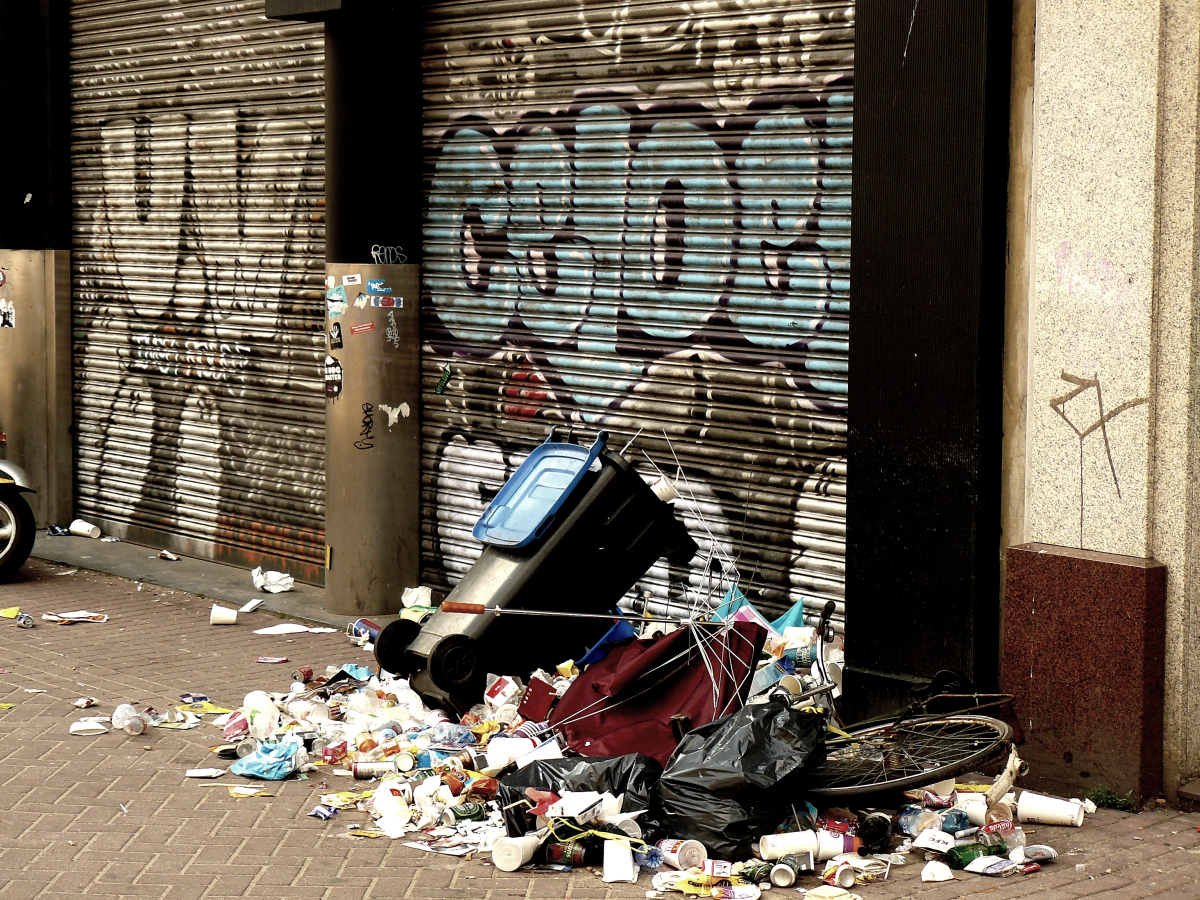
Amsterdam continues to grapple with critical urban challenges, including housing affordability, overtourism, and environmental concerns. Local authorities have rolled out recent measures such as restrictions on holiday rentals and the implementation of a zero-emission zone for pleasure boats in the city centre, marking significant interventions in the city's daily life and long-term planning.
The Context Behind the Measures
These changes respond to mounting pressures that have intensified over recent years. Amsterdam's popularity as a tourist destination and the growing demand for short-term rental options have exacerbated housing shortages and community concerns. This surge has pushed authorities to impose regulations aimed at balancing economic benefits with livability for residents.
In terms of environmental policy, the introduction of a zero-emission zone for pleasure boats on 1 April 2025 showcases the city's commitment to reducing pollution in its historic core waterways. This move aligns with broader sustainability goals and reflects growing public demand for cleaner urban environments.
Details of Local Action and Its Roots
The city's housing sector is especially strained by the dual challenge of affordability and tourist accommodation. Amsterdam now enforces rules limiting holiday rentals to prevent residential displacement. These regulations are part of efforts detailed by the city administration and reported by Amsterdam Now, which highlight ongoing efforts to manage overtourism and its impact on neighborhoods.
On the environmental front, the zero-emission zone covers waterways in the central districts, affecting pleasure boats that previously contributed significantly to air and water pollution. This policy has roots in wider initiatives to shrink pollution from transport and promote sustainability within the city’s canals, vital to Amsterdam’s identity and economy.
Evidence and Impact
According to local news sources, the zero-emission pleasure boat zone took effect on 1 April 2025. Simultaneously, the restrictions on holiday rentals reflect an ongoing strategy by Amsterdam officials to mitigate the consequences of overtourism that has long been noted in the city’s debates and planning discussions. The precise effects of these policies continue to develop, but they represent decisive steps by the city government in coordination with the current D66-led coalition.
While specific figures for housing affordability shifts or tourism numbers post-implementation were not detailed in recent reports, the fact that the entire city centre's waterways were included signals the scope and seriousness of the emissions policy. Similarly, holiday rental restrictions directly respond to complaints from residents and experts about housing market distortions tied to short-term tourist stays.
What Comes Next for Amsterdam Residents and Visitors
Residents and visitors should expect continued emphasis on sustainable living and controlled tourism. The city’s management of housing will likely remain a strong priority, with ongoing adjustments to policies such as holiday rental regulations. Meanwhile, boat owners navigating Amsterdam's canals must comply with emission standards reflecting the environmental zone rules.
Authorities have indicated a sustained commitment to these initiatives, but the city’s evolving challenges mean that residents will see a dynamic urban environment where regulation adapts to balance economic vitality, environmental sustainability, and quality of life.