news
Amsterdam Tackles Housing, Mobility, and Climate Like Global Cities
The city’s approach to housing, mobility, and environmental issues reflects broader trends shaping metropolitan governance worldwide.
How we reported this
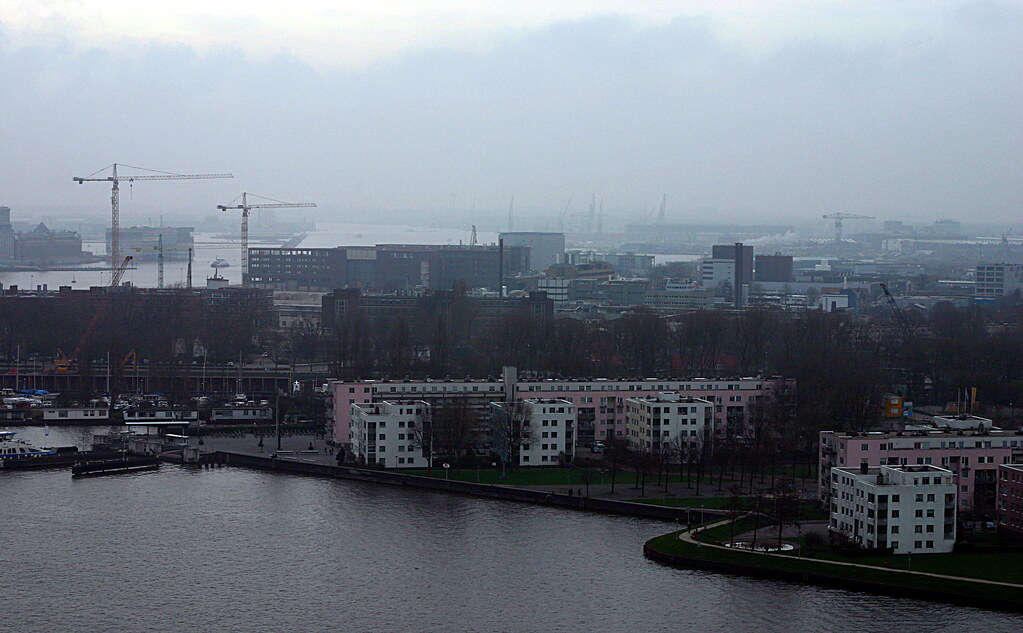
Amsterdam continues to grapple with deepening urban challenges, including a housing shortage, overtourism, and environmental policies impacting local agriculture. While these issues are formidable, the city’s responses reveal parallels and contrasts with strategies adopted by major international cities.
Addressing Housing and Mobility Amidst Growing Pressures
Housing scarcity remains a pressing concern in Amsterdam. The city’s coalition government, led by D66, is under significant pressure to increase affordable housing availability. This shortage exacerbates social tensions and limits economic opportunities for residents. Simultaneously, Amsterdam has taken decisive measures targeting overtourism, exemplified by the policy enacted last year restricting cruise ship arrivals to protect the city’s historic canals and neighborhoods.
Nearby towns such as Haarlemmerbuurt see daily commuter and tourist flow impacts from these mobility and housing challenges. Amsterdam’s expansion of cycling infrastructure dovetails with efforts in numerous global cities striving for sustainable transport solutions. This approach reduces car traffic and promotes healthier urban environments, reflecting a broader international urban trend.
Environmental Policies and Their Social Implications
Amsterdam’s nitrogen policy, which influences farming operations and construction projects, has elicited protests from farmers-a dynamic observed in various nations balancing environmental compliance with economic livelihoods. The city’s attempts to reconcile environmental goals with the necessities of residents and local businesses underscore the complex trade-offs urban centers face worldwide.
Notably, Amsterdam’s international technology sector still thrives despite these regulatory and infrastructural constraints, marking it as a competitive hub in the global digital economy. This juxtaposition of innovation and regulation resembles other major cities managing multifaceted development challenges.
Given these factors, Amsterdam exemplifies a metropolitan area striving to harmonize urban growth, environmental stewardship, and quality of life. While specific quantitative data on housing stock or transportation usage was not available in the immediate reporting, the qualitative evidence points to continued proactive governance aligned with global metropolitan trends.
Looking forward, Amsterdam’s policymakers will likely continue delivering integrated solutions that address the competing demands of residents, commuters, and visitors. Locals and stakeholders will benefit from staying informed on evolving regulations around housing, transportation, and environmental measures, adapting to maintain the city’s distinctive character and livability.