news
Amsterdam’s Economic Outlook: Insights from Officials and Experts
City leaders and economic specialists weigh in on the challenges and prospects facing Amsterdam’s economy amid ongoing housing and infrastructure pressures.
How we reported this
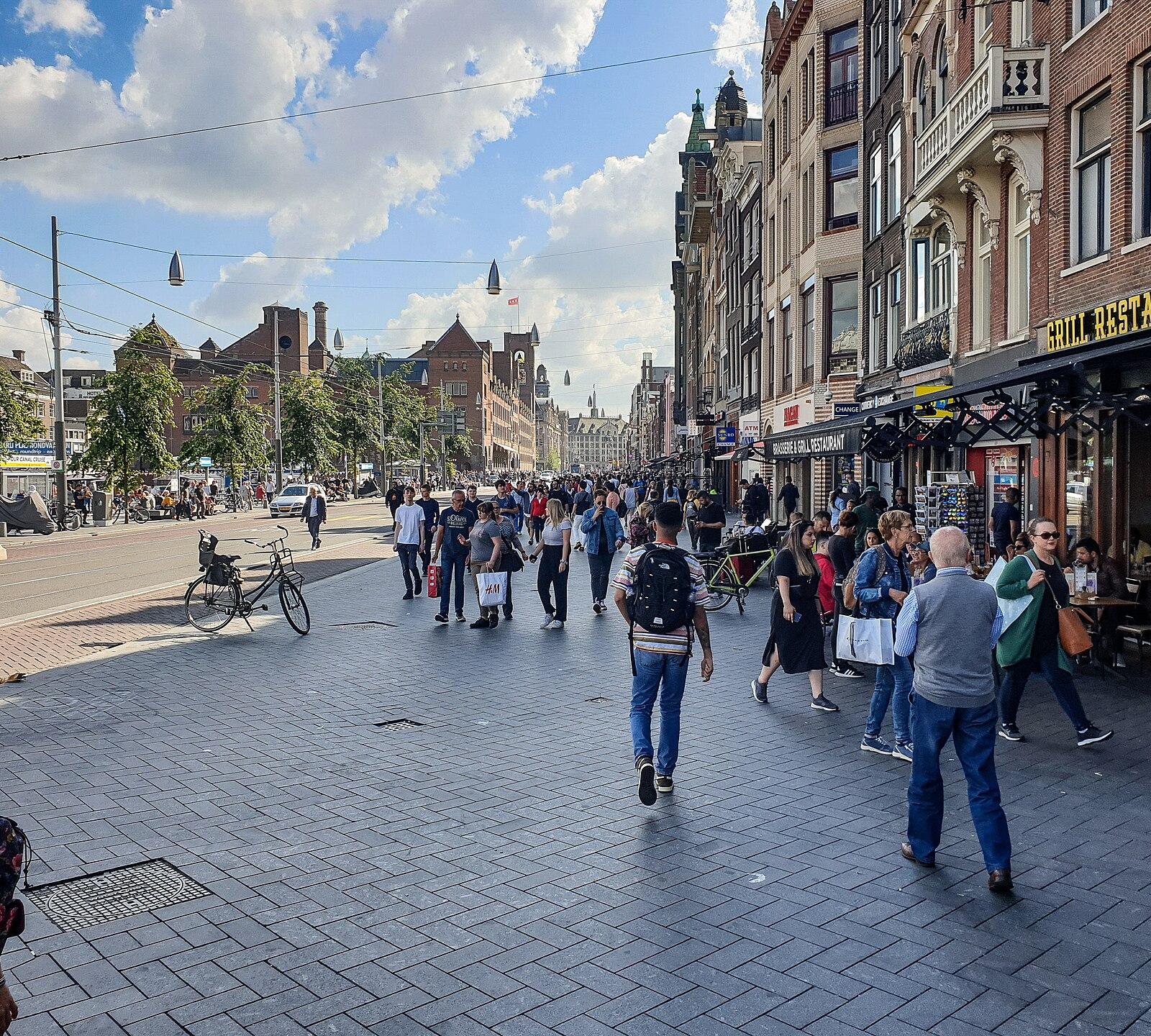
Amsterdam’s economy is facing a complex mix of opportunities and challenges as the city wrestles with its severe housing shortage, evolving tourism restrictions, and shifting industrial demands. Various officials, policy experts, and key stakeholders have offered measured assessments in recent weeks, highlighting the ramifications for local businesses, residents, and public services.
Understanding the economic pulse is critical at this moment because the city’s growth intersects with a housing crisis intensified by migration and demand, as well as pressure on infrastructure exacerbated by current policies on nitrogen emissions and tourist flows. This juncture influences municipal budget allocations, business confidence, and the broader quality of life, making expert perspectives essential to gauge Amsterdam’s trajectory.
The Local Context: Housing, Tourism, and Tech
Amsterdam’s longstanding housing shortage remains a focal concern affecting the economic environment. Rising rents and limited availability affect workforce stability and consumer spending. City officials from the D66-led coalition have underscored ongoing efforts to expand affordable housing, yet experts note that supply still lags demand substantially. The ban on cruise ships entering the city center, part of Amsterdam’s overtourism management strategy, has been another significant local development aimed at preserving urban livability. This policy shift influences numerous service sectors tied to tourism, particularly in neighborhoods like the Canal Belt and Jordaan.
The technological sector continues to attract international companies to Amsterdam, contributing to a diversified economic base. Expanding cycling infrastructure has also been lauded for improving accessibility and supporting local commerce, although these investments must be balanced against concerns about nitrogen pollution and agricultural protests affecting supply chains around city markets.
Voices from the Field: Officials and Experts Speak
City governance representatives emphasize the importance of sustainable growth, acknowledging that economic vitality depends heavily on addressing housing affordability and infrastructure. Experts in urban economics express cautious optimism, noting that Amsterdam’s diverse economy and global tech presence provide resilience. At the same time, they warn that unresolved tensions over nitrogen regulations and transportation could dampen growth momentum.
Several key figures in local economic development stress that while Amsterdam’s appeal as a hub for innovation and culture remains strong, balancing tourism with residents' quality of life is becoming a pivotal challenge. The cruise ship ban serves as a litmus test for how well the city can regulate visitor volumes without undermining economic activity reliant on tourism.
The city’s economic indicators reveal a nuanced picture. Although definitive statistics on growth rates or unemployment were not available in recent public briefings, qualitative evidence points toward steady business activity tempered by affordability challenges and regulatory adjustments. The broader European context of environmental mandates and fluctuating international travel patterns adds further complexity to Amsterdam’s local economy.
Moving forward, officials and experts alike urge stakeholders to engage collaboratively on integrated solutions addressing housing, transportation, and environmental goals. For residents and businesses, staying informed about municipal programs aimed at housing development and sustainable urban mobility will be crucial in navigating the months ahead. The city’s commitment to expanding cycling networks and managing tourist influxes suggests continuing evolution in economic dynamics, requiring attentiveness and adaptability from all sectors.