news
Affected Residents Describe Impacts of City Governance Choices
Community members in Amsterdam outline how decisions on housing and visitor management shape their daily routines and neighborhood stability.
How we reported this
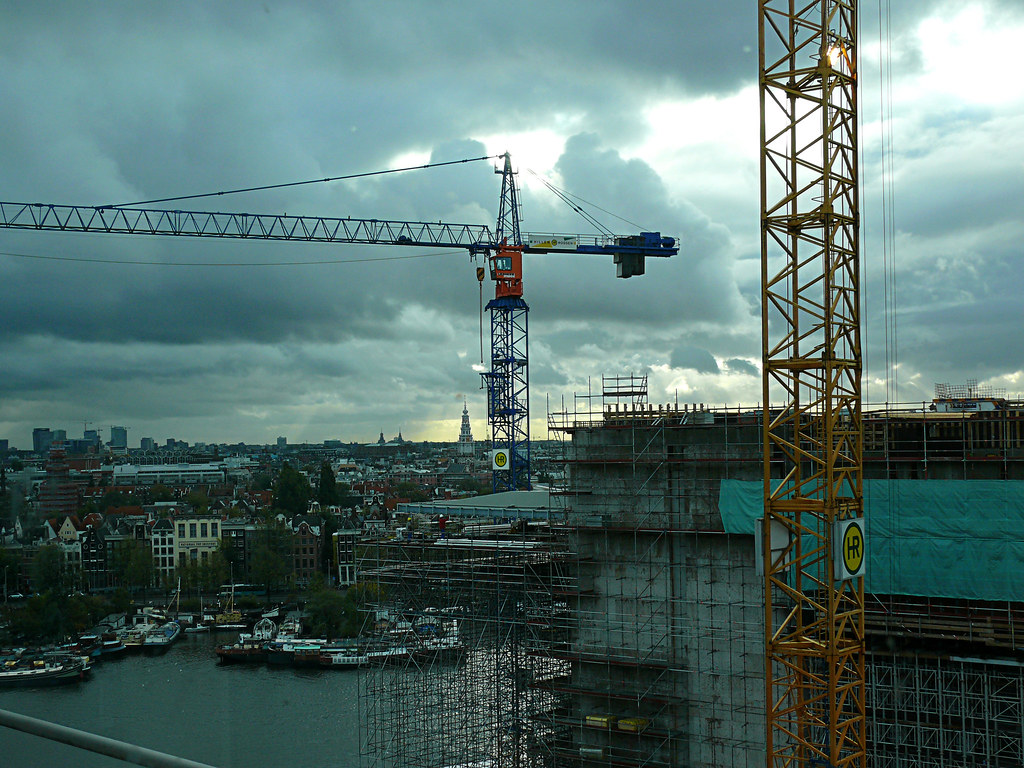
Residents across Amsterdam are describing how choices by the city coalition have altered their access to housing and the character of their streets.
These comments come as the D66-led administration continues to address long-standing pressures on living space and visitor numbers. The issues touch renters, small business owners and families who rely on stable neighborhoods for work and daily movement.
Daily Pressures Described by Locals
Many people point to the shortage of affordable homes as the central concern. They explain that new arrivals and young adults often compete for the same limited stock, forcing some to leave the city or share crowded units for longer than planned. Others note that rules limiting large cruise arrivals have reduced foot traffic in central areas, which some shopkeepers say has eased crowding but also cut into certain seasonal sales.
Additional remarks focus on cycling routes and the presence of international offices. Residents say expanded bike paths have made some streets safer for children and commuters, yet they add that construction around new tech buildings sometimes blocks sidewalks for weeks at a time. Farmers outside the city limits have also shared views on nitrogen rules, linking those policies to changes in food supply chains that reach Amsterdam markets.
Practical Effects on Neighborhood Life
Qualitative accounts from different age groups show a pattern of adaptation. Older residents mention that reduced large-group tourism has made certain squares quieter in the evenings, allowing more local use of public benches. Younger workers describe how the same housing shortage delays moves into independent apartments, keeping many in shared flats well into their thirties.
These observations remain consistent across conversations held in recent weeks. No single policy has produced uniform outcomes; instead, the effects vary by street and by household income. City staff continue to collect input through regular meetings and written submissions as further adjustments are considered.