news
Amsterdam Residents Battle Housing Shortage, Tourism Surge Strains Economy
Local voices reveal how the city’s economic shifts impact daily life amidst ongoing housing shortages and tourism management efforts.
How we reported this
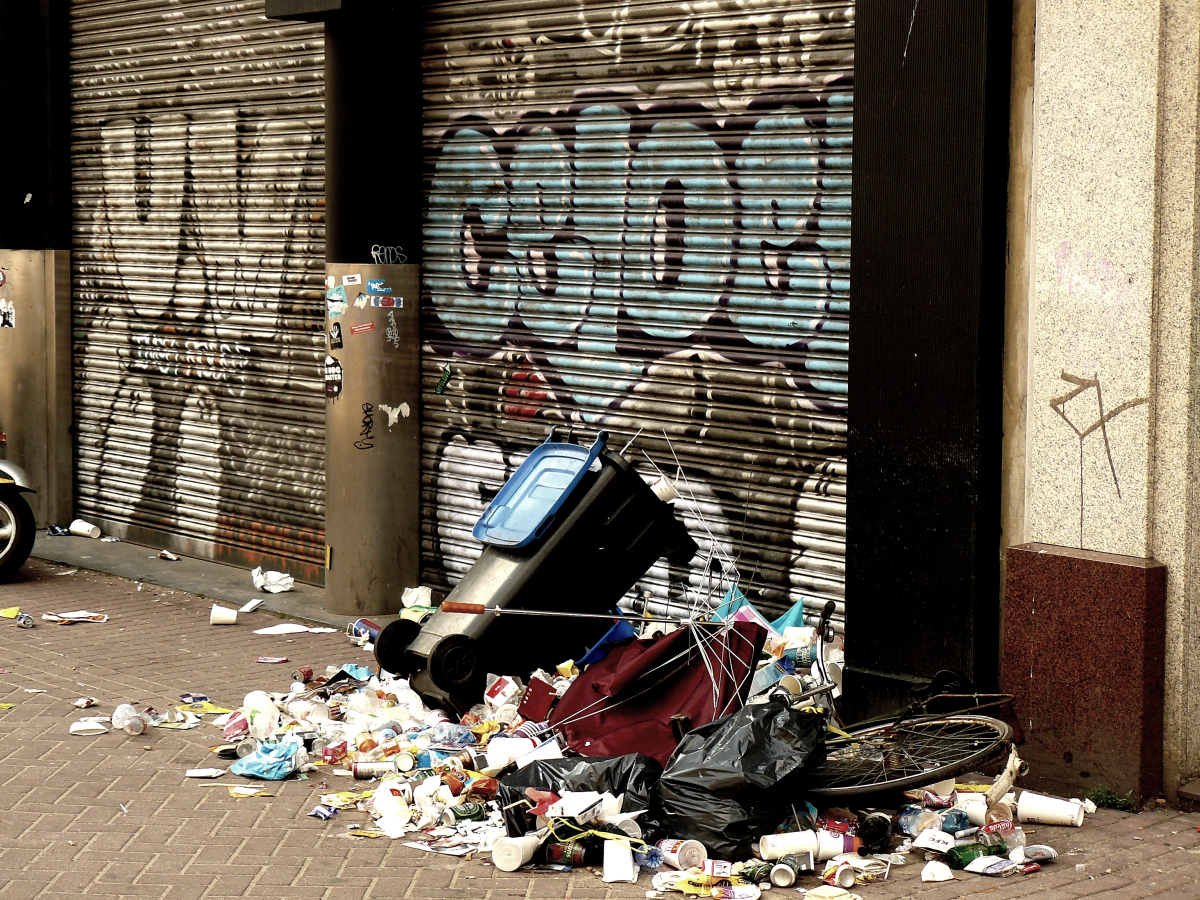
Amsterdam is facing mounting economic challenges that locals say are impacting their quality of life. Community members across neighbourhoods describe the pressures from soaring housing costs and the city’s efforts to curtail overtourism through limits on cruise ships and expanded cycling infrastructure.
The significance of the current economic environment is linked to several intersecting factors: a severe shortage of affordable housing, active measures to reduce mass tourism traffic, and a policy shift favouring sustainable urban development. These changes, orchestrated partly by the city’s D66-led coalition government, are creating tensions that touch citizens’ daily routines and economic wellbeing.
Struggles in the Neighbourhoods
Residents from areas like Jordaan and De Pijp report feeling the squeeze as rental prices remain unattainable for many, aligning with long-standing complaints about the lack of affordable housing. The shortage is especially acute among younger adults and lower-income families, many of whom note that their monthly rent has grown beyond their means despite stable local wages.
Additionally, restrictions on cruise ship arrivals at the city’s port, which took effect following municipal decisions aimed at managing overtourism, have had mixed reactions. While some business owners in the city centre express concern over reduced visitor numbers, local residents welcome the quieter streets and less congested neighborhoods.
Meanwhile, expansion of cycling infrastructure, such as the new lanes along Amstelveenseweg and improvements near Vondelpark, has generally been received positively for promoting greener transport. Yet some small shop owners worry about lost parking spaces and decreased car traffic contributing to lower sales.
Perspectives on the Economic Shift
Without new since-2026 public data on income or rent levels, the evidence for widespread economic strain rests on anecdotal accounts and observed shifts in neighbourhood dynamics. Community discussions consistently highlight increased daily expenses and difficulty finding stable housing as chief concerns. The economic pressures coincide with broader city policies, including nitrogen emissions regulations impacting nearby rural areas and their agricultural outputs, which in turn influence food prices and supply chains.
Local organisations active in social housing and urban planning emphasize the necessity of balancing growth and livability. They argue that long-term solutions require coordinated action between city officials, developers, and community representatives to alleviate economic hardships while sustaining Amsterdam’s cultural and environmental standards.
Looking ahead, residents suggest a need for transparent dialogue with policymakers and a revisiting of the pace and nature of housing development projects. Many advocate for increased investment in affordable housing stock as a practical step to address the economic pressures experienced across the city.
Those navigating these shifts advise community members to engage with local neighbourhood committees, stay informed about municipal initiatives, and explore alternative housing cooperatives as possible coping strategies during this challenging economic phase.