news
Amsterdam Faces Critical Economic Decisions Amid Growing Challenges Ahead
With several pressing issues shaping the city’s economic landscape, Amsterdam faces pivotal choices that will influence growth and quality of life in the years ahead.
How we reported this
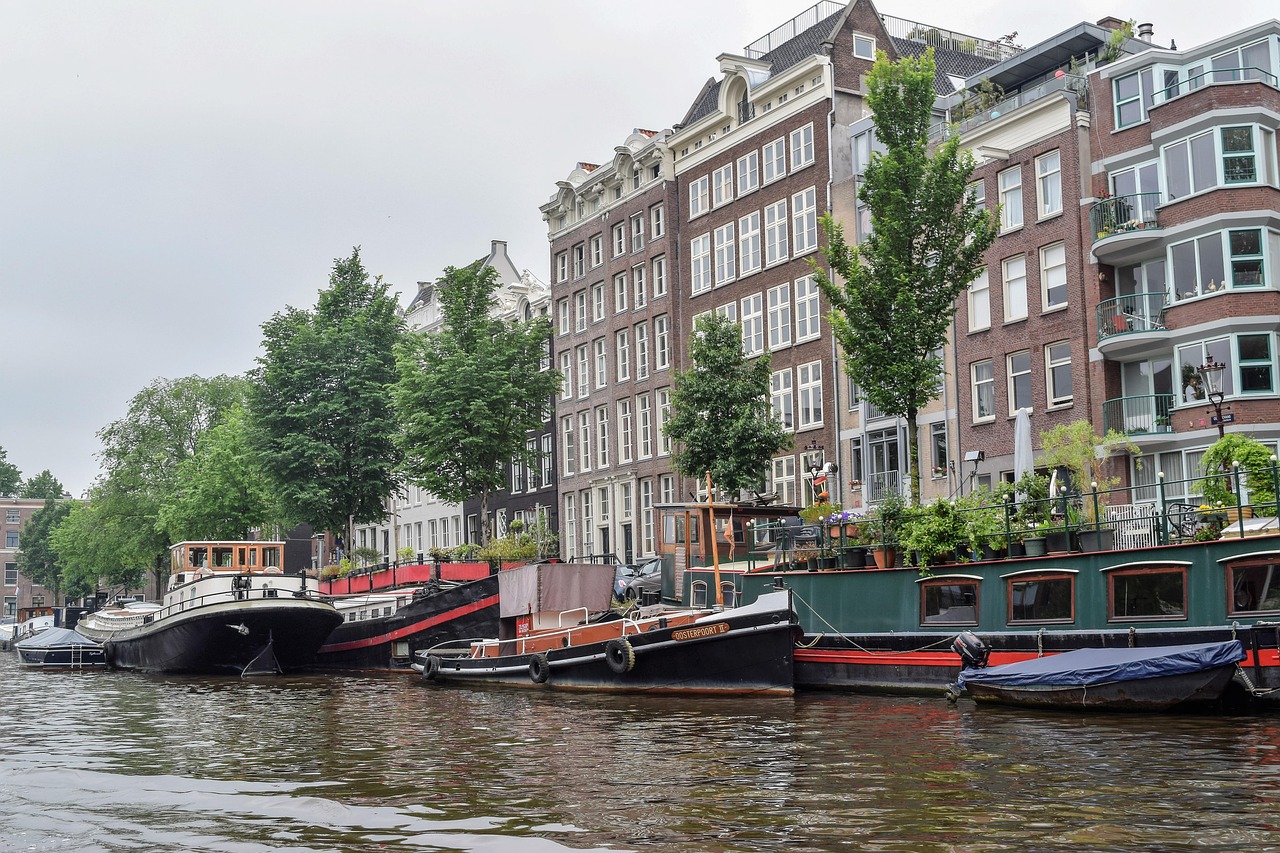
Amsterdam’s local economy is confronting a complex set of challenges that bring urgent decisions to the forefront. From managing overtourism and its impact on housing, to balancing the priorities of a growing tech sector with sustainability goals, the city’s leadership must navigate a tightrope of competing interests.
Immediate Pressures on Housing and Infrastructure
Housing shortages remain the city’s most visible economic bottleneck. The current coalition government, led by D66, has made expanding affordable housing a priority, but ongoing nitrogen regulations that affect nearby farmers have complicated construction efforts. This dynamic creates delays for projects crucial to accommodating Amsterdam’s expanding workforce, which includes a growing segment tied to international tech companies.
Overtourism also remains a thorny issue. The city’s widely publicised ban on cruise ships docking in the central canal area reflects efforts to ease pressure on central neighbourhoods famous for their narrow streets and historic charm. This measure aims to reduce strain on infrastructure and residential life, yet it also raises concerns about how tourism revenue might be affected, especially in venues such as the city’s museums and cultural landmarks.
Balancing Growth with Sustainability and Quality of Life
Cycling infrastructure expansion stands out as a beacon of sustainable urban planning. Investments into bike lanes and safer routes across districts like De Pijp and Amsterdam-Oost not only protect the environment but also enhance daily economic activity by improving mobility for workers and consumers alike. Meanwhile, nitrogen policies continue to influence ongoing debates, pressing city officials to consider how to reconcile environmental commitments with economic development.
Amsterdam’s economy is further shaped by its position as a tech hub. The presence of international firms brings lucrative jobs but also drives up housing demand and living costs. Managing this interplay without exacerbating inequality will require choices on zoning, incentives, and public transport connections between residential and business zones.
Practical evidence of these pressures is seen in constrained project timelines and localized protests by farmers near the city outskirts, illustrating the fragile link between urban growth and regional environmental concerns. While precise figures on housing completions or economic output aren’t currently available, the qualitative impact on daily life and investment flows is clear.
Looking ahead, Amsterdam’s city government must prioritize coordinated approaches that include community engagement, clear regulatory pathways for housing projects, and ongoing investment in green infrastructure. Keeping an open dialogue with local rural stakeholders will be essential to avoid further delays on key construction while maintaining the city’s environmental ambitions.
For residents and businesses, staying informed about development plans and participating in public consultations will be crucial. City officials are expected to release updated strategies on housing and transport later this year, which will provide clearer indications of policy direction and economic priorities.
In short, Amsterdam is at a critical juncture where tough but thoughtful decisions can determine whether it sustains inclusive economic growth and improves quality of life or risks further bottlenecks amid competing demands.