news
Global Developments Shape Daily Realities for Amsterdam Residents
International stories prompt residents to weigh effects on housing pressures, travel habits and local stability.
How we reported this
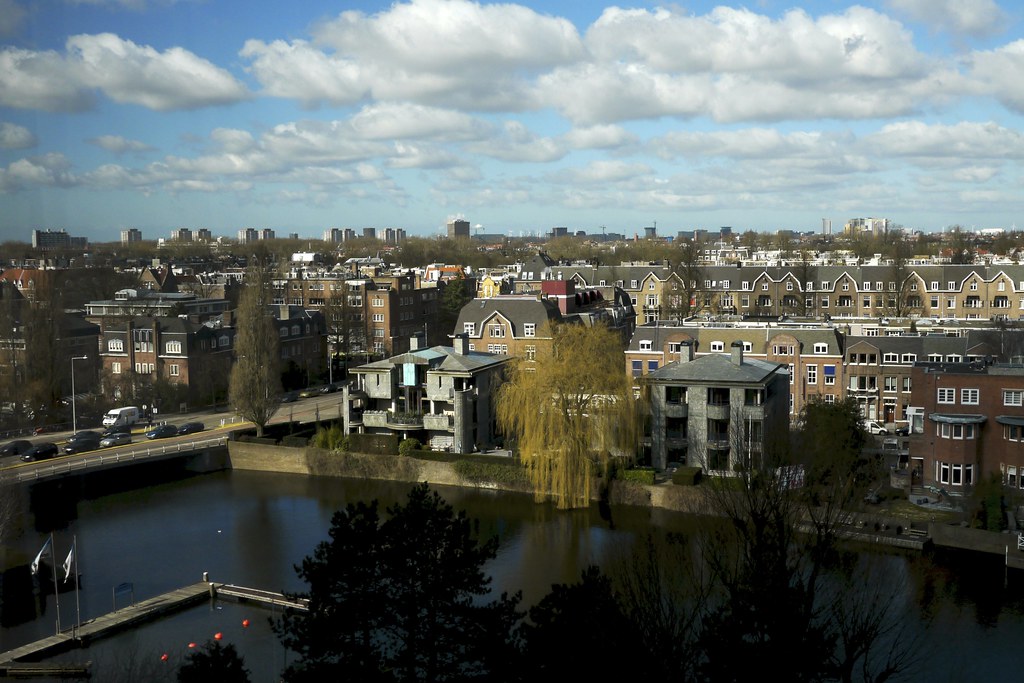
Residents across Amsterdam weigh the reach of distant events into their routines. Reports of conflict in the Strait of Hormuz and wildfires in Spain arrive as the city manages its own housing shortage and limits on cruise arrivals.
These connections matter now because Amsterdam depends on steady energy supplies and visitor flows that support jobs in the service sector. Disruptions abroad can raise costs for heating homes or alter the number of tourists who stay in central districts during peak summer weeks.
Pressures on housing and movement
The ongoing shortage of affordable units in the city centre leaves many households sensitive to any rise in living expenses. When global tensions affect fuel prices, commuters who rely on trains and trams notice the difference in monthly budgets. Neighbourhoods outside the historic core already see longer waits for new construction permits under current nitrogen rules.
City officials continue to enforce the cruise ship ban at the Passenger Terminal Amsterdam. Fewer large vessels reduce crowds on the streets near the Dam but also cut revenue that some businesses counted on for summer trade. Residents in the Jordaan and Plantage areas report mixed results from the policy, with quieter weekends offset by concerns over employment in hospitality.
Looking ahead for local routines
People tracking energy markets and European travel advisories adjust plans for holidays or work trips. Cycling infrastructure upgrades already underway along major routes give residents one reliable option when other transport costs climb. Community groups focused on overtourism continue to meet with local government to balance visitor numbers against daily livability.
City services will keep publishing updates on any shifts in energy availability or visitor statistics. Residents can check municipal websites for changes to public transport fares or construction timelines that respond to wider market conditions.