news
Amsterdam Leaders Navigate Housing, Tourism, Trade Pressures
City leaders face choices on sustaining growth while addressing persistent pressures from housing, tourism and global trade links.
How we reported this
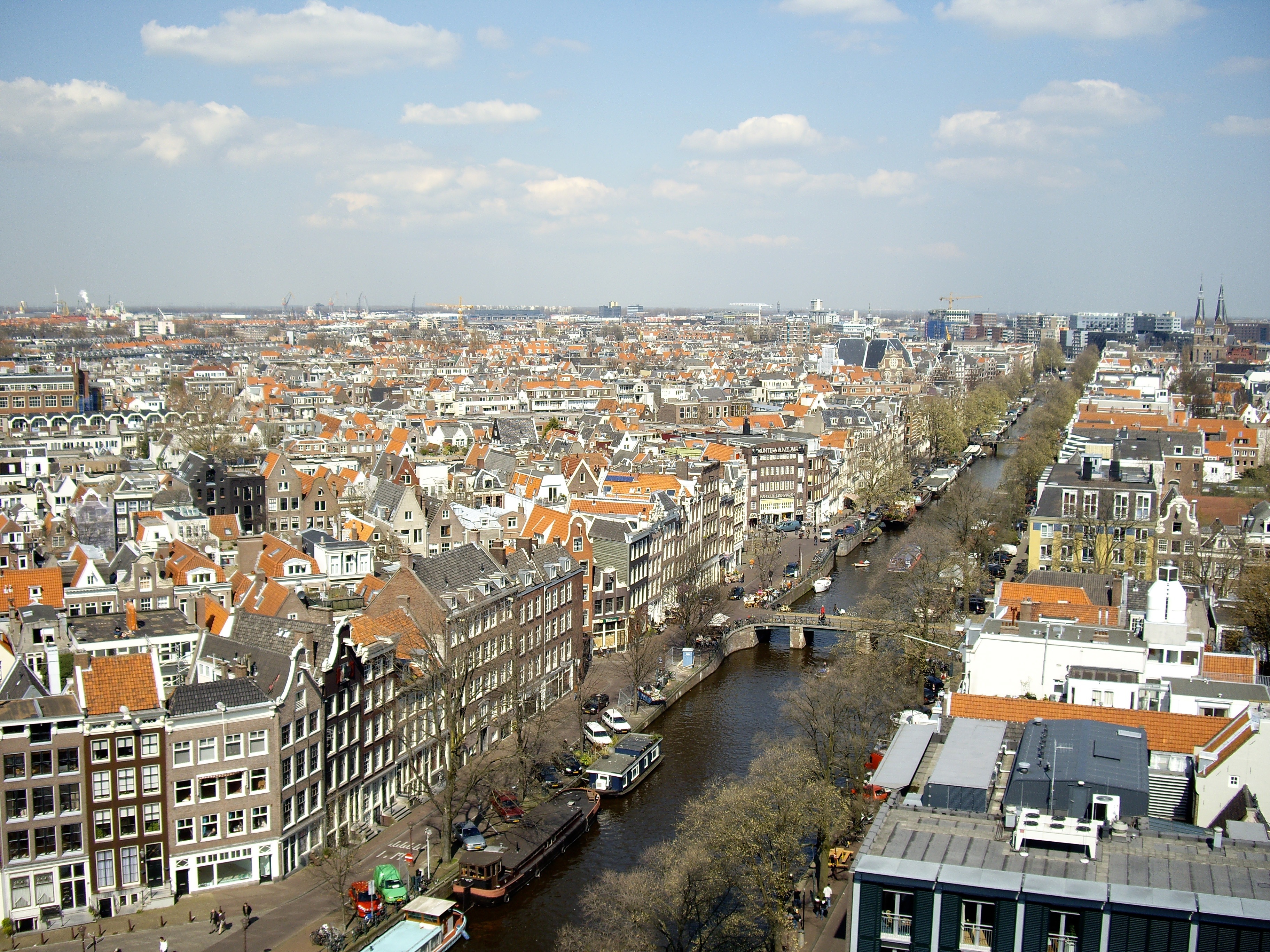
Amsterdam's economy sits at a point where local authorities must chart next steps on several fronts at once.
Global developments in energy routes, climate events and international relations have created fresh uncertainties for trade-dependent sectors in the Netherlands. These external factors intersect with longstanding local challenges such as limited housing supply and visitor management, making the timing of policy choices particularly sensitive for businesses and residents.
Coalition partners including D66 continue to oversee city governance amid these conditions. Discussions centre on how to maintain economic activity in central districts while protecting residential areas from further strain. Cycling network upgrades and the presence of international technology firms remain part of the wider picture, yet questions persist about how these elements fit into longer-term planning.
Pressures on daily operations
Qualitative reports from local operators describe ongoing difficulties in balancing visitor numbers with infrastructure capacity. The cruise ship restrictions already in place have altered port activity, shifting some economic weight toward other forms of commerce. At the same time, nitrogen-related policies continue to influence agricultural supply chains that feed into the regional economy.
Businesses in technology and services note that talent attraction depends on stable housing availability, an issue that has grown more visible in recent years. Without fresh adjustments, these sectors risk slower expansion even as global companies maintain offices in the city.
Choices that lie ahead
City administrators will need to determine priorities for resource allocation across housing initiatives, tourism regulation and infrastructure maintenance. Decisions on these matters will shape how Amsterdam responds to continued external volatility in trade and energy markets.
Stakeholders expect further consultation rounds before concrete measures are finalised. The outcomes will determine whether current economic patterns hold or require recalibration in the months ahead.