news
Amsterdam Tackles Housing Crisis, Climate Policy With Unique Economic Strategy
While grappling with severe housing shortages and climate policies, Amsterdam’s strategies set it apart from global counterparts.
How we reported this
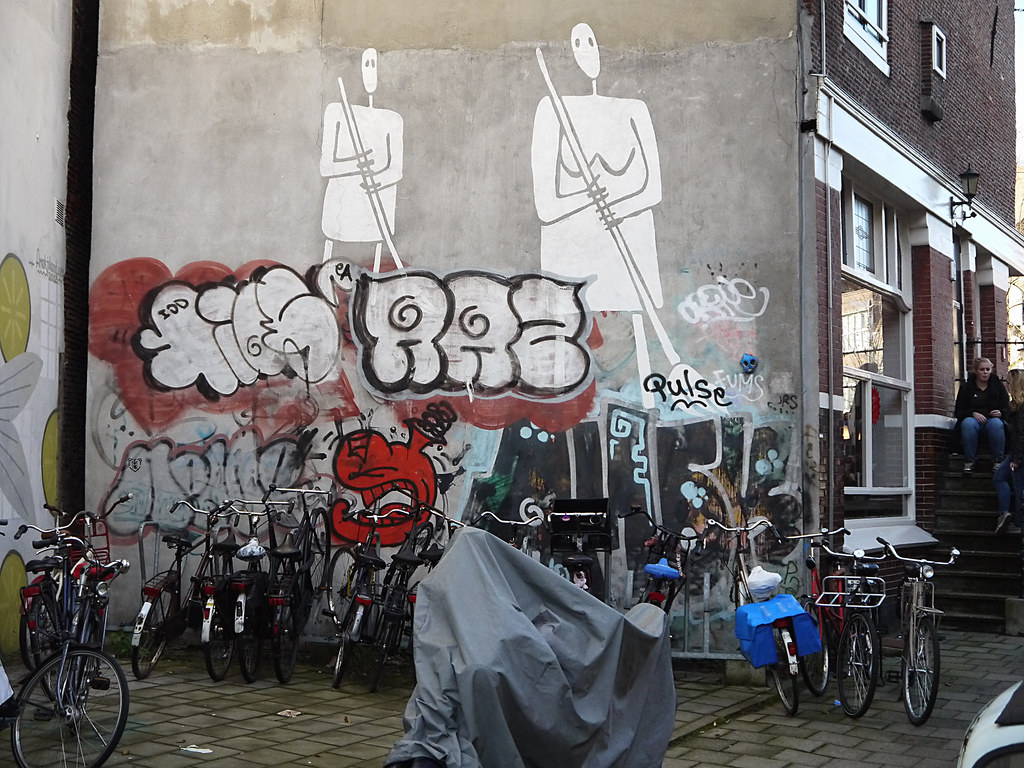
Amsterdam’s local economy faces notable pressures, including housing shortages and sustainability requirements, positioning the city distinctively when compared with other global urban centres. The coalition-led governance under D66 focuses on innovative policy responses, reflecting a pragmatic balance tailored to the city’s unique challenges.
Amid rising concerns over rapid urbanization, housing availability, and environmental regulations, Amsterdam’s approach comes at a critical juncture. Many cities worldwide struggle with similar issues, but Amsterdam’s handling of nitrogen restrictions, overtourism, and infrastructural development exemplifies its adaptive capacity within European urban frameworks.
Local Frameworks and Industry Dynamics
The city administration’s ban on cruise ships in the central canal area illustrates an active stance against overtourism, which impacts local businesses and residents alike. Combined with expanded cycling infrastructure, these moves foster sustainable urban mobility and quality of life improvements. The policy, while curbing some economic activities directly linked to tourism, supports long-term ecological goals and livability.
D66’s coalition governance further prioritizes a stringent nitrogen policy affecting local farmers and construction sectors, which has wide-ranging implications for development projects and the local economy. Navigating the balance between environmental compliance and economic vitality requires ongoing negotiation and adaptation.
Comparative Outlook and Economic Resilience
When viewed against other global cities, Amsterdam’s emphasis on tech company engagement and infrastructure innovation offers a blueprint for resilience. The city’s concentration of international technology firms provides a steady employment base and catalyses further innovation, helping offset challenges posed by housing and regulatory pressures.
Although specific economic data from the city was not available at this time, qualitative indicators suggest Amsterdam’s economy is adjusting through diversified efforts encompassing sustainable transport, environmental regulation, and smart urban planning.
Looking forward, Amsterdam must continue balancing competing priorities: housing demand, environmental limits, and economic growth. Stakeholders advise continuous policy refinement and investment in sectors that support sustainable development and foster economic diversity. Residents and businesses alike should expect ongoing changes as the city’s leadership navigates these intertwined economic and ecological challenges.