news
Amsterdam Schools Face Staff Shortages; City Announces New Funding Plan
City officials announce new funding and policy updates aiming to address staff shortages and improve school infrastructure across Amsterdam.
How we reported this
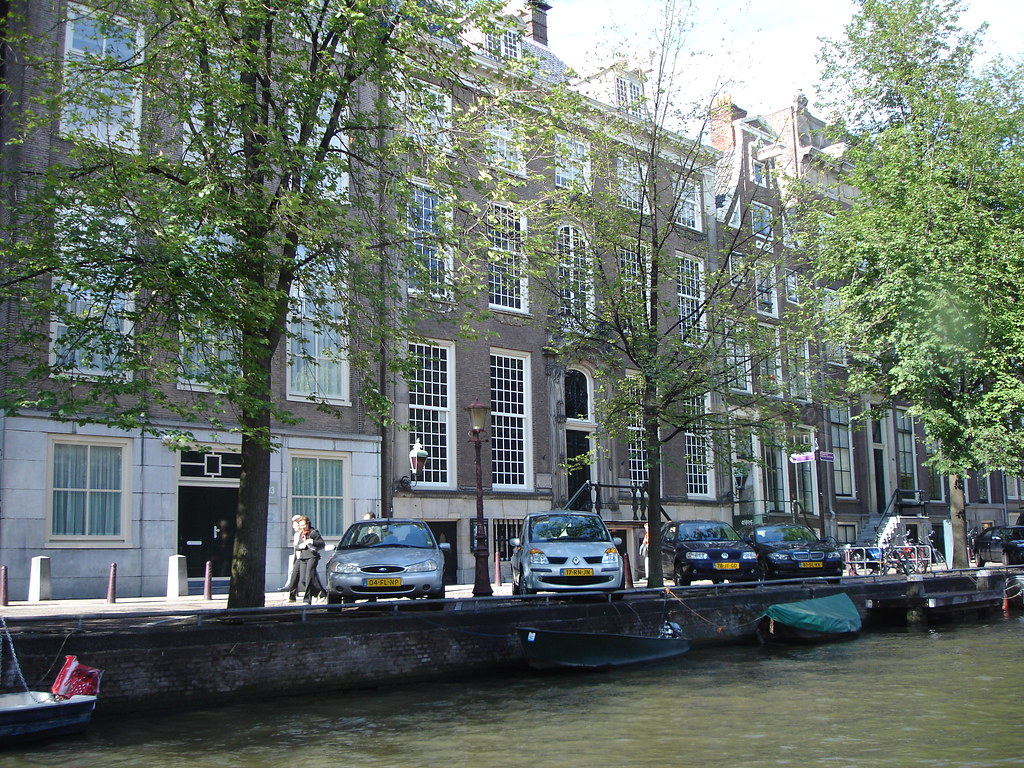
Amsterdam's education landscape experienced notable developments this week as city officials unveiled a multipronged strategy targeting chronic teacher shortages and infrastructure demands. The city's Department of Education announced a €15 million injection to improve facilities and expand teacher training, alongside plans to increase collaboration with local universities.
Why Amsterdam’s Education Challenges Require Immediate Attention
The city's worsening housing crisis and growing student population have put immense pressure on Amsterdam schools. Delays in school expansions, coupled with difficulty in attracting qualified educators, threaten to exacerbate educational inequalities. These issues coincide with broader municipal priorities linked to sustainable urban development and inclusive growth.
With Amsterdam’s population now topping 900,000 and projected to grow further this decade, schools in ageing neighbourhoods face overcrowding and outdated infrastructure. This context has made the recent policy announcements pivotal.
Local Initiatives Target Staff Shortages and Learning Environment Improvements
The education department highlighted initiatives at two neighbourhoods receiving direct funding this year: Amsterdam-West’s De Baarsjes district and the Amsterdam-Noord area. De Baarsjes’ IJplein Secondary School will undergo renovations to add four new classrooms by 2028, while the Montessori Lyceum Amsterdam, located on Bilderdijkstraat, is set to expand teacher training partnerships with the University of Amsterdam.
Among interventions, a pilot program launched in Sloterdijk aims to fast-track trainee teachers through paid internships. This comes amid reports from the Amsterdam Education Workers Union, which has flagged an 18% vacancy rate for teaching roles across municipal schools.
In addition, the expansion of cycling routes around schools, supported by the city's transport plan, aligns with broader efforts to ensure safe commutes for students. Work on creating protected bike lanes along Jan Evertsenstraat near several primary schools is due to start this autumn.
Data Underscores Urgent Need for More Educators and Facilities
Education city data reveals that Amsterdam’s public and private schools collectively have about 12,000 fewer full-time teachers than required to maintain current standards. The shortage extends notably within secondary education where class sizes are averaging 26 students, compared to the national recommended maximum of 20 for core subjects.
Meanwhile, the city forecasts a 7% increase in pupil numbers by 2029, intensifying pressure on existing infrastructure. An audit from May revealed that 27% of school buildings need urgent repairs or modernization, a notable rise from 19% three years prior.
Financially, the city’s €15 million commitment supplements a broader national program that allocated €60 million across the Amsterdam region in 2025 to support school construction and digital learning tools. Each new classroom's build cost averages €250,000, reflecting rising material prices combined with strict urban planning standards.
Next Steps for Parents and Educators
Residents are advised to engage with their local school councils, many of which are organizing information sessions on upcoming facility changes and teacher recruitment drives. The Department of Education plans quarterly updates, with the next briefing scheduled for mid-October at the Tolhuistuin cultural centre in Amsterdam-Noord.
For educators, the Sloterdijk internship program application window opens on 15 July, offering contracts starting September 2026. The city has also announced grants for continuous professional development, aiming to retain talent amid mounting workload challenges.
City officials emphasize that these investments represent a step toward stabilizing Amsterdam's schooling system, though caution that sustained funding and policy adjustments will be necessary as demographic trends evolve.