news
Amsterdam Emergency Services Cut Response Coverage as Staffing Crisis Deepens
With response times climbing and budget pressures mounting, the city's fire brigade and ambulance services must decide between expanding shifts or cutting response coverage in outlying districts.
How we reported this
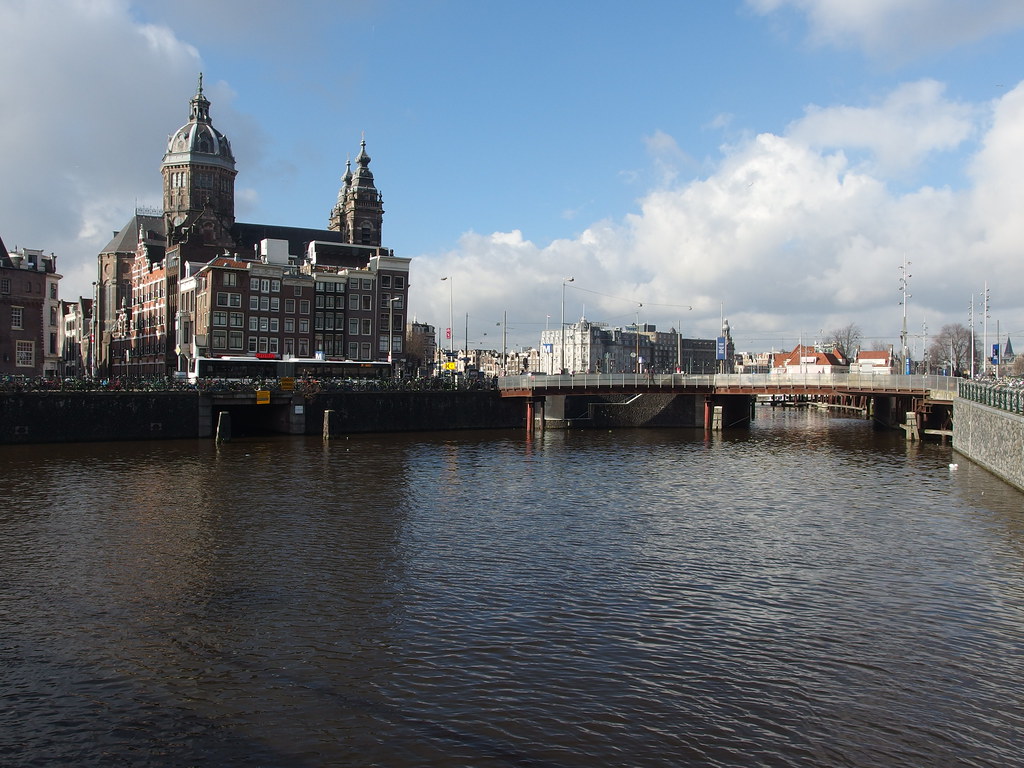
Amsterdam's emergency services are at a crossroads. The fire brigade and ambulance dispatch centre, which handles roughly 180,000 calls annually across the metropolitan area, is running 15 percent below target staffing levels heading into August-precisely when summer holidays typically leave the city vulnerable and response times critical.
The squeeze matters now because the city council's budget cycle for 2027 closes in September, and emergency service leaders must pitch their case before aldermen make cuts or approve expansions. The decisions made in the coming weeks will determine whether Amsterdam maintains current response times or accepts longer waits in neighbourhoods like Oost and Zuidoost, where call volumes have surged 8 percent since 2023.
The Amsterdamse Brandweer, which operates five main fire stations including the historic headquarters on Nes in the city centre and a secondary base in Amsterdam-Noord, currently has 487 active firefighters against a target of 560. The ambulance service, run by Medische Hulpverlening Amsterdam, manages dispatches from its operations centre near Sloterdijk station for roughly 12,000 emergency calls monthly across the metropolitan region. Both services report losing staff to burnout and lower-paid jobs in adjacent municipalities.
The Numbers Behind the Shortage
Average response times for fires within Amsterdam's 219 square kilometres have edged up to 6 minutes 42 seconds from 5 minutes 58 seconds two years ago. For life-threatening medical calls, the 95th percentile response time-the benchmark that matters most-has slipped to 10 minutes 15 seconds, creeping past the city's internal target of 10 minutes. In the Bijlmer district, where complex access problems and denser residential blocks slow vehicle movement, response times regularly exceed 12 minutes during peak hours.
Recruitment and retention are the core problem. A firefighter's starting salary in Amsterdam sits at €2,340 monthly, compared to €2,480 in Utrecht. The city's housing crisis compounds the issue: new emergency service hires cannot afford rental apartments near their assigned stations, forcing long commutes that deepen fatigue. The fire brigade reports 34 staff departures in 2025 alone, with exit interviews citing housing costs and shift stress as primary reasons.
The ambulance service faces different pressures. Its paramedics handle not only trauma and cardiac calls but also increasing numbers of mental health crises and elderly falls-calls that demand time but don't generate the same resource allocation as trauma cases. Medische Hulpverlening Amsterdam logged 4,200 psychiatric emergency calls last year, up 22 percent since 2020.
What Happens Next: Three Scenarios
The emergency services directorate has submitted three budget proposals to the aldermen responsible for public safety. Option one involves hiring 85 new firefighters and 12 paramedics by 2027, at a cost of €6.8 million annually including training and equipment. This would restore full staffing and reduce response times across all districts.
Option two keeps hiring at current levels-roughly 25 firefighters and 6 paramedics annually-but restructures shift patterns to maximize coverage per existing staff. This saves €2.1 million but locks in slower response times in outer neighbourhoods and relies on voluntary overtime that services say is already near burnout thresholds.
Option three redeploys resources by closing the volunteer fire station in Amsterdam-West and consolidating coverage from Nes and the Westpark base. This cuts costs by €1.4 million but extends response times in the canal belt and western residential areas by an estimated 90 seconds on average.
The city council budget hearings begin September 2. Aldermen will weigh these options against other competing needs-the nitrogen crisis has already locked significant resources into agricultural support, and the ongoing cycle route expansion programme requires ongoing investment. Emergency service directors indicate they will push hardest for Option one, arguing that response time degradation creates liability risks and that housing assistance for new recruits, paired with salary adjustments, represents a solvable problem if funded now rather than waiting for crisis-point staffing collapses.
Amsterdam residents and businesses should know the timeline: decisions made this autumn will take effect in the 2027 budget, meaning any response time improvements won't materialize for 18 months. Anyone living or working in outer districts like Oost or Zuidoost should assume current waits remain the baseline through at least mid-2027. The question council must answer is whether the city accepts that as a fact of managing an increasingly dense metropolitan region, or whether emergency response capacity deserves the same infrastructure priority given to trams and bicycle lanes.