news
Amsterdam Officials Make Critical Choices on Housing, Transport, Sustainability
As major projects near critical phases, city officials and residents face pivotal choices on housing, transport, and sustainability.
How we reported this
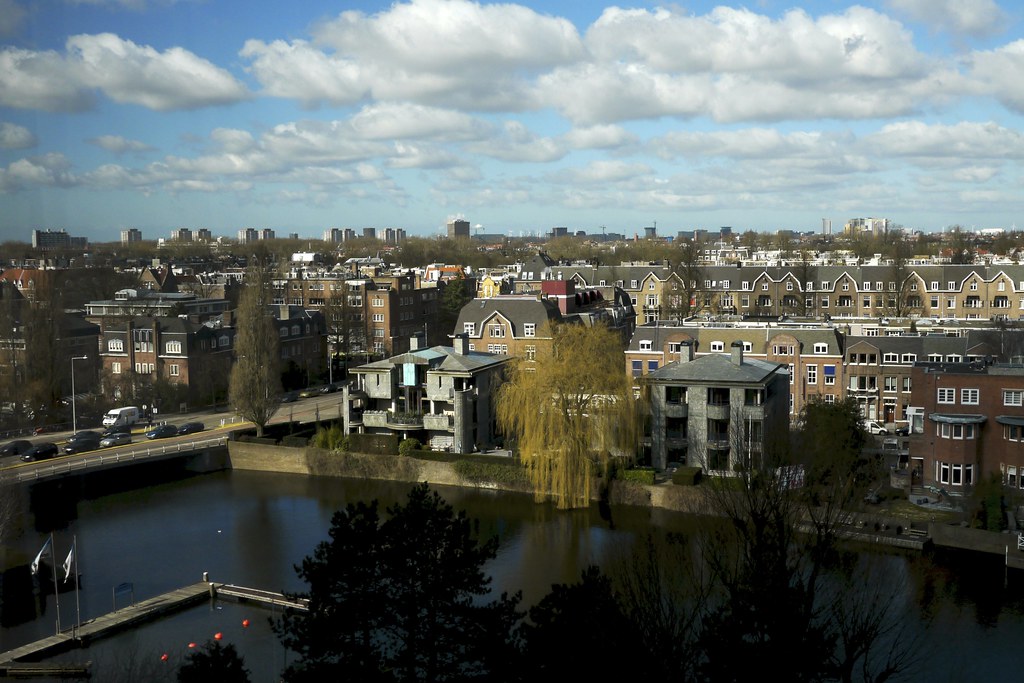
Amsterdam stands at a crucial juncture as several major infrastructure projects approach decisive stages, demanding choices that will shape the city’s development for decades. From expanding cycling networks to addressing the severe housing shortage, city officials must navigate competing priorities amid tight budgets and mounting public pressure.
The Timing and Stakes Behind the Infrastructure Push
The urgency to finalize Amsterdam’s infrastructure plan has intensified this summer amid the coalition city government’s promises to ease the housing crisis and improve urban mobility. With the nitrogen emissions policy restricting construction nationwide, large-scale projects have stalled or slowed, making the coming months vital for either accelerating or recalibrating plans.
In particular, the D66-led city council, which has driven ambitious plans since 2022, faces the dual challenge of managing limited space and resources while responding to vocal citizens concerned about overtourism and environmental impacts. The infrastructure decisions will affect not just housing availability, but the liveability of popular neighbourhoods like De Pijp and Amsterdam-Zuidoost, and will influence the economic prospects of the rapidly evolving Zuidas business district.
Local Projects Under Scrutiny
Two flagship projects encapsulate the crossroads facing Amsterdam: the construction of 5,000 new affordable homes in Amsterdam-Noord under the Buitenplaatsen program, and the planned expansion of cycling lanes along the busy Amstelveenseweg corridor. The housing project aims to alleviate pressure on the city’s rental market, where demand outstrips supply by at least 20,000 units annually, according to city housing data from April 2026.
The cycling infrastructure program, meanwhile, promises safer, wider bike lanes across key routes, including a controversial redesign of the intersection at Van Woustraat and Ceintuurbaan, an area known for congestion and accidents. The city’s cycling office, Fietsersbond Amsterdam, stresses that completing this expansion by 2028 is critical, given that approximately 65% of Amsterdam commuters use bicycles daily.
Data Points Highlighting Challenges
Finance is a decisive factor. The city budget allocated €450 million for infrastructure projects in 2026, but rising construction costs-currently 15% above projections due to material shortages and regulatory compliance-threaten to balloon expenses. The nitrogen issue alone has delayed over 30 construction permits this year, pushing back completion dates by an estimated 12 months on average.
Additionally, a recent survey by the Amsterdam Economic Board revealed that 72% of residents favor prioritizing affordable housing over further commercial development in the Zuidas area, placing political pressure on the coalition to balance competing interests. Meanwhile, the mayor’s office plans a public consultation in September to discuss the future of the cruise ship ban and its indirect effects on city tourism revenue, which surged by 8% in the first quarter of 2026 despite the pandemic recovery phase.
These figures underscore a critical reality: infrastructure projects not only require construction and design solutions but also political consensus and community buy-in.
Looking Ahead: Decisions on the Horizon
With key planning committees set to meet throughout July and August, the city must decide how to allocate resources between stalled housing developments and expanding sustainable transport options. The coalition faces a timetable demanding that final project approvals be in place by November to secure EU green infrastructure grants linked to climate goals.
For Amsterdam residents, the next six months will be a period to watch closely. Those living in areas like Amsterdam-Noord and along Amstelveenseweg should expect public forums to intensify, while local businesses may face temporary disruptions as construction accelerates. City officials are urging patience and participation, emphasizing that community feedback will shape final project details.
In practical terms, residents are advised to stay informed via the city’s official websites and consider engaging with local neighbourhood councils, which are hosting a series of workshops through summer and autumn. Meanwhile, infrastructure planners warn that any further delays-particularly related to the nitrogen policy-could push back completion dates into 2027 or beyond, prolonging current strains on housing and transport.
As Amsterdam balances growth, sustainability, and liveability, the decisions made in this window will have far-reaching consequences, setting the blueprint for the city’s next chapter.