news
How Amsterdam's Fight Against Fake Property Photos Reached a Breaking Point
Years of duplicate and manipulated listing images in the city's housing market have quietly distorted the search for a home, here is how things got this bad.
How we reported this
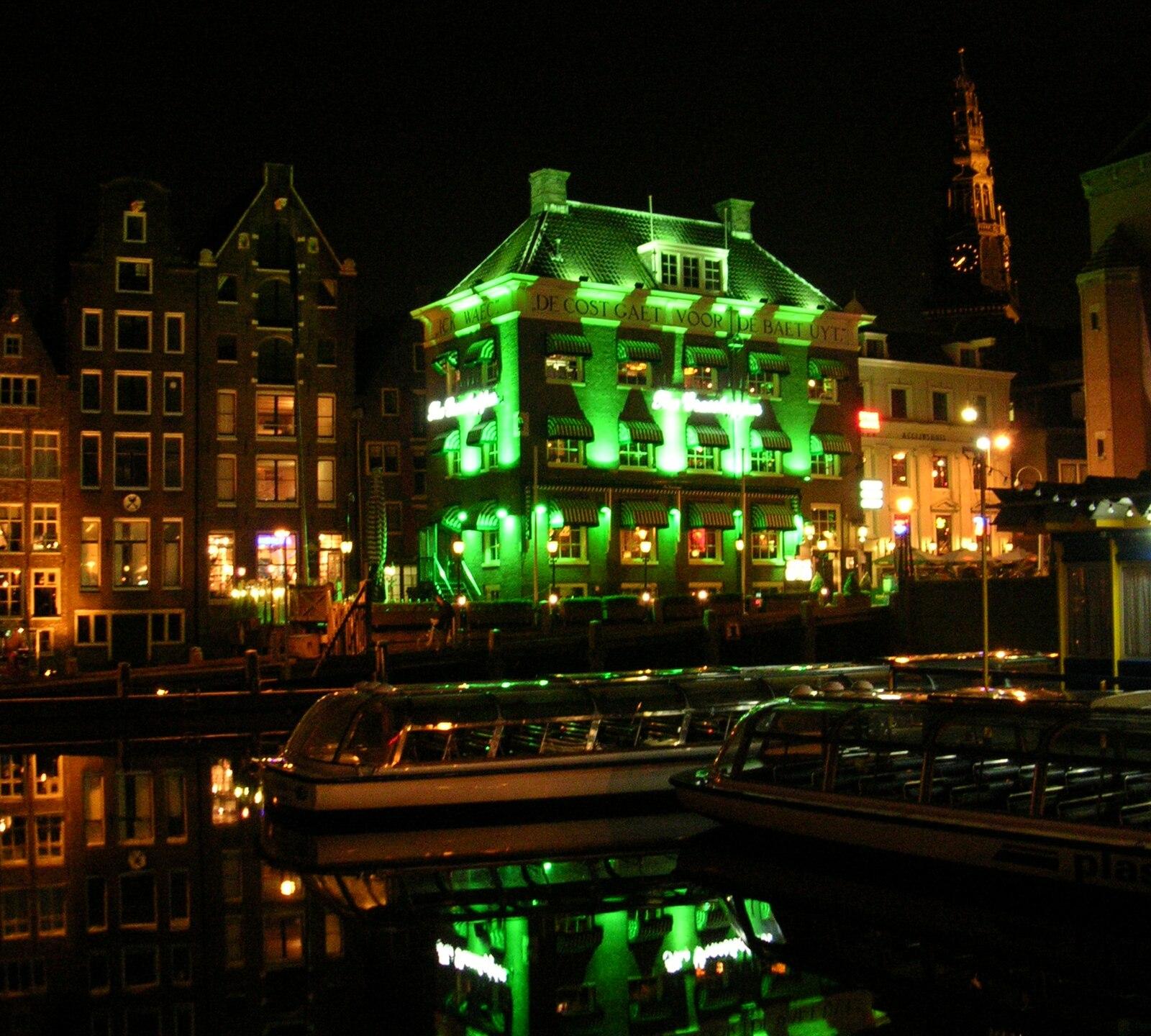
Amsterdam's chronic housing shortage has a less-discussed companion problem: the proliferation of duplicate and digitally altered images recycled across rental and sales listings, making it harder than ever for prospective tenants and buyers to trust what they see before they sign. The practice, attaching the same photograph to multiple, often wildly different properties, has crept into the city's housing ecosystem over roughly a decade, accelerated by the same pressures that turned a tight market into a desperate one.
The issue matters now because the stakes have never been higher. Average listed rents in the private sector in Amsterdam crossed €1,800 per month for a standard two-room apartment in 2024, according to data published by the Amsterdam Municipality. At those prices, prospective tenants and buyers are making life-altering financial commitments, often within hours of seeing a listing, in a market where viewings routinely draw dozens of applicants. A misleading photograph is not a minor inconvenience, it is a mechanism for fraud.
A Market Under Pressure, an Image Problem Born of Speed
The roots of the duplicate-image problem trace back to the explosion of short-term rental platforms in the mid-2010s, when Jordaan-area canal houses and Oud-West studio apartments began appearing simultaneously on long-term housing sites and tourist accommodation platforms. Landlords and intermediaries, managing portfolios across multiple platforms, began repurposing the same professional shoot across listings. The habit stuck. When the city moved to restrict Airbnb-style rentals, Amsterdam capped short-stay nights at 30 per year in 2019 and tightened enforcement further in subsequent years, many of those professionally photographed units cycled back into the long-term market, carrying the same image sets with them.
The problem compounded as intermediary agencies grew. Funda, the dominant Dutch property listings platform, hosts tens of thousands of active Amsterdam listings at any given moment. Its search interface is the primary gateway for most house-hunters. Rivals including Pararius and Kamernet serve the rental segment, particularly for the student and young professional population concentrated in neighbourhoods like De Pijp and Noord. Across all three platforms, civil society organisations and tenant advocacy groups have documented cases of identical interior photographs appearing on properties in different postal codes, sometimes in different cities entirely.
Gemeente Amsterdam's own housing inspectorate, Wonen, has flagged image manipulation as part of broader advertising fraud in its enforcement priorities, grouping it alongside phantom listings and bait-and-switch pricing. The city tightened its Huisvestingsverordening, housing regulations ordinance, in January 2025, placing new obligations on intermediary brokers to verify listing accuracy, but enforcement has lagged behind the scale of the problem.
What Changed, and What Comes Next
Two developments in 2025 shifted the technical side of the equation. First, reverse-image search tools became significantly more accessible to ordinary users; several Dutch tenant support organisations now include step-by-step guides to running listing photographs through search engines before committing to a viewing. Second, Funda began internal trials of automated duplicate-detection software in late 2025, a move reported in the Dutch trade press, though the platform has not publicly confirmed a rollout timeline or the results of that pilot.
The D66-led city coalition included housing market transparency as a stated priority in its 2022-2026 governance agenda, with a specific line item on digital listing integrity. Whether the current administration's successor, elections are scheduled for March 2026, will maintain that focus is an open question that tenant advocacy organisations in the Transvaal and Bos en Lommer districts say they are watching closely.
For now, the practical advice from housing support organisations operating out of locations like the Huisvesting Helpdesk on Plantage Middenlaan is consistent: screenshot every listing image on the day you first see it, run it through a reverse-image search before attending any viewing, and report duplicates directly to the platform and to Gemeente Amsterdam's fraud reporting portal. The tools to protect yourself exist. The institutional systems to make them unnecessary are still catching up.