news
Amsterdam Officials Combat Fake Photos Flooding Housing, Tourism Markets
From rental listings to tourism platforms, duplicate and manipulated images are distorting Amsterdam's already strained housing and hospitality markets, and the city is starting to push back.
How we reported this
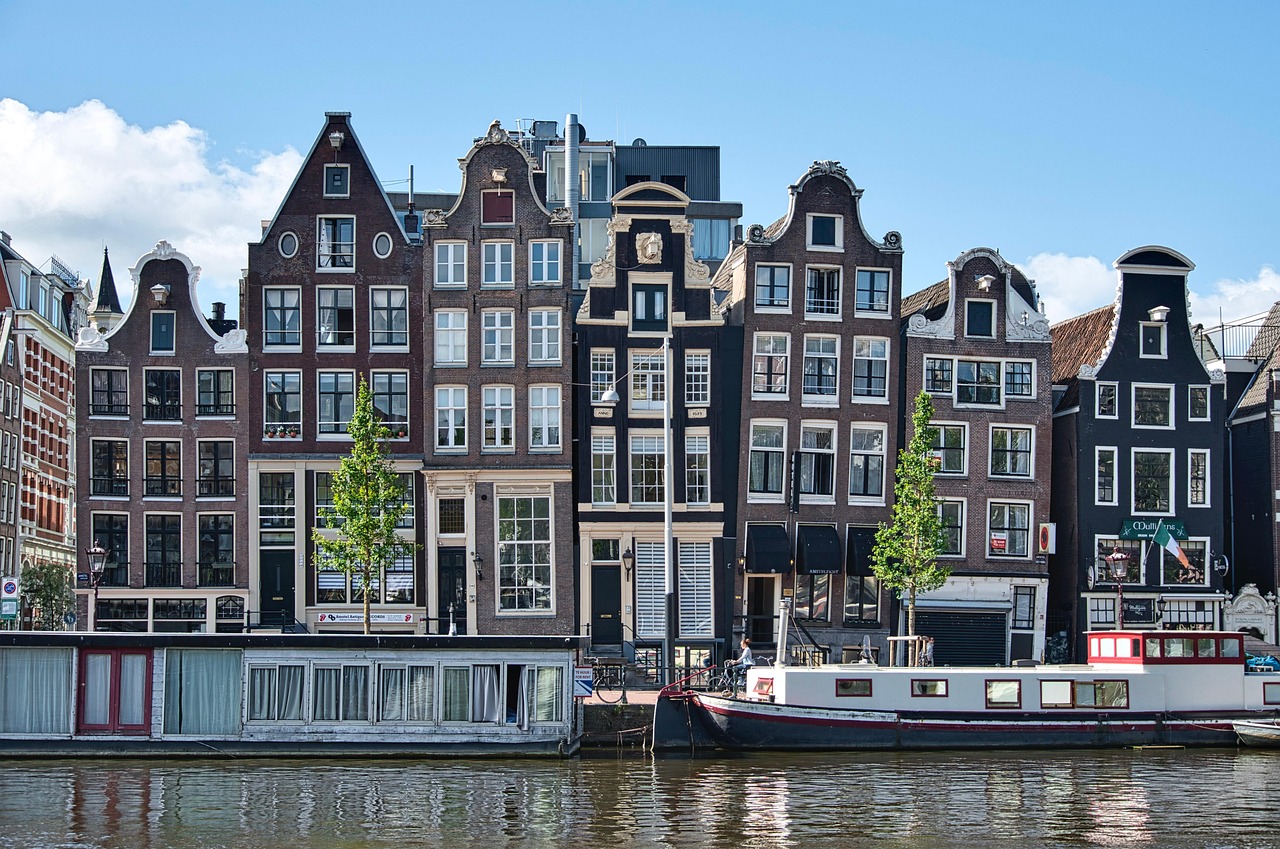
Fraudulent and duplicate property images are circulating across Amsterdam's rental platforms at a scale that housing officials and digital rights researchers say is undermining trust in an already dysfunctional market. The problem, long acknowledged informally, is now drawing formal attention from the municipality and from platform watchdogs operating in the city.
The timing matters. Amsterdam's housing shortage is acute, wait times on the social housing register administered by Woningnet have stretched beyond ten years for many households, and the private rental market has become a hunting ground for misleading listings. Duplicate images, where the same interior photographs are recycled across multiple fake or inflated listings, make it harder for prospective tenants to distinguish legitimate offers from fraud.
The Gemeentelijke Ombudsman, the city's independent complaints watchdog based on Zwanenburgwal, flagged image manipulation in rental advertising as a contributing factor to tenant complaints in its most recent annual review of housing-related grievances. Platform operators, the office noted, bear primary responsibility for detection, but enforcement teeth remain limited under current Dutch consumer law.
Digital Forensics Meets the Jordaan
Researchers at the Institute for Information Law at the University of Amsterdam, whose offices sit near the Oudemanhuispoort book market in the city centre, have been tracking the spread of synthetic and duplicate imagery across short-term rental platforms since early 2025. Their working group has been examining how images first posted on Airbnb-style platforms migrate to longer-term rental sites on Pararius and Funda, sometimes with addresses changed and prices adjusted upward.
The problem is not unique to Amsterdam. Berlin and Barcelona have both seen municipal interventions targeting fraudulent listing imagery. But Amsterdam's combination of a 22 percent decline in available private rental stock since the 2023 rent regulation law took effect, a figure cited by the Amsterdam branch of the NVM estate agents association, makes the impact of each fraudulent listing proportionally more damaging. Fewer genuine listings mean each fake one crowds out real options more severely.
Stadsdeel Centrum and Stadsdeel West, which together cover the Jordaan, De Pijp and the canal belt, generate the highest density of disputed rental listings per square kilometre, according to data presented at a March 2026 session of the gemeenteraad's housing committee. Alderman for Housing Zita Pels has publicly stated the city is exploring mandatory image verification requirements for platforms operating under Amsterdam's short-stay permit system, though no formal ordinance has been adopted as of this week.
Platforms, Policy and What Comes Next
Under the EU's Digital Services Act, which entered full enforcement for large platforms in February 2024, online marketplaces are required to implement risk-mitigation measures for illegal content, a category that legal scholars at the UvA argue should encompass systematically fraudulent listing imagery. The Act's enforcement body, based in Brussels, has not yet issued a specific ruling on duplicate real-estate images, but a preliminary opinion is expected before the end of the third quarter of 2026.
In practical terms, housing advocates at Huurteam Amsterdam, a tenant support organisation with an office on the Czaar Peterstraat in Oostenburg, advise renters to run reverse image searches on any listing photograph before paying a deposit or signing a contract. The organisation reported handling more than 340 complaints related to suspected image fraud in the first five months of 2026, up from 190 in the same period last year.
The municipality is expected to include image-verification language in its updated Platform Policy document, due for a vote in the gemeenteraad before the summer recess ends in late August. Whether that language carries enforcement penalties or remains advisory will determine how seriously the platforms respond. For now, tenants hunting for a flat in the Oud-West or Noord are largely on their own, one reverse image search at a time.