news
Amsterdam Officials Combat Surge of Fake Photos in Housing and Tourism
From housing listings in De Pijp to tourist-board promotions along the Prinsengracht, duplicate and AI-generated images are distorting how Amsterdam is seen, and sold.
How we reported this
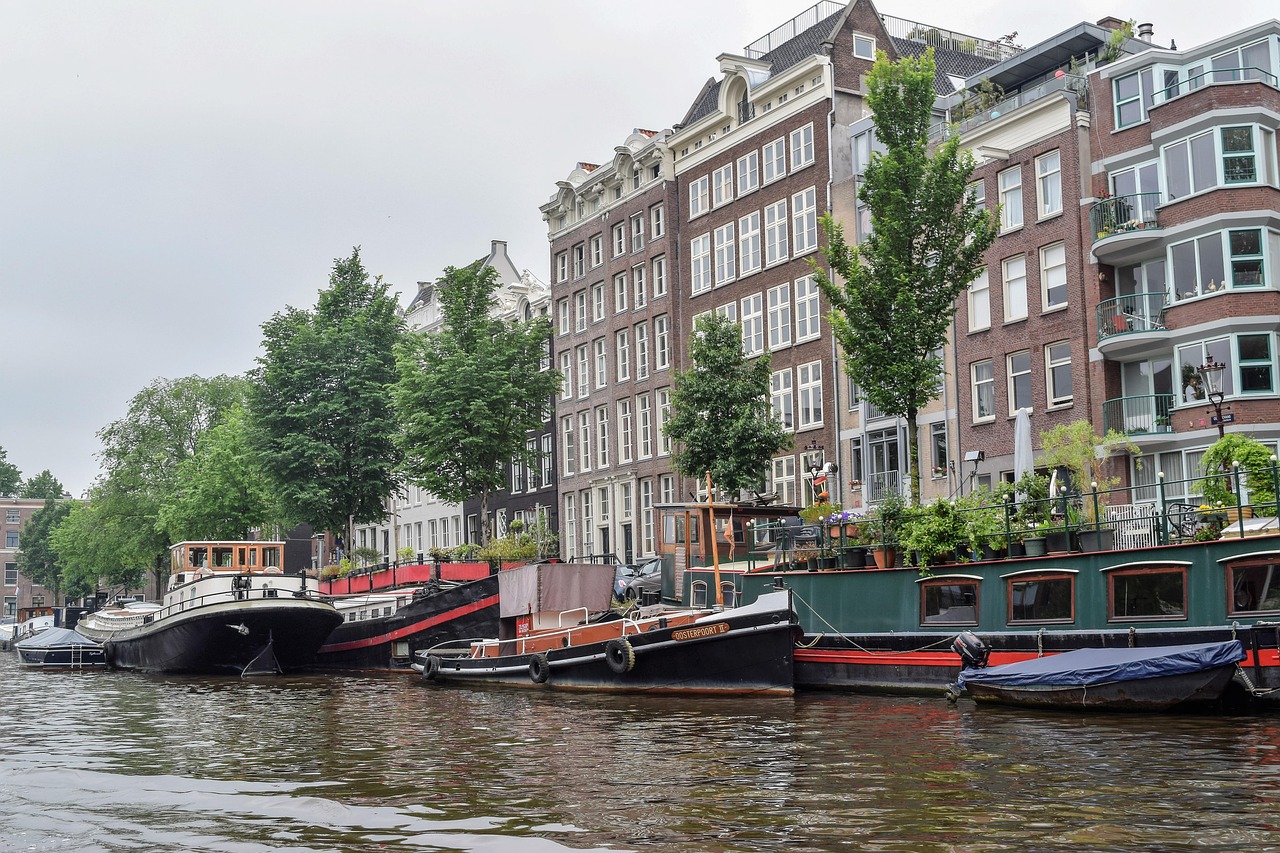
City officials and digital rights specialists are raising fresh alarms about the spread of duplicate and manipulated imagery across Amsterdam's most consequential public platforms, from rental portals to municipal planning documents. The core concern: photographs of streets, properties and landmarks are being recycled, altered or synthetically generated at a scale that is making it harder for residents and policymakers to trust what they are looking at.
The timing matters. Amsterdam's housing market is already under severe pressure, average listed rents in the private sector crossed €2,400 per month earlier this year, according to housing platform data, and the use of misleading property photography has become a recognised tactic in fraudulent and misleading listings. Meanwhile the municipality is digitising decades of planning records and canal-zone surveys as part of the Omgevingsvisie 2050 programme, which maps long-term land use across the entire city. If duplicate or inaccurate imagery contaminates that archive, planners say the downstream consequences could last years.
Where the Problem Is Showing Up
The issue is not confined to one sector. Woningnet, the city's social housing allocation platform, has flagged internal reviews of listing images following complaints from applicants. The Jordaan and Oud-West neighbourhoods, where studio apartments are routinely photographed to appear larger or better-lit than they are, have generated a disproportionate share of the complaints, according to housing advocacy group Woonopstand, which has been tracking fraudulent listings since 2023.
The Amsterdam Tourism & Convention Board, which rebranded under the city's broader visitor-management push, has itself grappled with the problem. Promotional images of the Rijksmuseum garden and the Bloemenmarkt on the Singel have circulated on third-party booking sites in versions that have been digitally cleaned, seasonally altered, or outright replaced with stock photography of other European cities. The board has not publicly quantified how many images are affected, but it acknowledged the problem in its 2025 annual review.
At the Amsterdam University of Applied Sciences, the Hogeschool van Amsterdam, whose media technology faculty sits on the Rhijnspoorplein, researchers have been developing detection tools specifically calibrated to Dutch urban photography. The faculty's work, part of a broader European project on visual misinformation funded under the Horizon Europe framework, focuses on perceptual hashing and metadata forensics. Early findings presented at a February 2026 symposium suggested that roughly one in eight images on major Dutch rental platforms showed signs of duplication or manipulation, a figure the researchers described as conservative.
What Needs to Happen, and When
The municipal digital infrastructure team, operating under the Directie Digitalisering within Amsterdam's city hall on Amstel 1, is working toward a verification standard for imagery used in official planning consultations. A draft protocol was circulated to stakeholders in May 2026, with a response deadline of 1 September. The proposal would require that photographs submitted as part of permit applications carry cryptographic provenance metadata compliant with the C2PA standard, the same open specification adopted by major camera manufacturers and news agencies internationally.
Digital rights lawyers in the city point to the EU's AI Act, which came into full effect for high-risk applications in August 2025, as providing a partial legal hook. Synthetic images used to influence housing decisions or public planning processes could, they argue, fall within the regulation's scope, though enforcement remains untested in Dutch courts.
For ordinary renters, the practical advice from Woonopstand is blunt: reverse-image search every photograph in a listing before signing anything, request a live video walkthrough, and report suspicious imagery to the Autoriteit Consument & Markt, the national consumer and markets regulator. The ACM opened a dedicated digital-markets complaints channel in January 2026. The municipality has also expanded its Meldpunt Woonoverlast, originally a noise and nuisance hotline, to accept reports of deceptive rental practices, including fake photography, as of March this year.
The September protocol deadline gives the city a narrow window to establish rules before the autumn rental rush, when tens of thousands of students and new residents begin searching for accommodation. Whether the draft survives contact with landlord lobby groups and platform operators without being watered down will define how seriously Amsterdam treats the problem it has spent most of 2026 acknowledging.