news
Amsterdam's Image Fraud Problem: What Officials, Experts and Key Figures Are Saying
Duplicate and manipulated images are distorting Amsterdam's housing listings and permit applications, and the people responsible for fixing it are only now finding their voice.
How we reported this
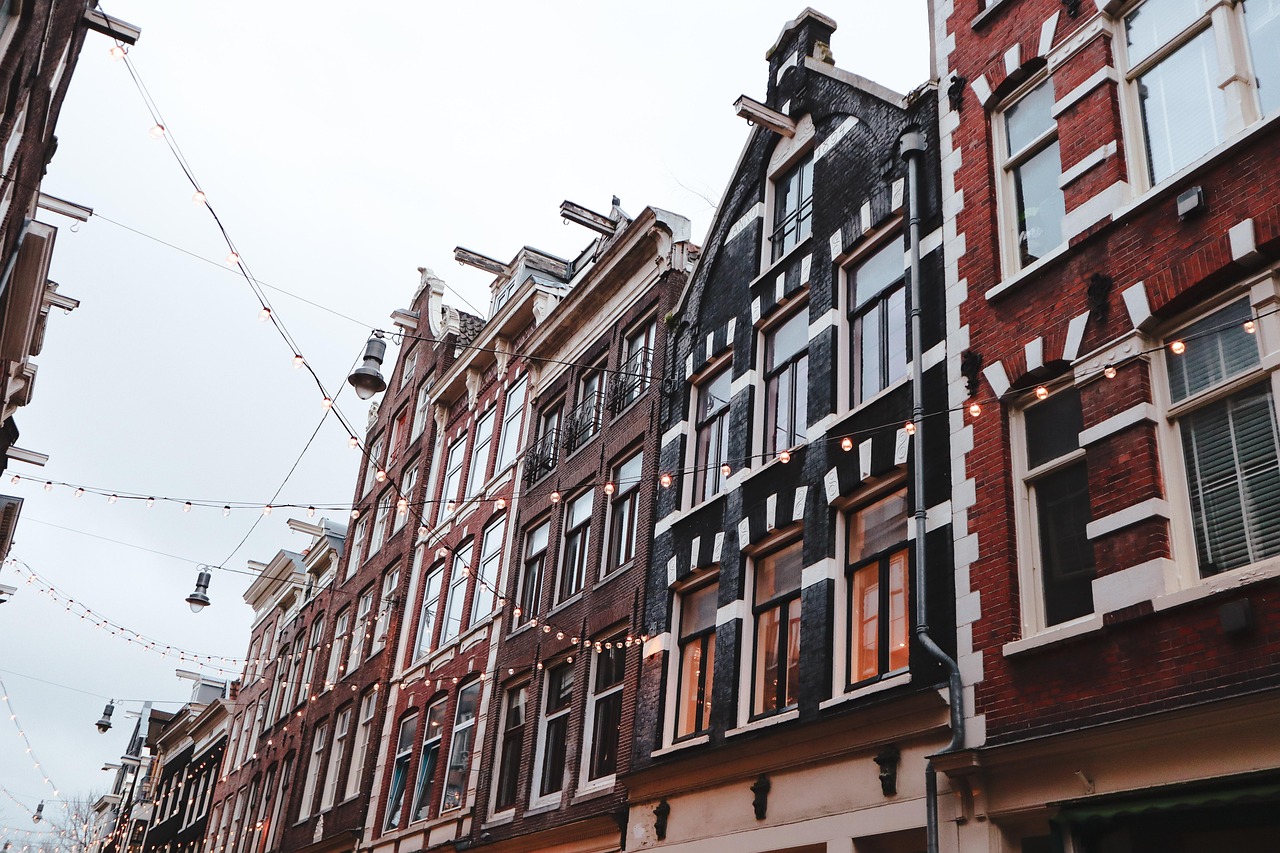
Housing officials at the Gemeente Amsterdam flagged a specific problem late last month: duplicate and doctored photographs are appearing with increasing frequency across rental listings on Funda and Pararius, as well as in permit dossiers submitted to the Omgevingsdienst Noordzeekanaalgebied, the regional environmental authority. The scale is still being assessed, but enforcement teams dealing with the city's short-stay rental crackdown say the image duplication issue is complicating verification work they were already stretched to do.
The timing matters. Amsterdam is in the middle of a multi-year effort to claw back housing stock from the tourist rental market. The city's own figures, published in its 2025 woonagenda, put the number of active enforcement cases related to illegal Airbnb-style lets in the canal ring and De Pijp at more than 1,400 at the close of last year. Fraudulent imagery, the same interior photograph recycled across multiple addresses, or photos of one property used to represent another, makes it harder for inspectors to confirm whether a listed space matches its permit, or exists at all.
Where the Problem Shows Up
Two areas keep coming up in discussions among enforcement professionals: the Jordaan and the stretch of Oud-West running along the Kinkerstraat corridor. Both neighbourhoods have dense concentrations of short-term lets and high property churn. In the Jordaan alone, inspectors from the city's Toezicht en Handhaving directorate carried out more than 200 on-site visits between January and April this year, according to figures presented to the gemeenteraad housing committee in May. Duplicate images, in several of those cases, meant inspectors arrived at an address only to find the interior bore no resemblance to the listing photographs.
Urban data researchers at the Amsterdam Institute for Advanced Metropolitan Solutions, based at the Marineterrein on the IJ waterfront, have been studying the metadata trails left by recycled images. Their working conclusion, presented at an internal workshop in June, is that reverse-image detection tools now used by some European housing platforms can catch the most straightforward cases of copy-paste duplication, but are much weaker against images that have been slightly cropped, colour-shifted, or run through basic editing software. The institute has not published formal findings yet.
Woningnet, the social housing allocation platform that serves Amsterdam and the wider metropolitan region, confirmed in its 2025 annual report that it introduced an image integrity check on listings uploaded by private landlords participating in its intermediate-segment programme. The check runs uploaded photos against a proprietary database of previously submitted images. Woningnet reported 312 flagged matches in the first full year of operation, though the organisation noted that not all matches indicate fraud, some arise from landlords relisting the same legitimate property after a tenancy ends.
What Comes Next for Enforcement
The D66-led coalition's housing alderman has publicly committed to expanding digital verification tools as part of the broader Woonplan 2026-2030 programme, which was approved by the gemeenteraad in March. That plan allocates funding for updated inspection software, though the specific budget line covering image authentication has not been separately disclosed in public documents reviewed by this newspaper.
Legal experts advising the city's huurteams, the tenant support teams operating out of offices in Oost and Noord, point out that duplicate imagery alone rarely constitutes a prosecutable offence under current Dutch housing law. The fraudulent act, they argue, typically lies in what the image misrepresents: a non-existent address, an unlicensed short-let, or a falsified room in a permit application. That distinction shapes how cases are built.
For renters, the practical advice from the Amsterdamse Federatie van Woningcorporaties is blunt: before signing any private rental agreement, use Google Lens or a comparable tool to reverse-search every photograph in a listing. If the same image appears at a different Amsterdam address or in listings from another city, report it to the Meldpunt Onrechtmatige Bewoning before handing over a deposit. The meldpunt received more than 900 reports in the first quarter of 2026, up from 650 in the same period a year earlier.