lifestyle
Amsterdam Neighbors Transform Gardens Into Community Hubs
From community gardens to individual front yards, discover the local people and places nurturing Amsterdam’s vibrant home and garden culture.
How we reported this
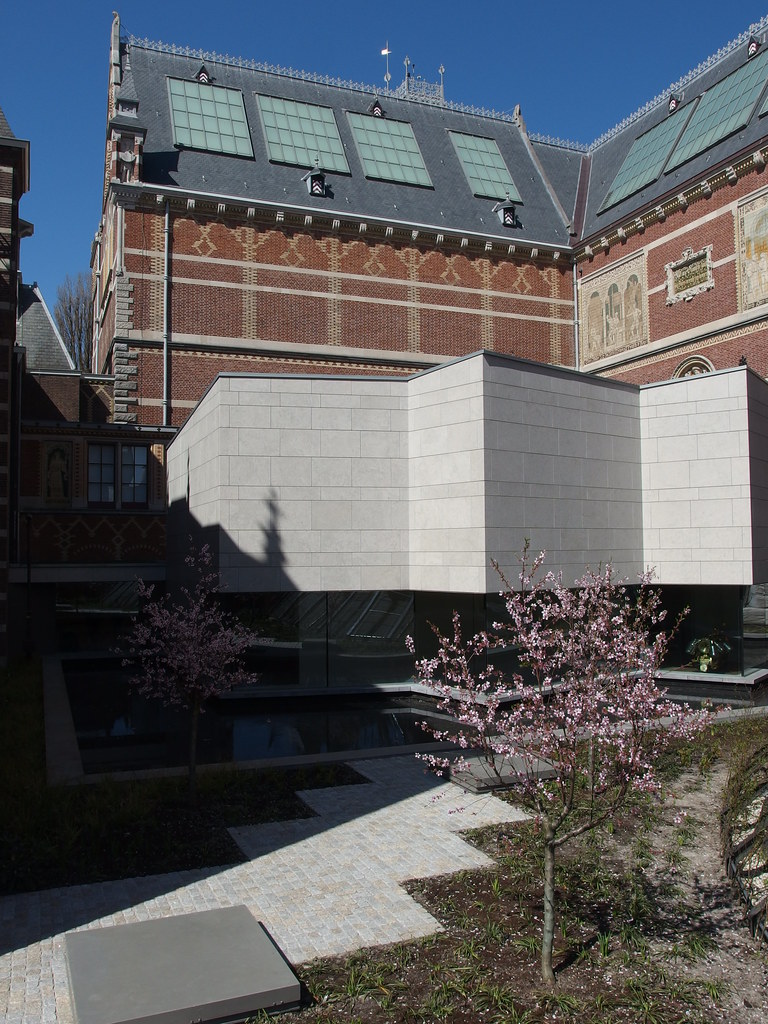
Amsterdam’s home and garden scene is flourishing not only through design and greenery but through the stories and faces of residents who cultivate their spaces with care. In neighbourhoods like De Pijp and Noord, individual owners and community groups are turning ordinary gardens and balconies into hubs of life and interaction, reflecting the city's urban spirit.
Why These Local Stories Matter Now
The timing of this spotlight on home and garden life is no accident. Amid global climate discussions and urban living challenges, Amsterdamers are embracing sustainable practices and community engagement at home. The city’s recent Green Living campaign, launched in April 2026, encourages residents to adopt eco-friendly gardening and fosters local connections. This builds resilience against climate extremes, particularly after April’s unexpected heatwave stressed urban greenery.
Community-led initiatives are becoming increasingly important with rising property prices making private gardens rare. Gardens and shared plots function as vital extensions of living spaces, offering solace and social interaction. Their role in improving mental health, boosting urban biodiversity, and lowering air pollution is gaining public and municipal attention.
Faces and Places Defining Amsterdam’s Garden Culture
The Jonkerbos Community Garden in Amsterdam Noord is emblematic of this trend. Established in 2018 on a former industrial lot on Buiksloterdijk, the garden is maintained by a collective of 40 residents who grow everything from tulips to tomatoes. Monthly workshops on composting and native plants highlight how these spaces educate while they connect. Across the city, in the heart of De Pijp, the colorful front garden of a converted canal house on Tweede van der Helststraat tells a story of a retired schoolteacher who has transformed a modest yard into a pollinator haven.
Local organisations such as Het Groene Brein also provide support and resources for home gardeners looking to diversify plant choices or reduce water usage amid drier summers. Their collaboration with Amsterdam’s Municipality has seen subsidies awarded for installing rainwater barrels in more than 300 homes since last year, aiming to reduce pressure on the city’s drainage system.
At The Hortus Botanicus Amsterdam, visitors can attend special gardening lectures while browsing their native plant section, connecting urban dwellers to regional biodiversity and expert knowledge based in a 17th-century botanical garden.
Data Highlights and Practical Takeaways
Statistics from the Amsterdam Environmental Agency reveal that between 2023 and 2026, the number of active home gardeners in the city increased by 20%, concurrent with a 15% expansion in community garden spaces. The average cost for setting up a modest balcony garden is estimated at €250-€350, including drought-resistant plants and reusable containers. Meanwhile, community plots such as Jonkerbos typically require a membership fee of approximately €60 annually, plus volunteer time.
For residents seeking to start their own green project, the city’s Urban Gardening Program offers grants up to €1,200, specifically aimed at transforming underutilized spaces. Meanwhile, neighbours are encouraged to participate in events like the upcoming Amsterdam Garden Festival in Vondelpark on August 15, bringing together horticulturists, craftspeople, and everyday gardeners to celebrate and learn.
As climate change presents growing challenges, Amsterdam’s residents demonstrate how small-scale green spaces and neighbourly cooperation contribute significantly to quality of life. Whether creating a balcony herb garden or contributing to a shared green plot, the city’s home and garden stories reflect an enduring commitment to community, sustainability, and the character that makes Amsterdam unique.