lifestyle
De Pijp's Dining Scene Defies Global Trends, Sets Amsterdam Apart
A look at how the former working-class district has become a benchmark for the city's approach to global culinary integration.
How we reported this
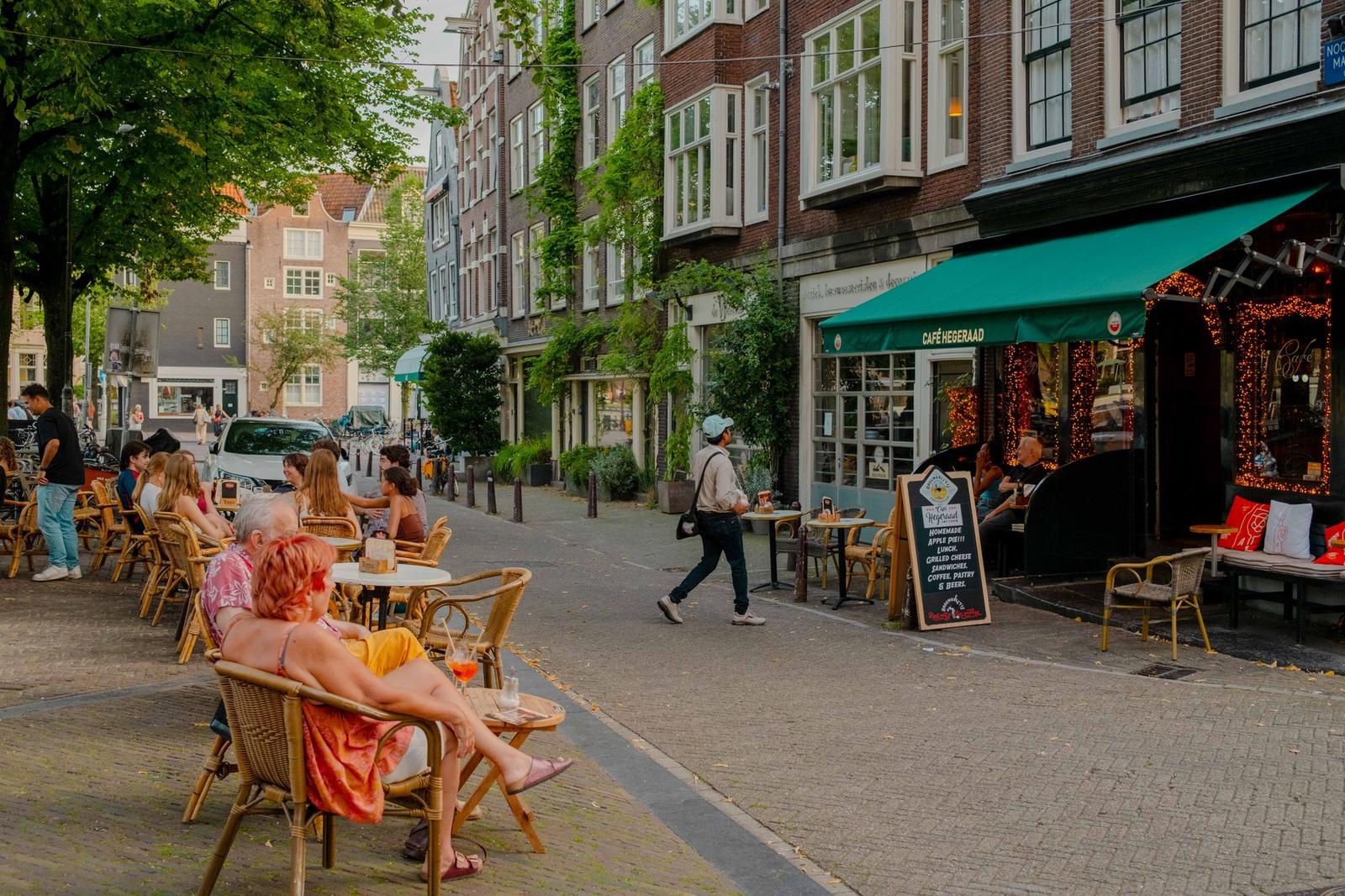
The transformation of De Pijp from a dense 19th-century working-class quarter into the gravitational center of Amsterdam's dining scene offers a stark contrast to the corporate-dominated restaurant corridors seen in major hubs like London or Manhattan. While other global cities often see heritage neighbourhoods hollowed out by high-rent chains, De Pijp maintains an eclectic, independent character that forces a conversation between its colonial history and contemporary culinary innovation.
A convergence of cultures on the plate
Stepping onto Gerard Douplein or wandering down the Ferdinand Bolstraat, the density of options reveals a specific Dutch approach to global influence. Unlike the rigid food districts of Paris or New York, the dining experience in De Pijp is defined by a lack of pretension that persists despite the neighbourhood’s rising profile. Establishments such as Restaurant Blauw-renowned for its focus on Indonesian Rijsttafel-and the bustling stalls of the Albert Cuypmarkt highlight a century of cultural exchange that feels distinctly anchored in local Amsterdam life rather than international trends.
This integration of the Albert Cuyp market into the daily routines of nearby restaurants creates a supply chain that keeps local commerce viable. Many chefs operating in the area source produce directly from the market vendors who have occupied the street since 1905. This proximity distinguishes the neighbourhood from cities where restaurants are increasingly distanced from their supply sources, relying instead on centralized distribution hubs.
The economics of a changing neighbourhood
Recent data from the Gemeente Amsterdam indicates that the number of registered food and beverage establishments in the Oud-Zuid district has remained robust, though the competitive pressure on independent operators has intensified. While specific rent figures fluctuate, local business associations have noted that small-scale entrepreneurs now navigate a landscape where balancing traditional hospitality with rising operational costs is the primary challenge for the coming year. The resilience of these businesses is often attributed to the high volume of foot traffic generated by the combination of local residents and the year-round activity at the Sarphatipark.
For those looking to navigate the area effectively, the best approach remains moving away from the main thoroughfares during peak weekend hours. Visitors should prioritize mid-week lunch services to experience the neighbourhood as it functions for local residents. Engaging with the smaller, owner-operated cafes tucked into the side streets off Ceintuurbaan offers a clearer view of the district's trajectory than the more prominent corners near the Heineken Experience. As the city continues to refine its zoning policies to protect small-scale retail, the ability of De Pijp to serve as both a historical record and a modern dining destination rests on maintaining this balance between accessibility and growth.