culture
Amsterdam's Museums Transform Four Centuries of Dutch Art and Culture
From canal-side cabinets to avant-garde spaces, Amsterdam’s art scene reflects centuries of cultural transformation.
How we reported this
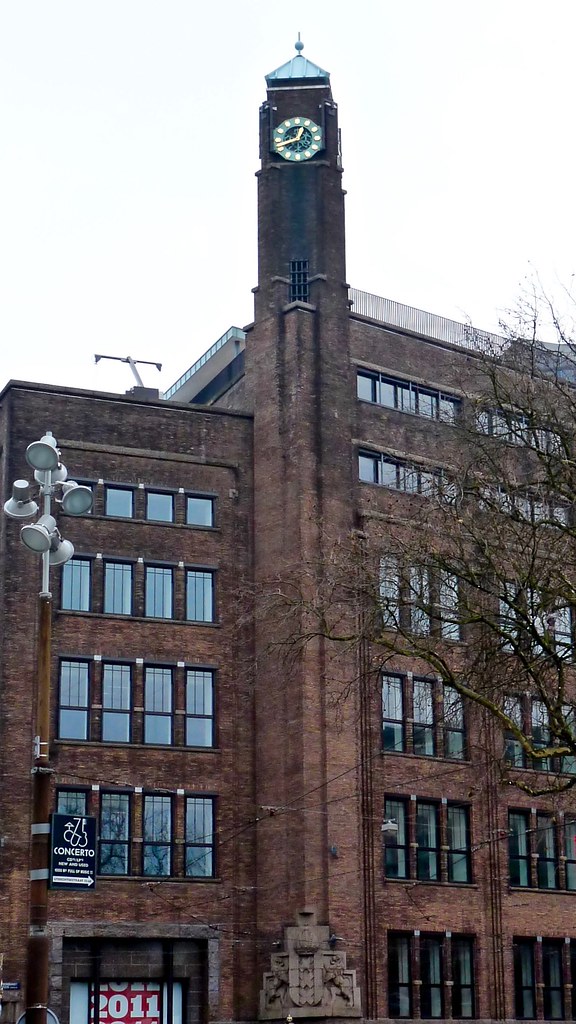
Amsterdam’s museum and gallery scene is celebrating its diverse history with a series of exhibitions and public talks marking a pivotal shift from traditional institutions to dynamic contemporary spaces. This evolution is highlighted by the announcement of the Rijksmuseum’s upcoming exhibition, “From Cabinet to Canvas,” set to open this autumn, which will trace the city’s artistic journey over the past 400 years.
The timing couldn’t be more suitable. In recent years, Amsterdam has seen a surge in art tourism, cultural investment, and a renewed focus on inclusive storytelling through museums and galleries. The sector, crucial to the city’s identity and economy, is undergoing changes that aim to engage a broader audience while preserving the legacy of its Golden Age and beyond.
Local Landmarks Anchoring Amsterdam’s Art Heritage
Two locations stand out in this narrative. The Rijksmuseum, located on Museumstraat in the city centre, remains a cornerstone, housing masterpieces from Rembrandt and Vermeer while expanding ways to interpret the collection for 21st-century visitors. Meanwhile, the EYE Filmmuseum on the north bank of the IJ river has emerged as a cutting-edge venue where film and visual arts converge, reflecting Amsterdam’s modern creative pulse.
Complementing these is the growing influence of neighbourhood galleries in Jordaan and De Pijp, which nurture emerging artists and experimental projects. Programs like Stroom Den Haag’s offshoots in these districts provide platforms for young talent and facilitate dialogue on cultural shifts. These spaces form part of Amsterdam’s intricate art ecosystem alongside established museums.
Data Underscoring an Expanding Cultural Landscape
According to the City of Amsterdam’s Culture Monitor 2025, museum attendance has risen by 7.8% over the last three years, with the total visitors exceeding 7 million annually. This growth is partly driven by expanded digital access and outreach initiatives, as well as increased international visibility following the 2025 European Capital of Culture bid.
Financially, the municipality has stepped up funding, with a 12% increase in cultural grants in the last fiscal year, allocating approximately €42 million to support art institutions, exhibitions, and public programming. Admission fees reflect a balance between accessibility and sustainability, with Rijksmuseum tickets priced at €20 and discounted options available for locals and students.
These statistics reveal a city deeply invested in the ongoing vitality of its art world while balancing economic realities with a commitment to open access and cultural preservation.
Looking ahead, visitors and locals can expect an enriching calendar of events culminating in the new Rijksmuseum exhibition and collaborative projects between museums and neighbourhood galleries. Those interested in exploring Amsterdam’s evolving art scene can also benefit from guided walks available through the Amsterdam Museum and independent cultural organizations, connecting historical landmarks with contemporary venues.
For residents and visitors alike, staying connected with museum newsletters and local art councils will ensure timely updates on openings, tours, and workshops. This blend of tradition and innovation continues to define Amsterdam’s position not just as a museum city, but as a vibrant, living gallery.