culture
Amsterdam's Hidden Workshops: Meet the Artisans Shaping the City
While tourists crowd the Dam Square, the city's real pulse beats in the converted industrial spaces of Noord and the backrooms of the Jordaan.
How we reported this
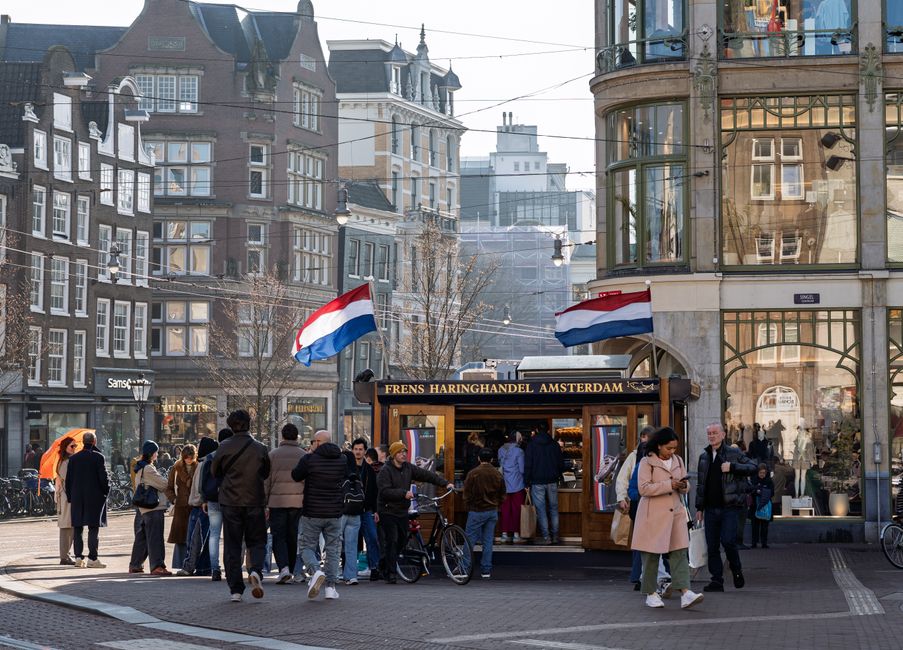
On this Saturday, July 5, 2026, the quiet alleys of the NDSM Wharf are humming with a specific kind of industry that has nothing to do with global shipping. Across Amsterdam, a growing coalition of independent designers and local craftspeople are opening their doors to offer a glimpse into the production lines that define the city’s modern aesthetic. This shift toward localized manufacturing comes at a time when mass-produced goods face increasing scrutiny from both environmental regulators and discerning urban consumers.
From Industrial Shells to Creative Hubs
The transformation of the NDSM Wharf from a derelict shipyard into a cultural engine was not an accident of the real estate market. Organizations like Stichting NDSM-werf have spent the last decade curating a delicate balance between experimental art and functional workspace. Today, visitors can walk through the IJ-hallen, where the focus has shifted from heavy steel welding to high-end textile prototyping and sustainable furniture design. These workshops serve as the nerve center for designers who refuse to outsource production to international hubs, choosing instead to keep their craft within the municipal boundaries of Amsterdam-Noord.
Further into the city center, the traditional ateliers tucked away in the Jordaan district have pivoted to accommodate small-batch digital fabrication. At the Openbare Bibliotheek Amsterdam (OBA) Oosterdok, recent archives indicate that the 'MakerSpace' program has seen a 22 percent increase in membership since January 2026. This data underscores a broader trend: citizens are moving away from passive consumption toward active creation, often utilizing high-precision tools previously reserved for university laboratories.
The Economics of Local Craft
Entering the workspace of a local designer today often involves navigating a landscape of recycled materials and 3D printers. Data from the Amsterdam Economic Board suggests that small-scale creative enterprises contributed approximately 4.8 billion euros to the regional economy in the previous fiscal year. Prices for bespoke items created in these spaces generally reflect the higher cost of living and labor in the Netherlands, with entry-level custom objects starting at 85 euros, according to current market listings at the Made in Amsterdam craft portal.
For those looking to engage with this scene today, the best approach is to skip the main canal corridors. Instead, head toward the industrial clusters near Cruquiusweg. Several of these workshops maintain public exhibition hours on Saturdays, allowing observers to see the raw materials-often sourced from city-run recycling centers-turned into functional items. If you plan to visit, check the latest listings on the Amsterdam Art Calendar website before departing, as many of these private studios operate on a 'by appointment' basis for deep-dives into their production methods.