culture
Grassroots Artists Reshape Amsterdam's Cultural Identity Across Neighborhoods
From the industrial transformation of Noord to the archival depth of the Museum Quarter, the city is reframing its cultural footprint.
How we reported this
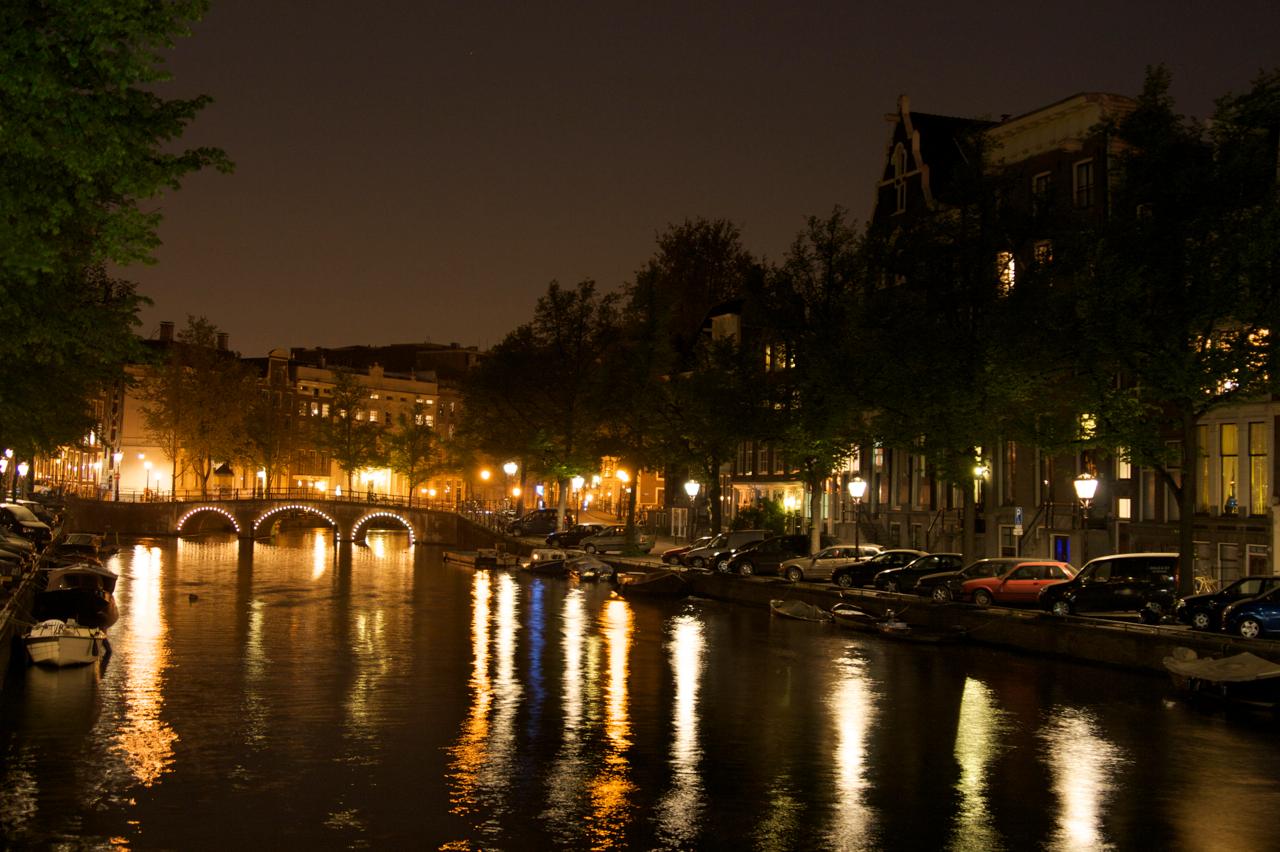
Amsterdam is currently shifting its cultural weight away from traditional tourism and toward a more localized, creator-driven identity. As the summer season hits its stride this July, the city’s creative pulse is most visible in the repurposing of industrial spaces and the expansion of community-led galleries that bypass the standard blockbuster exhibition model.
This shift matters because the city is actively trying to reconcile its status as a major global travel destination with the need to maintain an authentic resident experience. By prioritizing independent studios and decentralized art hubs, Amsterdam is signaling a move toward long-term cultural sustainability, ensuring that the creative class remains embedded in the city’s urban core rather than being priced out to the periphery.
The Rebirth of Noord and the Legacy of the Canal Ring
In Amsterdam-Noord, the ongoing transformation of the NDSM Wharf continues to serve as a laboratory for the city's artistic identity. The former shipyard now functions as an anchor for street art and experimental performance, distancing itself from the polished, historical aesthetic found in the Grachtengordel. Simultaneously, institutions like the Stedelijk Museum remain the bedrock of the city's formal art scene, yet even these established entities are pivoting, integrating more interactive, digitally-driven installations that reflect the interests of a younger, technically proficient demographic.
The cultural data supports this transition toward decentralized participation. According to official reports from the Amsterdam City Archives, the city has seen a steady rise in small-scale creative enterprise registrations throughout the post-pandemic years, with municipal funding programs specifically targeting neighborhood-level projects in districts like De Baarsjes and Oud-West. Tickets for these independent showcases often remain accessible, with many community-led gallery openings requiring no entry fee, while specialized exhibitions at major institutions maintain standard pricing structures consistent with European museum benchmarks.
Navigating the New Cultural Landscape
For those looking to engage with this evolving identity, the weekend calendar offers a clear view of the city’s priorities. Visitors should look toward the smaller, independent venues that cluster along the edges of the Singelgracht, where local collectives are increasingly hosting intimate, rotating exhibitions. These spaces are where the most immediate shifts in Amsterdam’s artistic consciousness are happening today.
Practical advice for the weekend ahead is to move beyond the central station hub and explore the studio complexes in the Houthavens or the repurposed warehouse districts of the North. By focusing on these specific micro-hubs, observers can track how the city is successfully marrying its architectural history with a future defined by creative autonomy and local production.