finance
Amsterdam Retail Market Trends: Premium Streets Strengthen While Shifts Demand New Strategies
Rising prime rents on select streets contrast with declines elsewhere as retailers adapt to changing mixes and sustainability requirements.
How we reported this
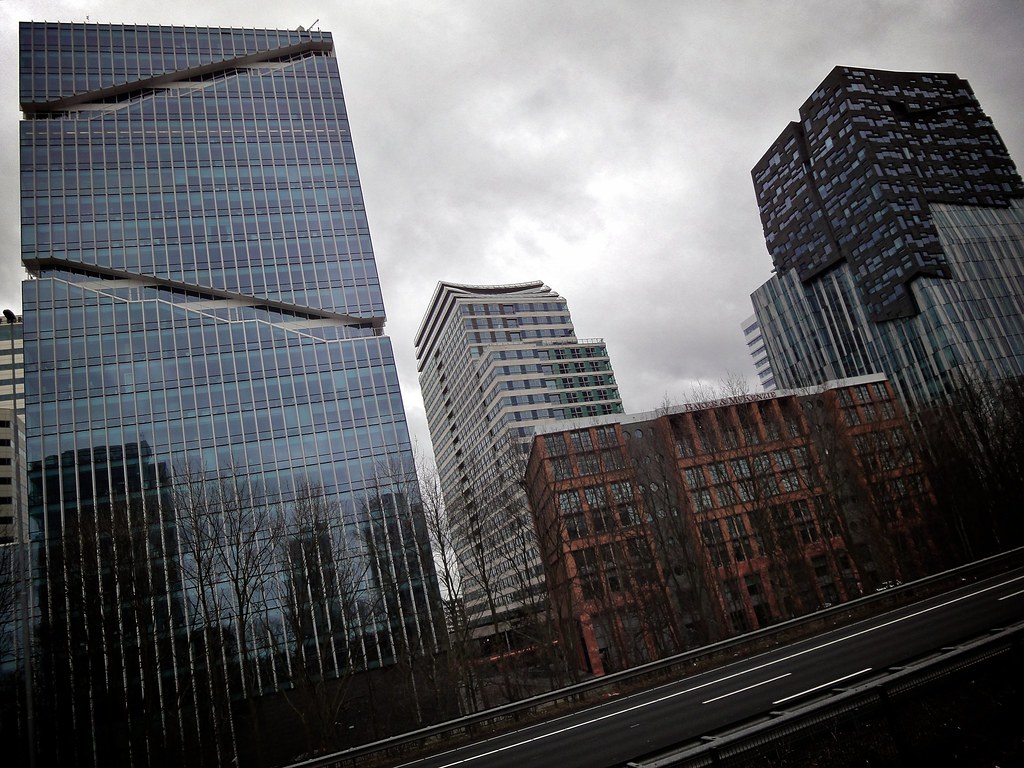
Premium retail streets including PC Hooftstraat and Van Baerlestraat are recording rising prime rents alongside low vacancy rates, while corridors such as Kalverstraat have experienced 20-35% rent declines since 2019.
The divergence stems from pandemic-era corrections that hit main high-street locations harder, prompting landlords and operators to rethink tenant mixes. Amsterdam remains the Netherlands' primary retail hub, with foreign retailers and major brands such as Zara and H&M continuing to select flagship or first-store locations here.
Retail Mix Moves Toward Mixed Use
The share of fashion and luxury outlets on monitored streets fell from 68% in 2019 to 61% in 2025, while food-and-beverage outlets rose from 7% to 9% and leisure uses increased from 10% to 13%. These changes are turning traditional shopping strips into mixed-use destinations that combine retail with dining and experiences. Grocery brand Marqt opened an experimental store at Gelderlandplein that incorporates a retrofitted secondhand greenhouse, a shipping-container cafe and up to 75% reclaimed materials.
Physical retail in the city is recovering toward pre-pandemic footfall levels, with vacancy rates below 6.6% and a trend toward larger, more experience-oriented stores. Dutch retail sales are projected to grow 4.5% in 2026, though the increase is driven mainly by inflation rather than higher volumes, and grocery volumes are expected to remain flat through 2030.
Omnichannel and Sustainability Become Essentials
Dutch retailers are rolling out omnichannel approaches that include AI-powered loyalty programs and repair or rental services, with examples at H&M and House of Rituals turning stores into lifestyle platforms. Sustainability measures have become standard: Kruidvat has introduced refill stations, HEMA sells vegan and microplastic-free lines, and new outlets emphasize eco-friendly packaging plus CO2-neutral delivery. Private labels now represent roughly 40% of European grocery sales and are being used for both innovation and customer loyalty.
Businesses evaluating Amsterdam locations should examine the performance gap between premium streets and traditional high streets, assess opportunities in food-and-beverage or leisure formats, and integrate omnichannel tools and verifiable sustainability features into store plans. Those steps align with the documented shifts in rents, tenant mix and operational priorities.
This article is general information only and is not personal financial or investment advice. Consider your own circumstances and seek licensed professional advice before making financial decisions.
References Sourced but Not Limited to:
- cbre.nl · The resilience of dutch prime shopping streets
- outlook.achmearealestate.nl · Retail
- euromonitor.com · Report
- trendhunter.com · Amsterdam supermarket
- storekeeper.com · Trends and insights the future of retail in the netherlands both...
- kvk.nl · These international trends are coming to your high street
- beneluxbaltics.com · What plma amsterdam 2026 revealed about the future of grocery retail
- eventbrite.com · Business