finance
Global Tensions Force Amsterdam Small Businesses To Adapt Operations
International conflicts and crises increasingly shape the operating landscape for local entrepreneurs in Amsterdam.
How we reported this
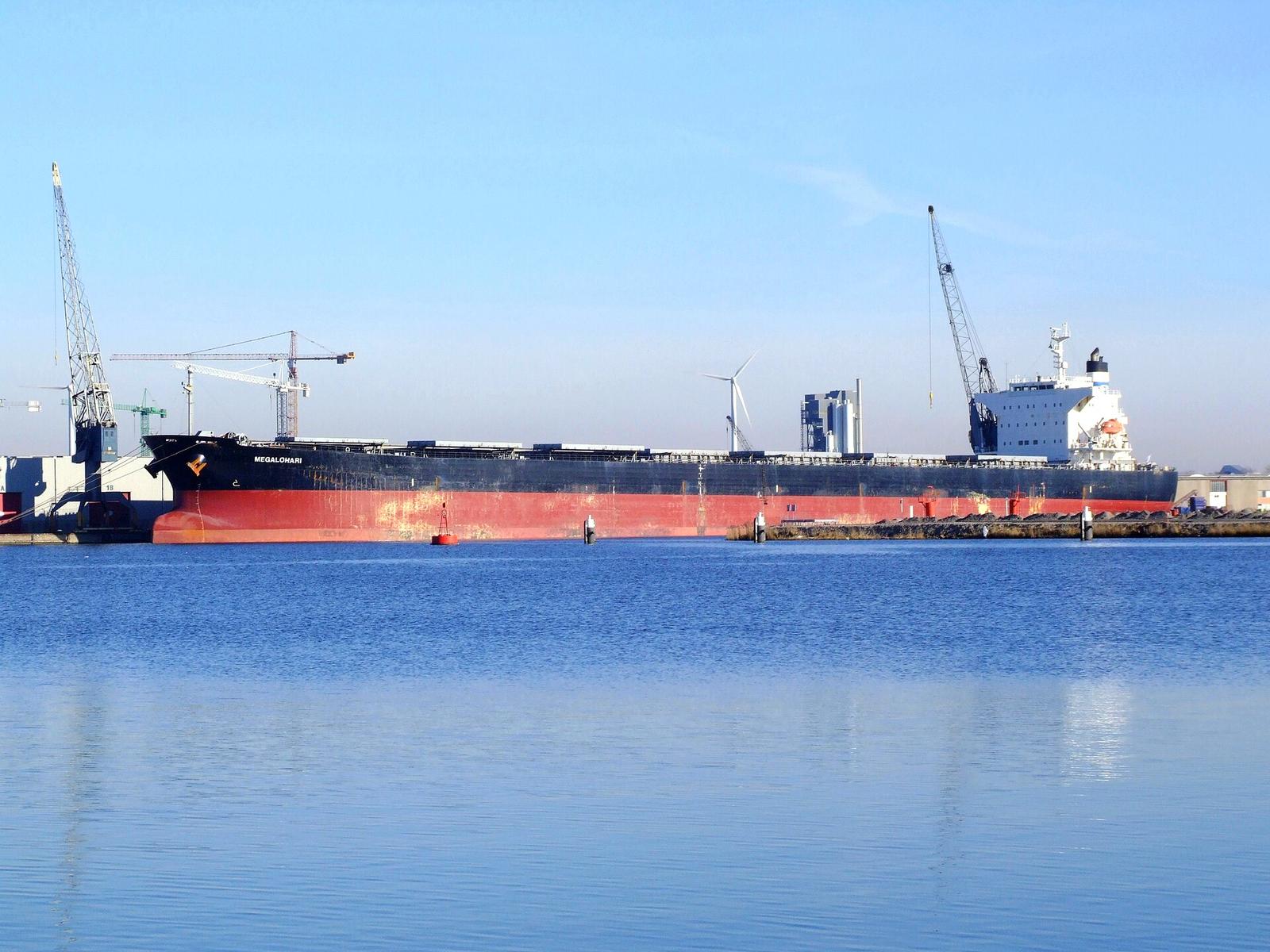
Amsterdam’s small businesses are feeling the effects of escalating global turmoil, with recent geopolitical clashes and crises abroad influencing supply chains, costs, and customer confidence in the city’s commercial sectors.
Why Global Events Matter Now
Recent violence in critical regions such as the Strait of Hormuz-where the US and Iran have exchanged military strikes-has underscored the fragility of global supply routes essential to Dutch trade. As Amsterdam depends heavily on international imports and exports, interruptions at chokepoints raise costs and delay deliveries to local enterprises. Although no direct trade stoppages have been reported, uncertainties ripple through business planning and pricing strategies.
Concurrently, broader international stresses like political instability and sudden crises affect consumer sentiment locally. For example, continued civil unrest and natural disasters overseas, including wildfires in parts of Europe, have drawn global attention and shifted economic priorities, potentially damping entrepreneurial optimism and spending patterns in Amsterdam districts.
Local Impact on Amsterdam’s Entrepreneurs
Small business operators in well-known districts such as De Pijp and Jordaan report challenges linked to unpredictable supply chain timings and fluctuating costs for imported goods, crucial for sectors like specialty retail and hospitality. Organizations that support startups and micro-businesses in Amsterdam, including local chambers of commerce, are advising their members to reassess risk exposure amid these international uncertainties.
Though no specific statistics from Amsterdam are currently available, the qualitative picture indicates rising operational stress. Business owners nearby major transportation hubs-the Port of Amsterdam and Schiphol Airport-are particularly vigilant as they monitor the ongoing U.S.-Iran engagement near the Strait of Hormuz. The port is a pivotal point for goods flow into Amsterdam, and any disruption in maritime shipping lanes translates into tangible bottlenecks at the docks, impacting when products reach storefronts.
Looking Ahead for Small Businesses
Moving forward, Amsterdam’s small businesses will need to focus on diversification and flexibility in their supply chains to mitigate risk. Trusted local supplier networks, closer sourcing partnerships within the European Union, and digital technology adoption for inventory and demand management are practical steps suggested by business groups to weather uncertain external factors.
While the city itself remains peaceful and stable, the global environment’s volatility underscores that no city is insulated in today’s interconnected economy. Entrepreneurs in Amsterdam are advised to stay informed on overseas developments and engage with local support networks for strategic guidance in this evolving context.
This article is general information only and is not personal financial or investment advice. Consider your own circumstances and seek licensed professional advice before making financial decisions.